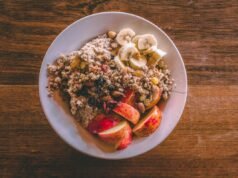









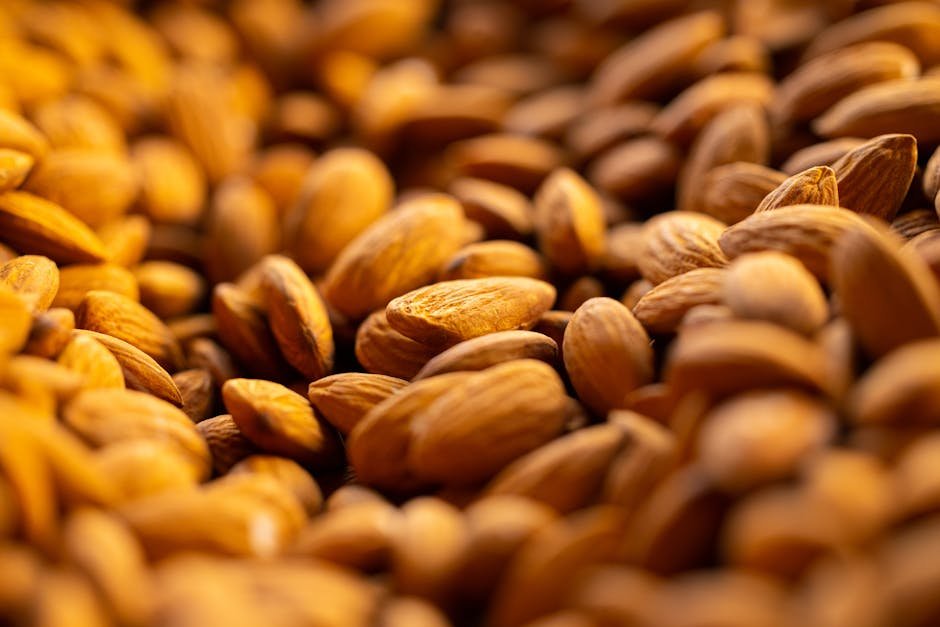
Macronutrients are the big three nutrients that make up most of the food you eat: protein, carbohydrates, and fats. They provide energy (calories), but they do far more than “fuel” you. Protein supplies building blocks for tissue repair, carbs help power your brain and training sessions, and fats support hormones, cell membranes, and vitamin absorption. If you’ve ever felt overwhelmed by nutrition advice online, learning macros is one of the simplest ways to bring structure back to eating.
What macronutrients do (beyond calories)
Calories matter for weight change, but the type of calories influences how you feel and perform. The same calorie total can produce very different outcomes in hunger, energy levels, workout recovery, and even how easy it is to stay consistent. Macronutrients affect:
- Satiety: how full you feel after eating
- Energy stability: whether you crash or stay steady
- Body composition: maintaining muscle while managing fat
- Hormones and recovery: especially during stress or intense training
Protein: the structure and recovery macronutrient
Protein is made of amino acids. Your body uses them to build muscle, repair tissue, create enzymes, transport nutrients, and support your immune system. Protein is also highly satiating, which is why most people feel more “in control” of appetite when meals include enough protein.
How much protein is “enough”?
There isn’t one universal number. Needs vary by body size, activity, and goals. In practice, many people benefit from including a solid protein source in each meal (and sometimes a protein-based snack). If your goal is muscle gain or fat loss while preserving muscle, you may aim higher than the minimum recommended amount.
High-quality protein sources
- Animal-based: eggs, Greek yogurt, chicken, turkey, fish, lean beef
- Plant-based: tofu, tempeh, lentils, beans, edamame, quinoa, nuts and seeds
Plant-based eaters can still meet protein goals by combining different sources across the day and choosing higher-protein staples like tofu, lentils, and soy yogurt.
Carbohydrates: the preferred energy macronutrient
Carbohydrates are broken down into glucose, your body’s preferred fuel—especially for the brain and for high-intensity movement. Carbs are not automatically “fattening.” The real issue is that many diets are carb-heavy and low in fiber, which can make it easier to overeat and can lead to energy crashes.
Best carb sources for health and performance
- Oats, brown rice, quinoa, whole-grain breads and pasta
- Beans and lentils (carbs + fiber + plant protein)
- Fruits and vegetables
- Potatoes and sweet potatoes
Fiber is a key reason these foods work so well. It slows digestion, supports gut health, improves blood sugar stability, and helps you feel full.
Fats: essential for hormones, brain function, and vitamins
Dietary fat supports hormone production, brain health, healthy skin, and absorption of vitamins A, D, E, and K. It also makes meals more satisfying. The goal is to emphasize fats that support heart health while keeping highly processed fats to a minimum.
Types of dietary fat
- Unsaturated fats: olive oil, avocados, nuts, seeds, fatty fish
- Saturated fats: butter, cheese, fatty cuts of meat (fine in moderation)
- Trans fats: avoid as much as possible (often in some ultra-processed foods)
A simple way to balance macros at meals
You don’t need to track every gram to eat balanced. A practical “plate method” works for most people:
- Protein: a palm-sized portion
- Vegetables or fruit: at least half the plate when possible
- Carbs: a fist-sized portion of whole-food carbs (adjust based on activity)
- Fat: a thumb-sized portion of healthy fat (or naturally occurring fat in the protein)
Example balanced meals
- Salmon + roasted potatoes + salad with olive oil
- Chicken bowl with rice, beans, veggies, and avocado
- Tofu stir-fry with quinoa and mixed vegetables
Common macro myths
Myth: “Carbs make you gain weight.”
Reality: A calorie surplus drives weight gain; carb quality affects hunger and energy.
Myth: “Fat is bad.”
Reality: Healthy fats are essential; the type of fat matters.
Myth: “More protein is always better.”
Reality: Protein is important, but balance and total diet quality still matter.
Quick FAQ
Do I need to track macros?
Not necessarily. Tracking can help you learn portion sizes and patterns, but you can also improve results using consistent meal structure, protein at each meal, high-fiber carbs, and healthy fats.
What if I feel tired on a low-carb diet?
Some people adapt, but others feel better with more carbs—especially if training hard. Try increasing carbs from whole-food sources (oats, potatoes, fruit) and monitor energy and mood.
Can I lose weight while eating all three macros?
Yes. Sustainable weight loss usually works best when meals are satisfying. Adequate protein + fiber-rich carbs + healthy fats can make it easier to maintain a calorie deficit without feeling miserable.
Bottom line: Learning macronutrients isn’t about strict rules. It’s about understanding how food affects your energy, appetite, and recovery, then building a routine you can actually follow.