







Understanding Very Low-Calorie Diets (VLCD)
A Very Low-Calorie Diet (VLCD) is a dietary regimen that significantly restricts caloric intake, typically to around 800 calories per day or less. This limited caloric intake is substantially lower than what is usually recommended for weight maintenance, which is often in the range of 1,800 to 2,400 calories per day for adults. The primary goal of a VLCD is to facilitate rapid weight loss, particularly for individuals who are severely overweight or obese and might benefit from a more aggressive dietary approach.
What distinguishes a VLCD from other dieting methods is the extent of calorie restriction, not merely minor adjustments to regular food intake. While traditional diets may recommend gradual caloric reduction and encourage food rebalancing, VLCDs allow individuals to lose a significant amount of weight in a relatively short period. On a VLCD, individuals may achieve weight loss ranging from 3 to 5 pounds (1.5 to 2 kg) per week, making it an appealing option for those seeking quick results.
The science behind VLCDs centers on inducing a state of ketosis, where the body begins to utilize fat stores for energy when carbohydrate intake is severely limited. Many VLCDs incorporate meal replacements, such as specially formulated shakes, soups, bars, and other dietary products, to ensure that macro and micronutrient needs are met despite the dramatic decrease in calorie consumption. This structured approach not only aids in weight loss but also minimizes potential nutrient deficiencies associated with traditional very low-calorie diets.
As individuals consider this option for weight loss, it is essential to recognize the importance of working under medical supervision, as VLCDs can pose health risks if not properly managed. They should be tailored to an individual’s health profile and monitored by healthcare professionals to promote safe and effective outcomes.
Expected Weight Loss: 3 to 5 lbs per Week
When following a very low-calorie diet (VLCD), individuals can realistically expect to lose between 3 to 5 lbs (1.5 to 2 kg) per week. This notable weight loss is primarily due to the significant reduction in caloric intake. On a VLCD, caloric consumption may fall to as low as 800 calories per day, which accelerates the body’s fat-burning processes. However, it is important to recognize that weight loss experiences may vary according to individual metabolism, dietary adherence, and other factors.
The basal metabolic rate (BMR) of an individual plays a critical role in determining how quickly they can lose weight on a VLCD. BMR refers to the number of calories the body requires to maintain basic physiological functions at rest. Those with a higher BMR typically experience more rapid weight loss, while individuals with a lower BMR may see slower results.
Another factor influencing weight loss is adherence to the VLCD. Strict compliance with diet guidelines, which often include meal replacements such as formulas, soups, shakes, and bars, can lead to consistent weight loss. Meal replacements help ensure that daily nutrient needs are met, supporting overall health while on a restrictive diet. However, deviations from the prescribed caloric limits or failure to use meal substitutions effectively can hinder weight loss progress.
In addition, psychological factors, such as motivation and emotional well-being, can significantly impact an individual’s ability to maintain a VLCD. Those who are more committed to their weight loss goals and have established a strong support system may find it easier to adhere to the diet, thus enhancing their weight loss success. Ultimately, while the potential to lose 3 to 5 lbs in a week is achievable, individual circumstances will dictate the actual results experienced.
Components of a VLCD: Meal Replacements Explained
A very low-calorie diet (VLCD) is designed to help individuals achieve rapid weight loss, often targeting a loss of 3 to 5 lbs (1.5 to 2 kg) in a week. One of the essential components of a VLCD is the use of meal replacements, which may include shakes, soups, and bars. These products are specifically formulated to provide essential nutrients while significantly reducing caloric intake.
Meal replacements in a VLCD typically contain a balance of proteins, carbohydrates, fats, vitamins, and minerals. This balance is crucial because, on a VLCD, individuals may consume as few as 800 calories a day, making it imperative to ensure proper nutrition. For instance, meal replacement shakes vary in flavors and compositions, and they often have added vitamins and minerals to help cover daily nutritional needs.
Soups, as another form of meal replacement, offer a savory alternative to shakes and can be quite satisfying, particularly for those who prefer a warm meal. These are designed not only to provide essential nutrients but also to deliver a feeling of fullness, which can help manage cravings and promote adherence to the diet. Bars are yet another convenient option, allowing for easy portability and straightforward consumption. They are often rich in fiber and protein, which help to keep hunger at bay throughout the day.
While using meal replacements, individuals must ensure they are consuming them as a full substitute for traditional meals, rather than as an addition. This approach helps maintain the very low-calorie intake necessary for effective and rapid weight loss, which is crucial when considering how to lose 5 lbs in a week. The structured nature of a VLCD with meal replacements contributes significantly to overall success, as it simplifies meal planning and helps keep dieters on track.
Nutritional Considerations: What You Need to Know
When embarking on a very low-calorie diet (VLCD) aimed at how to lose 5 lbs in a week, understanding the nutritional framework is crucial for maintaining health during this period of caloric restriction. A VLCD typically involves consuming as few as 800 calories daily and may result in a weight loss of approximately 3 to 5 lbs (1.5 to 2 kg) per week. However, these diets can lead to nutritional deficiencies if not properly managed, due to the significant reduction in calorie intake.
To ensure optimal health while following a VLCD, individuals should focus on balanced intake of essential nutrients. Key nutrients to monitor include protein, vitamins, minerals, and fiber. Protein is vital for preserving lean muscle mass while losing weight. Ideally, a VLCD should include sources of high-quality protein, such as lean meats, fish, dairy, or plant-based proteins, to meet daily needs.
Vitamins and minerals, including B vitamins, potassium, and magnesium, are crucial for metabolic processes and overall well-being, especially when calorie intake is limited. Supplementation may be necessary to meet daily requirements as most VLCDs utilize meal replacements such as shakes, soups, and bars designed to provide essential nutrients.
Additionally, attention should be paid to fiber intake, which is often lacking in low-calorie diets. Incorporating fiber-rich sources, like vegetables, into meals can enhance satiety and aid digestive health. While following a VLCD, individuals must ensure they are not only minimizing calorie intake but also optimizing the nutritional quality of the food consumed. This focus on nutrient-dense options can significantly mitigate the risk of deficiencies and support overall health during the weight loss journey.
Safety and Potential Risks of VLCDs
Following a very low-calorie diet (VLCD) can be an effective approach for individuals who want to know how to lose 5 lbs in a week quickly. However, it is essential to recognize the safety implications and potential risks associated with such drastic caloric restriction. A VLCD typically involves consuming as little as 800 calories per day, generally resulting in a rapid weight loss of 3 to 5 pounds (1.5 to 2 kg) weekly. While this may seem appealing, short-term weight loss should always be weighed against long-term health considerations.
One of the significant risks of adhering to a VLCD is nutritional deficiencies. As regular meals are replaced with meal replacements such as shakes, soups, or bars, achieving a balanced intake of essential vitamins and minerals can be challenging. For individuals with specific nutritional needs, such as those with pre-existing health conditions, consulting with a healthcare provider before starting a VLCD is crucial. This step ensures that their dietary restrictions and nutritional requirements are adequately addressed.
Moreover, VLCDs may not be suitable for everyone. Individuals with a history of eating disorders, metabolic disorders, or those who are pregnant or breastfeeding should avoid VLCDs. Additionally, those taking medications or those with chronic illnesses must consult a healthcare professional to evaluate their overall health and determine if such a diet is a safe option.
Long-term adherence to a VLCD can result in several adverse effects, including fatigue, dizziness, and the potential for increased risk of gallstones, muscle loss, or metabolic slowdown. Therefore, while the prospect of losing weight quickly can be tempting, it is vital to consider these factors and prioritize a balanced and sustainable approach to weight management. A thorough discussion with a healthcare provider can help ensure that individuals are well-informed about not only the potential weight loss benefits but also the associated risks involved in following a very low-calorie diet.
Tips for Successfully Following a VLCD
Adhering to a very low-calorie diet (VLCD) can be challenging, yet it can also be an effective strategy for those looking to lose weight rapidly, specifically for individuals seeking to understand how to lose 5 lbs in a week? Here are some useful tips and strategies to help you succeed.
First and foremost, meal preparation is key. Planning your meals in advance enables you to ensure that you are consuming the right balance of nutrients while adhering to the calorie limits of a very low-calorie diet. As most VLCDs recommend consuming around 800 calories a day, it is important to incorporate meal replacements such as shakes, soups, and bars which are designed to provide essential vitamins and minerals. This strategy supports your nutritional needs while keeping your calorie intake low.
Dealing with cravings can be another significant hurdle. To combat this, consider keeping healthy, low-calorie snacks on hand, such as cut vegetables or broth-based soups, which will help occupy your time and manage hunger pangs. Additionally, staying hydrated by drinking plenty of water can help stave off hunger and maintain satiety throughout the day.
Motivation is essential when undergoing a VLCD. Setting measurable goals will keep you engaged in the process. For instance, track your weekly weight loss progress and celebrate every little success. Joining a support group or enlisting a friend in your weight loss journey can also provide a sense of accountability and encouragement.
Finally, it is crucial to listen to your body. If you find that you are feeling excessively hungry or unwell, consult with a healthcare professional. Remember that a very low-calorie diet, while effective, should be approached with caution and under proper guidance to ensure a safe and healthy experience.
Monitoring Your Progress: Tracking Weight Loss Effectively
When embarking on a very low-calorie diet (VLCD), tracking your progress becomes a crucial component of achieving your weight loss goals. Understanding how to lose 5 lbs in a week requires not only dietary commitment but also effective monitoring techniques to evaluate your success. One common method is to regularly weigh yourself; however, it is important to do so under consistent conditions, such as early morning and before eating or drinking. This can provide a more accurate reflection of your progress on a VLCD.
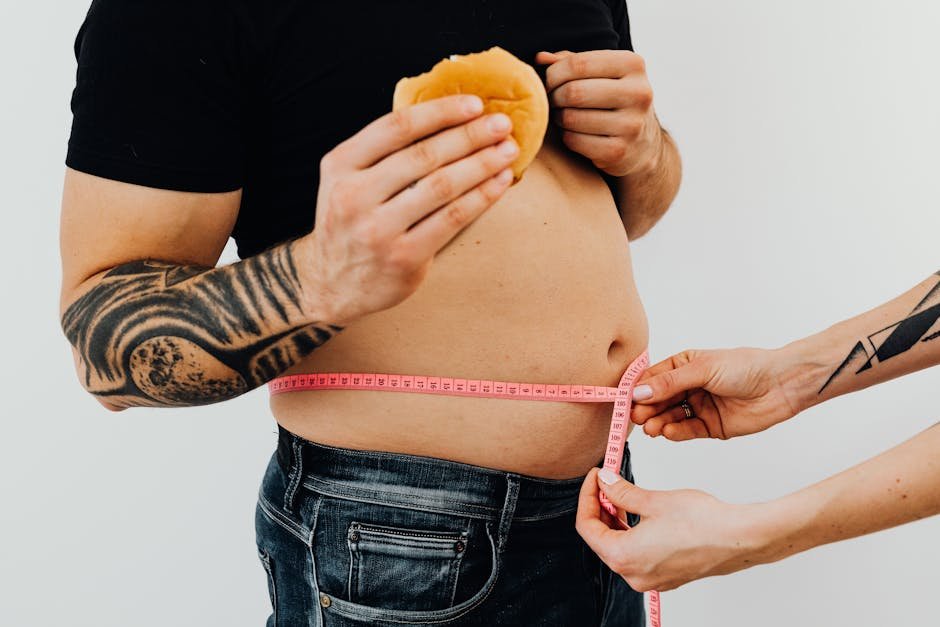
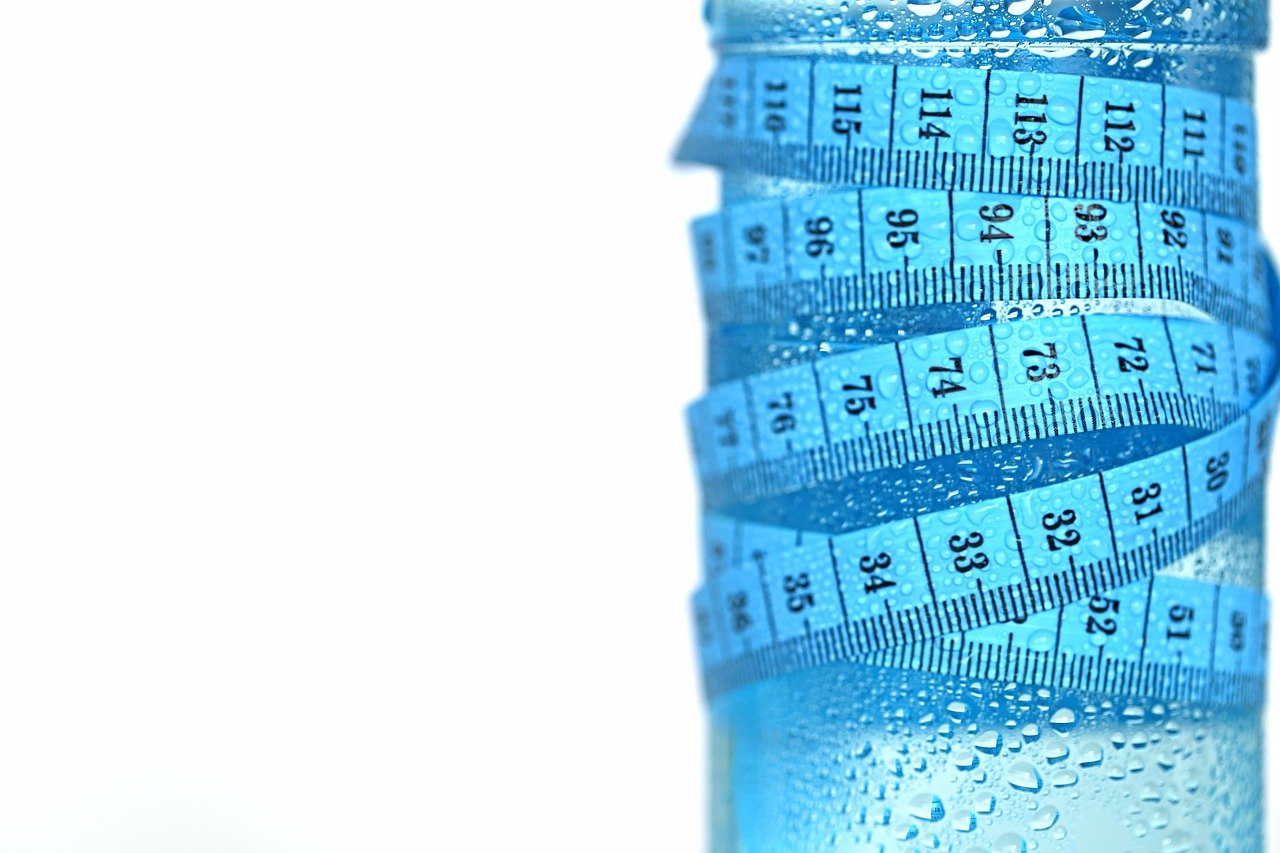
Besides weighing yourself, it is advisable to take body measurements at key areas such as your waist, hips, and thighs. These measurements can often reveal changes that the scale may not reflect immediately, particularly during the initial stages of a VLCD. It is common for weight loss to include fluctuations due to water retention, muscle gain, or normal body processes, which makes body measurements a helpful complement to weight data.
As you follow your very low-calorie diet (VLCD), it is also wise to recognize non-scale victories. These are progress indicators that may include feeling more energetic, fitting into clothes more comfortably, or increased stamina in daily activities. Celebrating these achievements can provide motivation and reinforce the positive changes you are making. Apart from physical measurements, documenting your feelings and experiences during the diet can serve as valuable feedback and encouragement.
Incorporating a journal or an app to keep track of your meals, water intake, and progress can also be beneficial. Regularly reflecting on these metrics allows you to adjust and enhance your plan where necessary. Ultimately, effective monitoring of your weight loss journey on a VLCD is about finding a balance between quantitative measures, such as weight and measurements, and qualitative assessments like mood and energy levels, helping you understand the full scope of your health journey.
Post-VLCD Transition: Maintaining Weight Loss
Successfully completing a very low-calorie diet (VLCD) marks a significant achievement for those seeking to lose weight quickly. However, the crucial phase that follows this dietary approach is the post-VLCD transition, which plays a pivotal role in maintaining the weight loss achieved. The transition period requires careful planning and strategy to avoid the common pitfalls of rapid weight regain.
Initially, it is important to gradually reintroduce regular foods into your diet, rather than abruptly returning to previous eating habits. This helps your body adapt to the increased calorie intake while minimizing the risk of excessive weight gain. Begin by incorporating small portions of nutritious foods, such as fruits, vegetables, and whole grains, while monitoring your body’s response. This ensures that you are able to identify any intolerances or adverse reactions to certain foods.
In addition, maintaining the results of your efforts involves a commitment to sustainable eating patterns. Consider adopting a balanced diet that prioritizes whole foods over processed options, focusing on moderation rather than deprivation. Transitioning from a very low-calorie diet should not translate into returning to harmful eating habits. Instead, aim to establish a lifestyle that promotes health and well-being.
Physical activity is another essential component of sustaining weight loss after a VLCD. Incorporating regular exercise, whether through cardiovascular workouts or strength training, will help maintain muscle mass and support metabolism. It is advisable to develop a consistent routine that you enjoy, making it more likely that you will stick with it over time.
To sum up, successfully transitioning off a VLCD involves careful planning and a focus on both dietary habits and physical activity. Gradually reintroducing foods while adopting a sustainable eating approach, along with maintaining an active lifestyle, will significantly increase the likelihood of keeping the weight off long-term.
Conclusion: Is a VLCD Right for You?
Considering whether a very low-calorie diet (VLCD) is suitable for your weight loss journey can depend on various individual health factors and weight loss objectives. This approach can provide rapid results, with the potential to lose up to 5 lbs in a week. However, it is crucial to understand the implications of this rapid weight loss, as well as the dietary restrictions associated with VLCDs.
Throughout this guide, we have explored what a VLCD involves, detailing how it typically consists of meal replacements like shakes, bars, and soups, and can limit daily caloric intake to as low as 800 calories. This significant caloric deficit can lead to considerable weight loss in a short period, appealing to many who are looking to shed excess pounds quickly. However, the sustainability of such a diet must also be evaluated.
While VLCDs can ensure that individuals receive necessary nutrients, they may not be right for everyone. Factors such as underlying health conditions, nutritional needs, and lifestyle preferences should be carefully considered before starting a VLCD. Consulting healthcare professionals is advisable, as they can provide personalized guidance tailored to your health status and goals.
Ultimately, knowing how to lose 5 lbs in a week effectively is only part of the journey. Assessing whether the methods you choose align with your long-term health and lifestyle is essential. The effectiveness of a VLCD can vary, and it is vital to approach this dietary option with caution, balancing quick weight loss with the need for overall well-being. If you believe a VLCD may suit your weight loss strategy, begin by consulting with a qualified expert to discuss your plan and monitor your progress.