








Introduction to Fat Loss Patterns
Understanding fat loss is a nuanced endeavor, as it is widely recognized that fat is not lost uniformly across the body. Instead, specific body parts lose fat at different rates, which can often lead to the perception that individual experiences of fat loss vary significantly. Most people lose fat from their face, neck, and upper body before observing changes in more resistant areas such as the stomach, hips, and thighs. This sequence of fat loss is largely influenced by genetic and hormonal factors, which determine the distribution of fat throughout an individual’s body.
The process of fat loss generally involves creating a calorie deficit, meaning that the number of calories expended exceeds the number consumed. This deficit can be achieved through a combination of dietary adjustments and increased physical activity. However, while creating this caloric imbalance is essential, it is important to understand that one cannot significantly alter the specific order in which fat is lost from various body parts. Therefore, recognizing the body’s natural fat loss patterns becomes crucial for individuals striving for effective fat management.
Research indicates that the distribution of fat loss is not solely a matter of personal effort but is influenced by various physiological mechanisms, including metabolism, genetics, and hormonal balance. Often, those embarking on a fat loss journey may become frustrated by the areas from which fat is lost, typically observing results in the face and upper body before the more stubborn regions. Bringing awareness to these natural patterns offers a more realistic perspective on the expectations during a fat loss regimen.
The Science of Fat Loss
Understanding the biological mechanisms of fat loss is essential to grasp how and why fat is lost from specific areas of the body at different rates. Biologically, fat is stored in adipose tissues, which serve as energy reserves that the body taps into during caloric deficits. The process of fat metabolism is determined by several interrelated factors, including genetics, hormones, and overall metabolism.
Genetics plays a significant role in dictating where fat is preferentially lost. Individuals may observe that most people lose fat from their face, neck, and upper body before their stomach, hips, and thighs. This variance means one person’s fat loss pattern may significantly differ from another’s, suggesting a genetic predisposition that influences fat distribution and loss.
Hormones further complicate fat loss dynamics. Hormonal balances, particularly insulin, cortisol, and sex hormones, impact how and where fat is stored and mobilized. For instance, excess cortisol, often termed the stress hormone, can lead to increased fat retention in the abdominal area. Conversely, adequate levels of growth hormones and sex hormones promote the breakdown of stored fat.
Metabolism also affects fat loss. An individual’s Basal Metabolic Rate (BMR)—the rate at which the body burns calories at rest—plays a crucial role in overall fat loss efficiency. If one maintains a calorie deficit through diet and exercise, regardless of genetic predisposition, it can lead to enhanced fat loss across various body areas, although the sequence of loss may not change.
Overall, while you cannot change the order in which your body loses fat, understanding these biological aspects can aid in developing a comprehensive fat loss strategy that enhances overall effectiveness.
Common Body Areas for Initial Fat Loss
Understanding the process of fat loss involves recognizing the sequence in which body parts typically lose fat. Many individuals have observed that they tend to lose fat in specific areas before others. Primarily, most people lose fat from their face, neck, and upper body before they see significant changes in their stomach, hips, and thighs. This phenomenon can lead to variations in individual experiences and perceptions during their fitness journeys.
Initially, fat loss may manifest visibly through changes in the contours of the face and neck. As these areas shed fat, facial features can become more defined, and the jawline may appear sharper. This change is often encouraging for individuals, as improvements in the appearance of the face can significantly influence self-esteem and motivation.
Following the face and neck, the upper body becomes the next area where fat loss is frequently recognized. Individuals might notice their clothes fitting differently as they experience a reduction in size around the arms, chest, and shoulders. This change can further motivate one’s efforts in maintaining a healthy diet and exercise routine.
It is important to understand that while individuals cannot alter the specific order in which they lose fat, they can enhance the overall process. Achieving a calorie deficit through a balanced diet and regular physical activity can speed up the fat-loss journey. Therefore, incorporating a holistic approach that combines nutrition and fitness is essential for those looking to optimize their fat loss.
Understanding Body Composition and Genetics
Fat loss is a highly individual journey influenced by a variety of factors, chief among them being body composition and genetics. Each person has a unique genetic predisposition that determines how fat is distributed throughout the body and how it is lost. This leads to some common patterns observed in fat loss, notably that most people lose fat from their face, neck, and upper body before seeing any changes in areas like the stomach, hips, and thighs.
The reason for this variation largely stems from the body’s physiological makeup. Individuals have different amounts of subcutaneous and visceral fat. Subcutaneous fat, located just beneath the skin, is usually the first to be lost. In contrast, visceral fat, which surrounds internal organs, tends to be more resistant and is often shed later during the fat loss process. It is crucial to understand that the body’s fat distribution and loss pattern is a result of genetics, making it impossible to change the order in which fat is lost.
Moreover, hormonal influences play a significant role in fat distribution and loss. Hormones such as insulin, cortisol, and estrogen can affect how and where fat is stored in the body. For instance, individuals with higher levels of estrogen may find that they hold more fat in their hips and thighs, while those with higher testosterone levels may store fat in their abdominal area.
Despite these genetic and hormonal factors, it is possible to enhance your fat loss journey. Creating a calorie deficit through a balanced diet and a structured exercise regime can help expedite the fat loss process overall. While one cannot dictate which body part loses fat first, a consistent approach to health and wellness can lead to effective weight management and improved body composition over time.
The Role of Diet in Fat Loss
The process of fat loss is significantly influenced by dietary choices, particularly through the establishment of a calorie deficit. Understanding how to achieve this deficit is crucial for those seeking to enhance fat loss effectively. When one consumes fewer calories than the body expends, the body is compelled to utilize stored fat as an energy source, ultimately leading to fat loss.
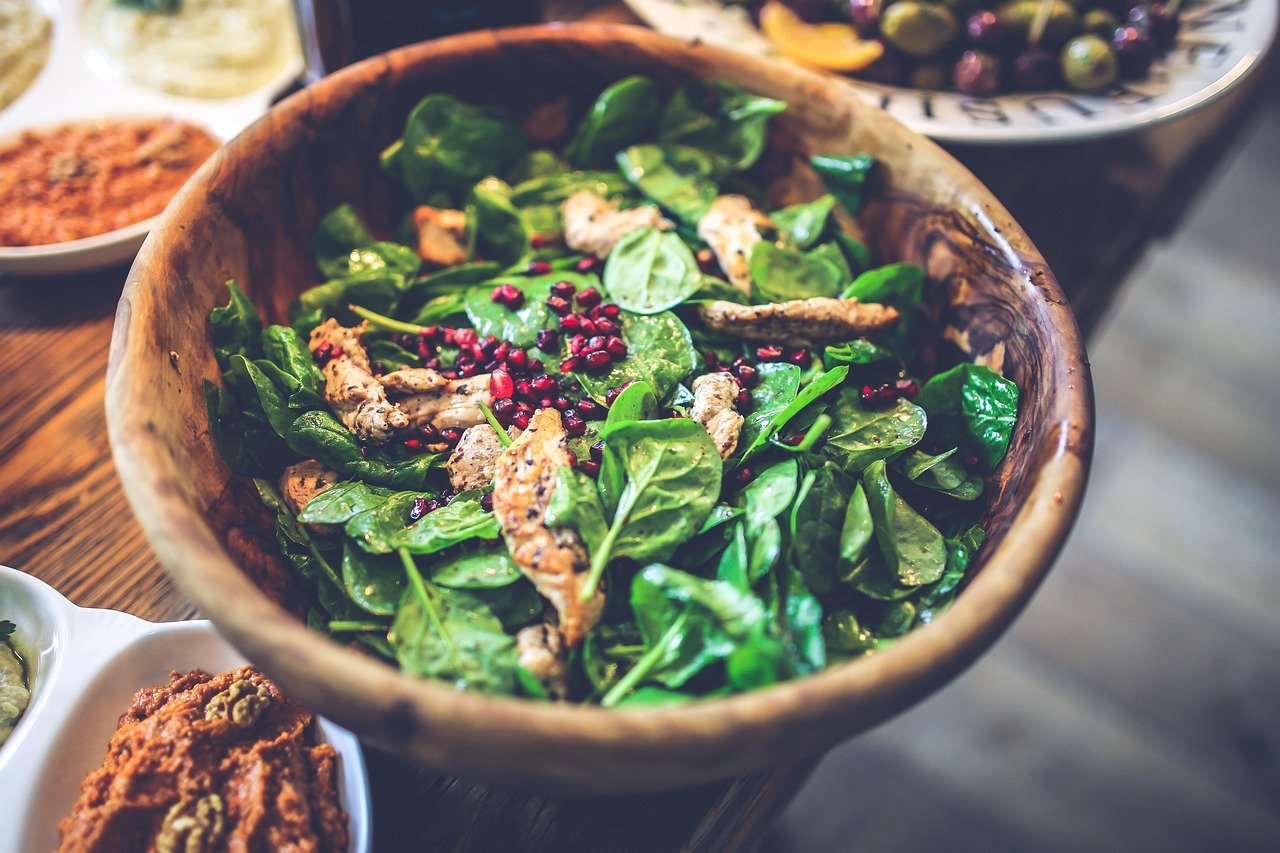
Different dietary strategies can be employed to facilitate this calorie deficit. For instance, incorporating whole foods, such as fruits, vegetables, lean proteins, and whole grains, fosters a feeling of satiety while providing essential nutrients. These foods are typically lower in calories and can be more satisfying than processed options, which often contain added sugars and unhealthy fats.
In addition to choosing nutrient-dense foods, it is essential to monitor portion sizes. Even healthy foods can contribute to weight gain if consumed in excessive amounts. Tools such as food diaries or nutrition tracking apps can help individuals gauge their intake, thereby encouraging mindful eating habits.
Moreover, hydration plays a pivotal role in fat loss. Sometimes, the body can misinterpret thirst for hunger, leading to unnecessary calorie consumption. Drinking ample water throughout the day may reduce this risk and assist in maintaining metabolic functions, even accelerating fat loss.
Finally, while one cannot change which body part loses fat first—most people lose fat from their face, neck, and upper body before their stomach, hips, and thighs—optimizing dietary practices can help speed up the overall process. By focusing on creating a calorie deficit through calculated dietary adjustments and regular physical activity, individuals can achieve their fat loss goals more efficiently.
The Impact of Exercise on Fat Loss
When it comes to understanding which body part loses fat first, exercise plays a crucial role in shaping the overall fat loss journey. Different types of exercise, particularly aerobic and strength training, have distinct impacts on body composition and fat distribution. Aerobic exercise, which includes activities such as running, cycling, and swimming, is effective in burning calories and establishing a calorie deficit. This is essential since, as research indicates, most people lose fat from their face, neck, and upper body before their stomach, hips, and thighs. Incorporating aerobic activities into a fitness regimen can accelerate the initial fat loss phase, particularly from these areas.
On the other hand, strength training focuses on building muscle mass and boosting metabolic rate. While it may not burn as many calories in a single session as aerobic exercise, strength training is crucial for long-term fat loss. Increased muscle mass significantly enhances resting metabolic rate; hence, even at rest, individuals can burn more calories. This makes strength training an effective complement to aerobic exercises, as it helps maintain lean muscle while the body loses fat. Many individuals observe that they lose fat from their upper body, complementing the calorie deficit established through both forms of exercise.
It is important to note that while you cannot change the order in which your body loses fat, regular engagement in both aerobic and strength-training exercises can enhance the overall fat loss process. Individuals looking to optimize their fat loss should focus on creating a calorie deficit through diet and exercise, with an understanding of how these methods synergistically contribute to an effective fat loss strategy. Ultimately, a balanced approach that incorporates both exercise types will lead to more substantial results over time.
Can You Target Specific Areas?
The concept of spot reduction, which suggests that individuals can lose fat from specific areas of their body through targeted exercises, is a common myth in the realm of weight loss. Research shows that the body loses fat systematically, which means that most people lose fat from their face, neck, and upper body before their stomach, hips, and thighs. This sequential order is governed by genetics and cannot be altered by exercise or dietary choices. Hence, it is essential to understand that while an individual may wish to target specific zones for fat loss, such as love handles or thigh fat, the reality remains unchanged.
However, while you cannot change the order in which fat is lost, there are effective strategies to enhance the overall fat-burning process. One of the most effective methods to accelerate fat loss is by creating a calorie deficit, which can be achieved through a combination of dietary changes and physical activity. Incorporating regular cardiovascular exercises, lifting weights, and maintaining a balanced diet can promote a healthy rate of fat loss, leading to an eventual reduction in fat from all body areas.
Moreover, engaging in strength training can help build lean muscle, which in turn can increase the body’s metabolic rate. A higher metabolic rate can aid in burning fat throughout the body, albeit in the established order. It’s important to remain patient and consistent with your fitness and dietary regimen to see favorable results over time.
Ultimately, while the question of which body part loses fat first remains answered by genetics, you can influence the total fat loss journey considerably by making informed lifestyle choices. Striving for a balanced approach to health and fitness will not only contribute toward shedding unwanted fat but also promote overall well-being.
Tips for Accelerating Overall Fat Loss
When exploring fat loss, a common query among individuals is which body part loses fat first? Typically, most people lose fat from their face, neck, and upper body before their stomach, hips, and thighs. While you cannot alter this natural order, you can indeed accelerate the overall fat loss process through strategic lifestyle changes.
One primary approach to enhancing fat loss is creating a calorie deficit, which involves consuming fewer calories than your body expends. An effective way to achieve this is through a balanced diet rich in whole foods, including fruits, vegetables, lean proteins, and whole grains. These foods not only provide essential nutrients but also promote satiety, reducing the likelihood of overeating. Moreover, consider minimizing processed foods and sugary beverages, which can hamper your efforts.
Incorporating regular exercise into your routine is another significant factor in accelerating fat loss. A combination of cardiovascular exercises, such as running, cycling, or swimming, alongside strength training, can yield optimal results. Cardio exercises increase your heart rate, enhancing calorie burn, while strength training helps build muscle mass, which raises your resting metabolic rate. Aim for a balanced schedule that includes both types of workouts, ideally targeting at least 150 minutes of moderate aerobic activity or 75 minutes of vigorous activity each week.
Additionally, ensuring adequate hydration is crucial in supporting metabolism and enabling efficient fat loss. Aim to drink plenty of water throughout the day, as it assists in digestion and can help curb unnecessary snacking. Engaging in practices such as getting sufficient sleep and managing stress levels also contribute significantly to successful fat loss efforts.
Conclusion: Embracing Your Fat Loss Journey
Understanding which body part loses fat first can be crucial for anyone embarking on a fat loss journey. It is widely noted that most people lose fat from their face, neck, and upper body before targeting areas such as the stomach, hips, and thighs. This sequence is primarily determined by genetics and cannot be altered, but it is important to understand that the body follows a natural progression in fat loss.
As a person engages in a fat loss regimen, it is essential to focus on creating a calorie deficit through a balanced diet and regular exercise. This approach not only accelerates the overall process but also promotes healthy and sustainable fat loss across all body parts. While the order in which fat is lost may not be within one’s control, the commitment to maintaining patience and consistency is key. Implementing gradual lifestyle changes can lead to lasting results, and celebrating small milestones can serve to motivate one further along the journey.
In the grand scheme of fat loss, it is important to embrace each stage of the process, accept the body’s natural order of fat reduction, and appreciate the effort being put forth. Staying mindful of one’s progress—both physically and mentally—can significantly enhance the experience and outcomes of fat loss endeavors. Remember, every individual’s body is unique, and what works for one person may differ for another. Patience and perseverance are invaluable traits in this journey towards better health.