







Introduction to Intermittent Fasting
Intermittent fasting is a dietary approach that alternates between periods of eating and fasting. Unlike traditional diets that focus primarily on what to eat, intermittent fasting emphasizes when to eat. This method has gained widespread popularity due to its simplicity and the various health benefits associated with it, including weight loss, improved metabolic health, enhanced brain function, and longevity.
During the fasting periods, individuals abstain from food, allowing the body to enter a state of repair and rejuvenation. This fasting approach often results in reduced insulin levels, increased fat burning, and the stimulation of cellular repair processes. Consequently, many people find this method not only beneficial for weight management but also easier to adhere to compared to constant calorie restriction.
As intermittent fasting has become a more accepted lifestyle choice, it is crucial for practitioners to be mindful of their food choices during eating periods. The concept of intermittent fasting brings about the necessity to understand what foods should you avoid during intermittent fasting? Among the examples of foods and drinks you should avoid while intermittent fasting include candy, cookies, chips, fruit drinks, soda, sweetened coffee and tea, and sugary cereals. These items can lead to spikes in blood sugar levels and disrupt the metabolic benefits that fasting aims to achieve.
By understanding the types of foods to eat during intermittent fasting (and what to avoid), individuals can significantly enhance the effectiveness of their fasting practices. Therefore, making informed dietary choices plays an essential role in maximizing the health benefits associated with intermittent fasting.
Understanding the Basics of Intermittent Fasting
Intermittent fasting (IF) has gained recognition as a practical approach to dieting, with various methods that can cater to individual lifestyles. The concept revolves around cycling between periods of eating and fasting, which can influence metabolic health significantly. Numerous studies suggest that specific fasting schedules can help improve overall well-being.
Primarily, intermittent fasting is categorized into several methods, including the 16/8 method, where individuals fast for 16 hours and eat during an 8-hour window, and the 5:2 method, where a person consumes a regular diet for five days while restricting calories on two non-consecutive days. Such methods showcase the flexibility of intermittent fasting, allowing individuals to tailor their eating habits according to their preferences.
One of the significant aspects of intermittent fasting is the relationship between food intake and the fasting window. During eating periods, it is crucial to make informed food choices, as they can greatly impact the overall effectiveness of the fasting regimen. Certain foods may hinder the benefits of intermittent fasting, emphasizing the importance of understanding what foods should you avoid during intermittent fasting?
When considering food choices, examples of foods and drinks you should avoid while intermittent fasting include candy, cookies, chips, fruit drinks, soda, sweetened coffee and tea, and sugary cereals. These items can lead to spikes in insulin levels, which may compromise the metabolic benefits of fasting. Choosing nutrient-dense foods, such as lean proteins, whole grains, and vegetables, is essential for those observing intermittent fasting, as these foods help support bodily functions while keeping hunger at bay.
Consequently, by comprehending the framework of intermittent fasting and what to avoid eating, individuals can enhance their fasting experience and improve their health outcomes. This foundational knowledge paves the way for a deeper discussion on the specific food choices that accompany intermittent fasting effectively.
The Importance of Food Quality During Fasting
When engaging in intermittent fasting, the selection of foods consumed during the eating windows plays a critical role in determining the overall effectiveness of the fasting regimen. Not all foods are created equal, and choosing nutrient-dense options can significantly impact health outcomes. The primary goal during fasting is to leverage the metabolic benefits it offers, which is best supported by high-quality food choices.
Nutrient-dense foods—those that provide a high amount of vitamins, minerals, and other essential nutrients relative to their calorie content—should be prioritized. These foods include vegetables, fruits, whole grains, lean proteins, and healthy fats. Such options not only enhance satiety but also provide the necessary building blocks for the body to function optimally during periods of caloric restriction.
Conversely, empty-calorie foods, which are high in sugar and unhealthy fats but low in nutritional value, can impede the benefits of intermittent fasting. For example, when considering the question of what foods should you avoid during intermittent fasting, it is advisable to steer clear of items like candy, cookies, chips, fruit drinks, soda, and sweetened coffee and tea. Each of these foods is characterized by high levels of sugar and low nutritional content, which can lead to unwanted cravings and hinder the metabolic advantages of fasting. Furthermore, sugary cereals also fall into this category, offering little more than a spike in blood sugar levels without contributing essential nutrients.
By consciously avoiding these types of foods and focusing on nutrient-rich alternatives, individuals can maximize the health benefits associated with intermittent fasting. This thoughtful approach enhances not only the physical aspects of fasting but also promotes mental clarity and emotional well-being, enabling individuals to maintain their fasting regimen effectively.
Foods to Avoid: Sugar-laden Snacks and Sugary Beverages
During intermittent fasting, it is essential to pay attention to the foods and beverages consumed in order to maximize the health benefits of this dietary approach. One critical category of items to avoid are sugar-laden snacks and beverages, which can undermine the fasting process. Foods such as candy, cookies, and chips are not only high in empty calories but can also lead to elevated insulin levels. The spike in insulin may disrupt the fat-burning benefits you aim to achieve during your fasting period.
Furthermore, sugary drinks like soda and fruit juices contain a significant amount of added sugar, which can provide a quick burst of energy, but ultimately lead to a crash. This rollercoaster effect on your blood sugar can induce cravings and may make it more challenging to adhere to fasting schedules. Sweetened coffee and tea, while seemingly harmless, can also contribute to this issue, as they often contain hidden sugars that may disrupt the fasting state.
Even breakfast items such as sugary cereals can be detrimental to those practicing intermittent fasting. Many cereals marketed as healthy contain high levels of refined sugars, leading to energy spikes followed by energy dips. This pattern not only affects satiety but may also lead individuals to inadvertently overconsume during their eating windows.
In summary, when considering what foods should you avoid during intermittent fasting, it is crucial to steer clear of sugar-laden snacks and sugary beverages. By doing so, you can maintain stable insulin levels and fully benefit from the intermittent fasting experience, thus enhancing overall health and well-being.
Dairy and Processed Foods to Skip
Intermittent fasting involves time-restricted eating patterns where certain foods can hinder progress. Among these, specific dairy products and processed foods should be avoided to maintain stable blood sugar levels. This is crucial, as fluctuations can disrupt the benefits associated with fasting.
Sweetened beverages, particularly coffee and tea, are culprits of adding unnecessary sugars to your diet. When implementing intermittent fasting, avoiding sweetened coffee and tea is advisable to prevent insulin spikes. Such spikes can lead to increased hunger and cravings, undermining the fasting process. Instead, consider opting for unsweetened versions or herbal teas that do not contain additional sugars or calories.
Sugary cereals represent another category of foods to avoid during fasting. These cereals often contain added sugars, making them a poor choice when trying to fast. Consuming these for breakfast can lead to rapid increases in blood sugar, which can trigger cravings later in the day. Opting for whole grains or high-fiber options with minimal processing can provide better energy levels without the negative effects associated with sugar-laden products.
Additionally, other processed items, including candy, cookies, chips, and fruit drinks, are typically high in sugar and low in nutritional value. Incorporating these during intermittent fasting can clearly undermine your health goals. To support overall well-being while fasting, it is essential to focus on whole, nutrient-dense foods that promote satiety, such as vegetables, lean proteins, and healthy fats, avoiding processed selections that can detract from one’s progress.
In conclusion, understanding what foods should you avoid during intermittent fasting, such as sweetened beverages and sugary cereals, will help you maintain a healthy diet and achieve your fasting goals effectively.
Intermittent fasting not only influences the body physically but also impacts the mind, particularly through the psychology of hunger and cravings. When participating in fasting, individuals often encounter strong urges to consume certain foods. These cravings can be attributed to several factors, including emotional triggers, habitual behaviors, and the body’s nutritional needs.
Certain food types, particularly those high in sugar or carbohydrates, tend to elicit more intense cravings. For instance, foods like candy, cookies, and sugary cereals can spike blood sugar levels, which subsequently leads to a rapid drop and feelings of hunger. This cycle can create a desire for quick energy sources, making it challenging to maintain discipline during fasting periods.
Additionally, the brain’s reward system plays a crucial role in how cravings develop. Foods that are high in sugar and unhealthy fats activate this system, creating a sense of pleasure. When fasting, the absence of these pleasurable foods can lead to a mental tug-of-war, as the body may yearn for the satisfying sensations that come from consuming them. It is essential to understand that these cravings can often be psychological rather than physiological.
Experts recommend being mindful of what foods to eat during intermittent fasting and what to avoid. For instance, examples of foods and drinks you should avoid while intermittent fasting include soda, sweetened coffee and tea, and fruit drinks. These items not only fail to provide lasting energy but may also exacerbate feelings of hunger. By recognizing the foods that can lead to cravings, individuals can better navigate their fasting experience, ensuring adherence to their chosen intermittent fasting regimen.
In conclusion, understanding the underlying factors that contribute to cravings can empower individuals to make better choices in their intermittent fasting journey and help them avoid foods that might detract from their health goals.
Alternatives to Avoided Foods: Healthy Options
Intermittent fasting can be an effective dietary approach, but choosing the right foods during non-fasting periods is essential to maximize the benefits. While certain foods should be avoided, there are numerous healthier alternatives that can help you maintain energy levels and support overall well-being.
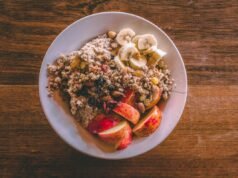
Instead of reaching for unhealthy snacks such as candy, cookies, or chips, consider opting for fruits and vegetables. Fresh fruits like apples, berries, and grapes provide natural sweetness along with essential vitamins and minerals. For a crunchier texture, fresh vegetables such as carrots, cucumbers, and bell peppers paired with a light hummus dip could serve as a satisfying snack.
When considering beverages, it is advisable to steer clear of sugary drinks such as soda or fruit drinks that contain high amounts of added sugar. Instead, water infused with lemon, cucumber, or mint can offer a refreshing alternative without breaking your fast. Herbal teas, which are naturally free from calories, can also be a delightful option and help curb cravings.
For those who enjoy coffee or tea, it’s important to keep them unsweetened. Rather than adding sweeteners, consider using spices like cinnamon or nutmeg for flavor enhancement. If you tend to gravitate towards sweetened coffee or tea, transitioning slowly to black varieties can aid in adjusting your palate. While sugary cereals are best avoided, consider whole-grain options that are high in fiber and low in sugar.
In ensuring that you follow the guidelines of intermittent fasting, always remember to prioritize nutrient-dense foods that promote health while keeping you satiated. By incorporating these healthy options, you will not only support your intermittent fasting regimen but also foster a balanced and nutritious diet overall.
Practical Tips for Success While Fasting
Maintaining a successful intermittent fasting regimen requires careful planning and discipline. The first step is to outline your fasting schedule, selecting specific windows for eating and fasting that align with your lifestyle. During the eating periods, it’s essential to focus on nutrient-dense foods to sustain energy levels and enhance overall health.
When planning meals, consider incorporating whole foods such as vegetables, lean proteins, healthy fats, and whole grains. Include a variety of foods to ensure you receive adequate nutrition while avoiding those that can hinder your fasting success. What foods should you avoid during intermittent fasting? Examples of foods and drinks you should avoid while intermittent fasting include candy, cookies, chips, fruit drinks, soda, sweetened coffee and tea, and sugary cereals. These items are high in sugars and refined carbohydrates, which can lead to energy crashes and increased hunger.
Grocery shopping plays a crucial role in your success. Prepare a shopping list that prioritizes whole foods and avoids processed items that are high in sugar and unhealthy fats. When at the store, stick to the perimeter of the aisles where fresh produce and meats are typically located. This strategy can help you make healthier choices and avoid impulse buys of unhealthy snacks.
Additionally, resistance to temptations is a key component of successful intermittent fasting. Strategies such as keeping healthy snacks on hand, staying hydrated, and finding distractions during cravings can be effective. Remember that the initial days may be challenging as your body adjusts to the new eating pattern, but it becomes easier over time.
By focusing on practical strategies and understanding what foods to eat during intermittent fasting (and what to avoid), individuals can optimize their fasting experience and achieve their health goals.
Conclusion: Making Informed Food Choices
Intermittent fasting has gained popularity as a dietary approach that can enhance weight management and promote health. Nevertheless, the effectiveness of this eating pattern is significantly influenced by the food choices made during eating windows. Understanding what foods should you avoid during intermittent fasting is crucial for attaining optimal results.
Throughout this comprehensive guide, we have highlighted several examples of foods and drinks you should avoid while intermittent fasting. These include candy, cookies, chips, fruit drinks, soda, sweetened coffee and tea, and sugary cereals. Each of these items is typically high in refined sugars and calories, which can disrupt the benefits of fasting and lead to cravings, resulting in hindering progress toward health goals.
In contrast, incorporating whole, nutritious foods into your meal plans can amplify the benefits of intermittent fasting. Foods rich in protein, healthy fats, and fiber are recommended as they can help maintain satiety and provide essential nutrients. This balanced approach promotes not only a successful fasting experience but also overall wellness.
Ultimately, making informed food choices is a crucial aspect of any dietary strategy, especially when practicing intermittent fasting. By being mindful of what you consume and recognizing the impact of these choices, you can optimize the results of your fasting regimen. This commitment to healthier eating patterns fosters sustainable lifestyle changes and contributes to long-term health improvements. Therefore, as you embark on your intermittent fasting journey, prioritize your food selections to enhance both your physical and mental well-being.