


Understanding Fasting
Fasting refers to the voluntary abstention from all or some food and drink for a specific period. It can be categorized into various types, including intermittent fasting, prolonged fasting, and religious fasting. Intermittent fasting typically involves a cycle of eating and fasting, with set times for both, while prolonged fasting extends beyond 24 hours. Religious fasting may denote specific practices or dietary rules observed during sacred times, across different faiths.
The principles behind fasting largely hinge on metabolic changes within the body. When food intake is limited, the body shifts from using glucose for energy to utilizing fat reserves. This metabolic switch can lead to ketosis, where fat is broken down into ketones, providing an alternative energy source. Moreover, fasting has been shown to offer several health benefits, including improved blood sugar control, enhanced fat loss, and even cellular repair processes.
Hydration plays an essential role while fasting, as it helps to manage hunger and maintain overall health. While fasting, you can drink water to remain hydrated, which is fundamental for optimal bodily functions. Additionally, black coffee and unsweetened tea—whether herbal, green, or black—are excellent options since they contain minimal to zero calories. These beverages can help stave off hunger and support metabolic activities.
For those engaging in longer fasting periods, alternatives like sparkling water, lemon or lime-infused water, and bone broth can provide variety; however, these technically add calories. MCT oil can also be consumed during extended fasts, as it is generally compatible with a ketosis-inducing diet. It is crucial to avoid sugary drinks, milk, cream, and artificial sweeteners, as these can break a fast and hinder the intended benefits of fasting.
The Best Drinks to Consume While Fasting
While fasting, it is crucial to remain hydrated and manage hunger effectively. The most recommended beverages during fasting are water, black coffee, and unsweetened tea, including herbal, green, and black options. These drinks are virtually calorie-free, making them ideal for those adhering to strict fasting protocols.
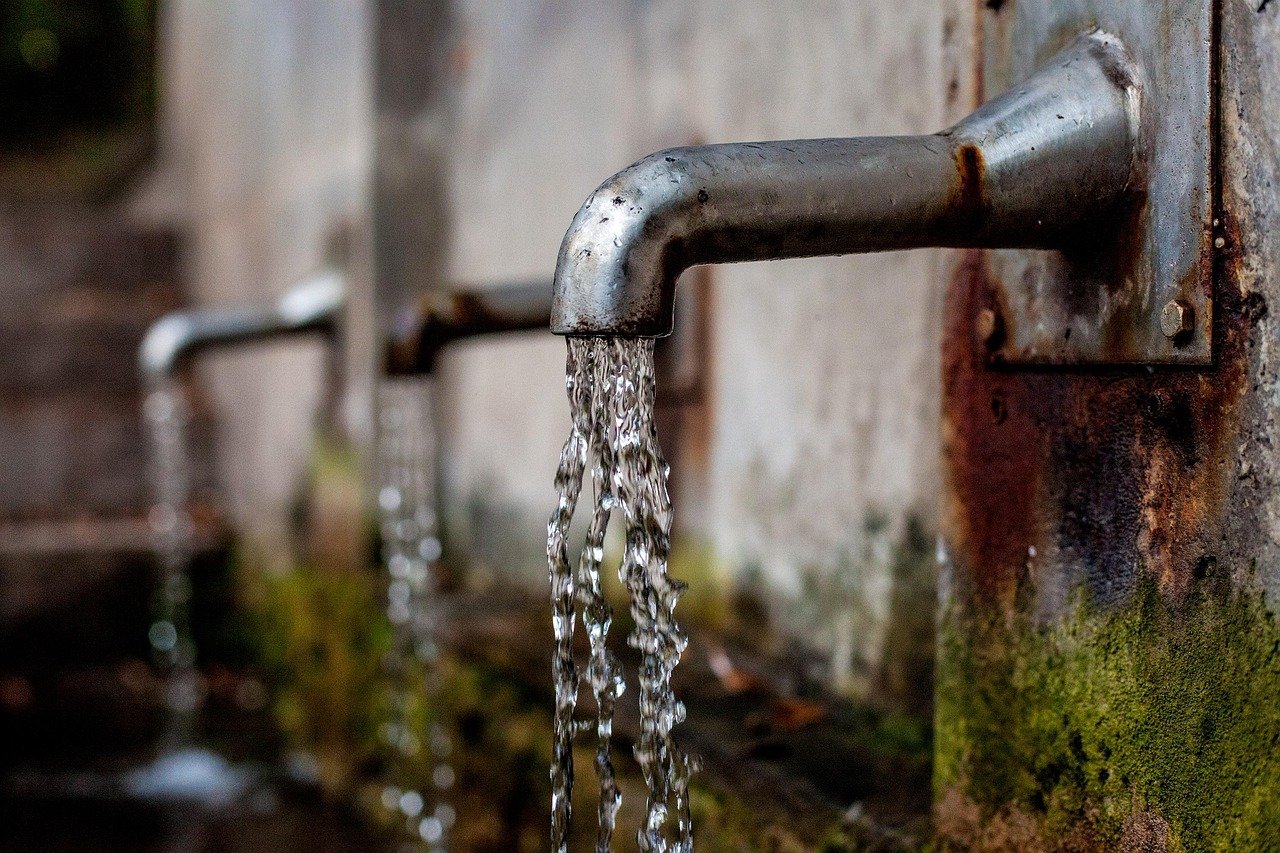
Water is the most straightforward choice. Staying fully hydrated is essential for bodily functions and can help stave off feelings of hunger. Additionally, drinking sufficient water can aid in avoiding common fasting-related side effects such as headaches and fatigue. The importance of hydration cannot be overstated, especially since mild dehydration can often be mistaken for hunger.
Black coffee is another popular option during fasting. It contains minimal calories and can enhance mental alertness through caffeine. Moreover, coffee can help suppress appetite, which is particularly beneficial when you are trying to curb your hunger in a fasting state. Research has also suggested that black coffee may have certain metabolic benefits, potentially supporting fat burning while fasting.
Unsweetened teas, whether herbal, green, or black, are equally advantageous to include in your fast. Like coffee, they are low in calories and can be consumed in various forms, hot or cold. Green tea, for instance, is known for its antioxidant properties and has been linked to improved metabolic rates. Additionally, the calming effect of herbal teas may help alleviate stress and improve comfort during fasting periods.
In summary, while fasting, you can drink water, black coffee, and unsweetened tea to stay hydrated and manage hunger. Each of these beverages offers unique benefits that can aid in maintaining both physical well-being and adherence to fasting regimes.
Hydration Considerations
During fasting, maintaining proper hydration is crucial for overall health and well-being. Dehydration can lead to various negative effects, such as fatigue, headaches, dizziness, and impaired cognitive function. Consequently, it is vital to ensure adequate fluid intake, even when adhering to a strict fasting regimen.
When considering what can I drink while fasting?, it is essential to focus on beverages that are low in calories and do not interfere with the fasting process. Water reigns supreme as the best choice for hydration, as it contains zero calories and is necessary for numerous bodily functions. Drinking sufficient amounts of water can help mitigate feelings of hunger, bolster energy levels, and support metabolism.
Aside from plain water, there are several other options that can help you stay hydrated while fasting. Black coffee, for instance, is an excellent choice since it is calorie-free and may even enhance fat burning, therefore promoting the benefits of fasting. Unsweetened tea, whether herbal, green, or black, is another beneficial option. Not only does it provide hydration, but certain types of tea may also possess health benefits that can amplify the effects of fasting.
In addition to these beverages, sparkling water or lemon/lime-infused water can add variety to your hydration routine, making drinking fluids more enjoyable without adding calories. For those engaging in extended fasts, bone broth or MCT oil can provide a minimal caloric intake while still being manageable for maintaining ketosis. However, it is essential to be aware that these options introduce some calories and should be used judiciously.
Overall, ensuring adequate hydration while fasting is vital. It is important to avoid sugary drinks, milk, cream, and artificial sweeteners, which could break a fast and hinder the desired fasting outcomes. By focusing on calorie-free options, you can successfully navigate your fasting period without compromising your hydration needs.
Exploring Low-Calorie Options
During fasting periods, it is crucial to choose beverages that not only sustain hydration but also do not interfere with the fasting state. Low-calorie options are particularly suitable, as they help manage hunger and keep the body hydrated without breaking a fast. The primary beverages that you can drink while fasting include water, black coffee, and unsweetened tea. These options are free from calories and do not provoke insulin responses.
One appealing variety is sparkling water. It provides a refreshing taste and a bubbly sensation, making hydration feel less monotonous. When coupled with lemon or lime, sparkling water can also infuse flavor without adding significant calories, thereby enhancing the drinking experience. Lemon/lime-infused water not only offers a delightful taste but is also rich in vitamin C, which may provide additional health benefits.
Bone broth is another option for longer fasting periods. Although it contains some calories, it is packed with nutrients and electrolytes that can support bodily functions during extended fasts. MCT oil, commonly derived from coconut oil, is also cited by some as a suitable choice during fasting. While it adds calories, it is believed to promote ketosis and is sometimes included in ketogenic fasting protocols.
Conversely, individuals should steer clear of sugary drinks, milk, cream, and those containing artificial sweeteners, as they effectively break a fast by prompting insulin release. Thus, for strict fasting, calorie-free beverages such as herbal, green, or black tea, along with the previously mentioned options, are recommended to ensure that fasting goals are met without disruption.
Bone Broth and MCT Oil: A Deeper Dive
During longer fasting periods, certain beverages can be consumed that are compatible with maintaining the fasting state in moderate amounts. Two notable options that often come up in discussions about what can I drink while fasting? are bone broth and MCT (Medium-Chain Triglyceride) oil. Both can provide nutritional benefits without significantly disrupting the fasting process.
Bone broth is made by simmering animal bones and connective tissues. Rich in electrolytes, amino acids, and minerals, it can offer hydration and may support joint health, gut integrity, and recovery from exercise. Importantly, bone broth contains minimal calories, usually around 30-50 calories per cup, which may have negligible effects on insulin levels and ketosis during intermittent fasting. Its rich flavor can also help satisfy cravings, making it a comforting choice for those navigating longer fasting durations.
MCT oil, extracted from coconut or palm oil, is rapidly digested and converted into ketones, which the body can use for energy in the absence of carbohydrates. It contains approximately 100 calories per tablespoon, which is comparatively low but significant enough to consider during fasting. When incorporated appropriately, MCT oil can enhance mental clarity and physical energy, beneficial for those who may experience fatigue while fasting. Its consumption should be moderated, as too much could lead to gastrointestinal discomfort.
In summary, both bone broth and MCT oil can be suitable options when considering what can I drink while fasting? provided they are consumed in moderation. They offer hydration and energy without the drawbacks associated with sugary drinks or other high-calorie beverages, making them excellent choices for longer fasting periods.
What to Avoid Drinking While Fasting
When engaging in fasting, understanding what beverages to avoid is critical to maintaining your fasting state. Certain drinks can disrupt the metabolic processes associated with fasting and should be steered clear of to uphold its benefits. A principal category to avoid includes sugary drinks, which encompass sodas, juices, and energy drinks. These beverages can lead to rapid spikes in blood sugar levels, ultimately breaking a fast and thwarting the desired physiological effects of fasting.
Another group that warrants avoidance is dairy products, particularly milk and cream. Though they may seem innocuous, their caloric content and lactose can interfere with the fasting process by supplying energy that the body would otherwise be deprived of. Likewise, beverages that contain artificial sweeteners should be excluded. Despite being low in calories, these substances may provoke an insulin response in some individuals, thereby counteracting the benefits of fasting.
While fasting, it is essential to remain cognizant of the importance of maintaining a state of ketosis. Consuming drinks that introduce carbohydrates, even those that appear low in calories, can lead to an interruption in ketosis. This is particularly relevant for those adhering to intermittent fasting paradigms or ketogenic lifestyles, where the production of ketones becomes crucial.
In summary, adhering to the principle of fasting requires a careful selection of drinks. Avoid sugary beverages, dairy, and artificial sweeteners, as they can significantly affect blood sugar levels and disrupt the biochemical environment conducive to fasting. Instead, opt for calorie-free options that align with your fasting goals, ensuring that your fasting experience remains effective and beneficial.
Benefits of Staying Hydrated While Fasting
Hydration plays a crucial role in maintaining overall health, particularly during fasting periods. When you fast, it is essential to consume beverages that help you stay hydrated because this can yield numerous health benefits. For instance, improved focus is one significant advantage of proper hydration. When your body is well-hydrated, it enhances cognitive function and sharpens concentration, allowing you to carry out daily tasks efficiently even when you are not consuming solid food.
Additionally, staying hydrated can help manage hunger pangs. When fasting, many individuals experience cravings or sensations of hunger; drinking water or unsweetened beverages can create a sense of fullness. This can make adhering to fasting protocols more manageable while also mitigating feelings of discomfort associated with hunger.
Another benefit of hydration during fasting is mood improvement. Dehydration can lead to irritability and fatigue, which can be exacerbated by fasting. However, drinking calorie-free options such as herbal tea or sparkling water helps maintain adequate hydration levels, potentially enhancing your mood and fostering an overall sense of well-being during this period.
Moreover, hydration supports metabolic processes. Enough fluid intake can optimize the body’s metabolic functions, including the breakdown of fats and the regulation of electrolytes. While fasting, it is crucial to choose beverages wisely—water, black coffee, and unsweetened tea are excellent options that contain minimal to zero calories and help sustain energy levels without breaking your fast. Thus, understanding what you can drink while fasting is integral to reaping these benefits.
Myths and Misconceptions about Drinks While Fasting
When considering what can I drink while fasting?, various myths and misunderstandings arise that can misinform those seeking to optimize their fasting experience. One prevailing myth is that any type of caloric intake, regardless of the source, will inevitably break a fast. While it is true that caloric consumption can disrupt certain fasting benefits, the specifics matter significantly. For instance, during fasting, many individuals wonder if they can drink water, black coffee, or herbal teas, which, due to their low or negligible calorie content, typically do not hinder the fasting state.
Another common misconception is that all beverages, including those that are low-calorie or zero-calorie, should be avoided while fasting. However, many of these drinks can be valuable tools for hydration and appetite control. Options such as sparkling water, lemon-infused water, and unsweetened teas are not only permissible but can enhance the overall fasting experience. These beverages help manage thirst and hunger without affecting the fasting metabolic benefits.
Conversely, drinks that contain sugar, cream, or artificial sweeteners should certainly be avoided. Such ingredients can provoke an insulin response, fundamentally nullifying the purpose of fasting. Additionally, while some dieters might include bone broth or MCT oil believing they are beneficial, these options introduce calories, which may be counterproductive depending on individual fasting goals.
It is essential to discern between drinks that support fasting and those that disrupt it. Understanding what can I drink while fasting? is crucial for maintaining the integrity of the fasting regimen while also ensuring proper hydration and minimizing feelings of hunger. By debunking these myths, you can approach fasting with a clearer mindset, making informed choices that align with your health objectives.
Practical Tips for Fasting Hydration
Maintaining hydration during a fasting period is vital for both physical well-being and managing hunger. When considering what can I drink while fasting, it is fundamental to choose beverages that do not disrupt the fasting state and promote hydration. Water is the cornerstone of hydration; hence, it is advisable to drink it consistently throughout the day. Aim to consume at least eight 8-ounce glasses to stay adequately hydrated.
When preparing beverages, consider infusing water with natural elements such as lemon or lime slices. This not only enhances flavor but also adds a refreshing twist that can make drinking water more appealing, especially during longer fasting periods. For those who prefer something warm, black coffee can be an excellent option. It is low in calories and can increase metabolism while providing added energy.
In the realm of tea, both green and herbal varieties are permissible while fasting. They offer hydration without adding calories, and their antioxidants can provide supplementary health benefits. To ensure optimal timing, try consuming these drinks early in the day to help curb appetite and keep energy levels stable.
Listening to your body’s thirst cues is essential. If you feel thirsty, do not hesitate to drink. Boredom is commonly mistaken for hunger; hence, reaching for a calorie-free drink can also stave off the false sense of hunger associated with fasting. Additionally, sparkling water can add variety, serving as an enjoyable alternative to still water.
For longer fasts, considering options like bone broth may provide necessary electrolytes and some caloric intake without significantly impacting your fasting goals. It’s best to introduce such items gradually and in moderation to monitor how they affect your fasting experience.