







Introduction: The Importance of Dietary Choices in Weight Loss
Weight loss is a multifaceted process that often involves a revamping of dietary habits. One of the most critical aspects of shedding excess weight is making informed food choices. The relationship between the types of foods consumed and their effects on the body plays a significant role in determining the success of any weight loss strategy. Many people inquire, “what foods should I avoid to lose 10kg?” This question highlights the importance of understanding which foods can hinder weight loss efforts.
Certain foods, particularly those high in added sugars, unhealthy fats, and refined carbohydrates, can lead to weight gain and obesity by contributing to excess calorie intake and poor nutritional quality. For example, sugary drinks like soda and sports beverages are notorious for being calorie-dense while providing little to no essential nutrients. Likewise, baked items, which often contain high amounts of sugar and unhealthy fats, can contribute to weight gain if consumed in excess.
Furthermore, fried foods such as french fries and burgers lack nutritional value and are often high in unhealthy fats, making them detrimental to weight loss. Refined flour products, including white bread and certain cereals, can lead to spikes in blood sugar levels, resulting in increased hunger and cravings. Foods such as white rice and granola bars may also not be the best choices when looking to shed pounds, especially those variants with added sugars.
In conclusion, making mindful choices regarding dietary intake and identifying foods to avoid when losing weight can significantly enhance weight loss efforts. By prioritizing whole foods and reducing or eliminating certain categories of food from one’s diet, individuals can create a more effective strategy for achieving their weight loss goals.
Understanding Caloric Deficit and Nutritional Value
The concept of caloric deficit is integral to effective weight loss, as it dictates that in order to lose weight, one must consume fewer calories than the body expends. It is essential to comprehensively understand this concept to distinguish which foods are beneficial and which should be avoided. Contrary to popular belief, not all calories are created equal. This means that while one might achieve a caloric deficit, the quality and nutritional value of the foods consumed can significantly influence health and weight loss outcomes.
When considering what foods should I avoid to lose 10kg?, it is crucial to focus on nutrient-dense options. Foods rich in vitamins, minerals, and antioxidants provide essential nutrients that support the body’s metabolic processes. In contrast, foods poor in nutritional value, such as those high in added sugars and unhealthy fats, can lead to undesirable effects on health. Regular consumption of these low-nutrient items can hinder weight loss efforts, as they may contribute to increased hunger, cravings, and fatigue, leading to potential overeating.
For effective weight loss, individuals should prioritize whole foods that are minimally processed, including fruits, vegetables, lean proteins, and whole grains. Foods to avoid when losing weight include items like sugary drinks, which are laden with added sugars yet lack essential nutrients. Baked goods such as pastries, often made from refined flour and sugars, should also be limited. Furthermore, items such as French fries and burgers are high in unhealthy fats and calories without substantial nutritional benefits.
Additionally, refined flour bread and white rice provide little in the way of dietary fiber and can spike blood sugar levels, leading to adverse effects over time. Granola bars, while often marketed as healthy, frequently contain added sugars, and dried fruits can also be problematic if they have additional sweeteners added. Making informed dietary choices is essential for achieving a successful caloric deficit and supporting overall health during the weight loss journey.
Sugary Drinks: The Hidden Calories
When contemplating effective weight loss strategies, addressing sugary drinks is essential in the quest to discover what foods should I avoid to lose 10kg? Many individuals may overlook the significant impact these beverages can have on their overall caloric intake. Common examples of sugary drinks include soda, sports drinks, and certain fruit juices that are often marketed as healthy alternatives. However, a deeper examination reveals that these beverages are generally loaded with added sugars, while simultaneously lacking essential nutrients.
One of the primary concerns with sugary drinks is their high-caloric density, which allows individuals to consume substantial amounts of sugar without feeling satiated. For instance, a typical can of soda can contain upwards of 150 calories, all derived from sugar without any substantial nutritional benefits. This lack of nutrition not only hinders weight loss goals but can also lead to increased cravings for more food, as the body craves nutrients missed in these calorie-dense drinks.
Moreover, sports drinks, often consumed under the pretext of replenishing electrolytes lost during exercise, can also fall under the category of foods to avoid when losing weight. Many varieties contain high levels of sugars, which may undermine workout efforts by contributing excess calories that are not offset by burning during physical activity.
Ultimately, reducing or eliminating sugary drinks from one’s diet is a critical step in promoting effective weight loss. By choosing water, herbal teas, or other low-calorie beverages, individuals can drastically reduce their caloric intake and improve overall health, thus bringing them closer to achieving their weight loss objectives. Prioritizing hydration through healthier alternatives enhances the journey towards losing 10 kilograms.
Baked Items: Sweet Temptations to Avoid
Baked goods, while often delightful to consume, are typically known for their high sugar and unhealthy fat content. When addressing the question of what foods should I avoid to lose 10kg?, baked items should be at the forefront of your considerations. Common examples include pastries, cakes, and cookies, all of which can be laden with ingredients detrimental to weight loss efforts.
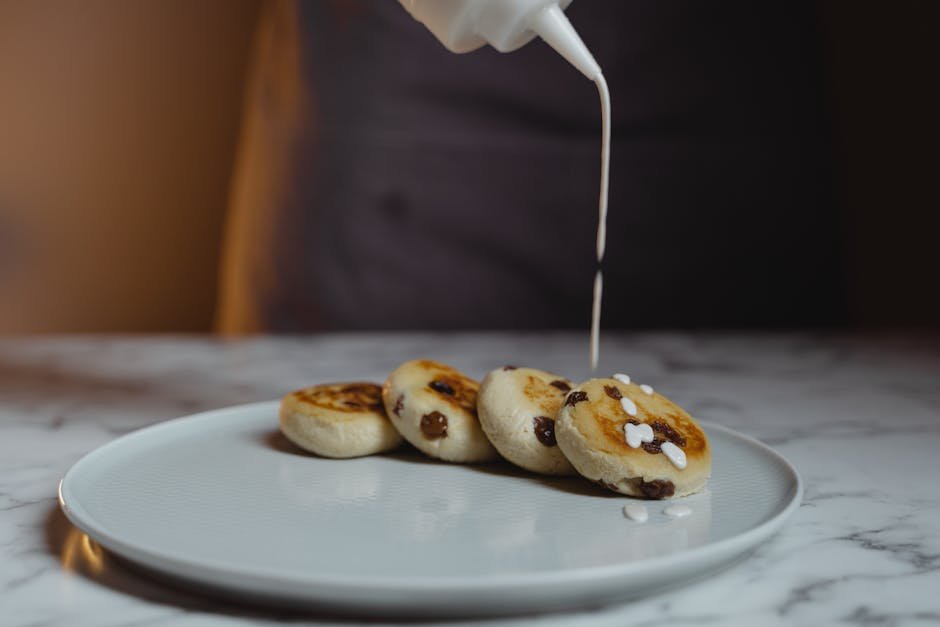
Many baked items are crafted with refined flour and sugar, providing empty calories that do not contribute to satiety. These foods can lead to energy spikes followed by crashes, prompting further unhealthy snacking. Furthermore, the appeal of these sweets can make it challenging to practice moderation, which is essential for effective weight loss.
Instead of indulging in traditional baked goods, consider healthier alternatives. For instance, you might opt for whole-grain products that offer more nutrients and fiber, potentially increasing your feelings of fullness. Whole-grain muffins, which can be made with natural sweeteners like honey or ripe bananas, can be a satisfying substitute. Additionally, incorporating nuts and seeds into baked items can boost their nutrient profile.
It’s vital to be conscious of other options in your diet that also fall under the category of foods to avoid when losing weight. By creating a meal plan that emphasizes fruits, vegetables, and whole grains while limiting baked items, you can encourage better eating habits. Awareness is key; labeling baked goods as occasional treats rather than daily staples can significantly impact your journey to shed those unwanted kilograms.
French Fries: A Fried Foe of Weight Loss
When considering the question of what foods should I avoid to lose 10kg?, one cannot overlook the detrimental impact of french fries. These widely enjoyed side dishes are notorious for their high-calorie content. A serving of french fries can contain a significant amount of calories, often exceeding 300 calories in a single portion, depending on the serving size and preparation methods. This is a concerning figure for anyone attempting to shed excess weight.
Furthermore, french fries are typically cooked in unhealthy fats, which compounds their negative effects on weight loss. The deep frying process not only increases calorie count but also introduces trans fats and saturated fats into the diet. These types of fats are linked with numerous health issues, including heart disease and other chronic conditions. As a result, their consumption should be minimized or avoided altogether for those serious about losing weight.
In addition to being calorie-dense and high in unhealthy fats, french fries also offer very little in the way of nutritional value. They lack essential nutrients such as vitamins, minerals, and fiber that are crucial for maintaining a balanced diet. When aiming for effective weight loss, it is important to replace calorie-empty foods, like french fries, with more nutritious options that can contribute to overall health and satiety.
Ultimately, if you are asking what foods should I avoid to lose 10kg?, it is evident that french fries are a food item that warrants exclusion from your diet. By eliminating or significantly reducing the intake of such high-calorie, low-nutrition foods, one can create a more effective weight loss strategy that supports both physical health and well-being.
Burgers are one of the most popular fast food items worldwide, often appreciated for their taste and convenience. However, they are also known for being calorie-dense, making them a food to avoid when losing weight. Understanding the components that contribute to their high caloric value is essential for those asking, “what foods should I avoid to lose 10kg?”
Typical burgers are primarily composed of a meat patty, which may be high in fat, particularly if it comes from processed sources. Additionally, many fast-food chains use fatty cuts of beef to enhance flavor, but this also means excessive caloric intake. The addition of cheese, sauces, and toppings such as bacon can further increase the calories, often turning a seemingly innocent burger into a significant calorie bomb.
Aside from the meat, the bun plays a critical role in the overall calorie count. Most burger buns are made from refined flour, which has a high glycemic index and lacks fiber, leading to spikes in blood sugar levels and subsequent hunger cravings. This is why burgers are often classified among the foods to avoid when losing weight.
To make a burger meal healthier, individuals can explore some modifications. Opting for leaner meats, such as turkey or plant-based patties, can substantially reduce fat content while providing more protein. Furthermore, choosing a whole grain or lettuce wrap instead of a standard bun can help increase fiber intake and lower calories. Incorporating plenty of vegetables, such as lettuce, tomatoes, and onions, not only adds nutrients but also enhances satiety, making it easier to control overall calorie consumption.
In conclusion, while burgers are an easy and tasty meal option, they can negatively impact weight loss efforts. Being mindful of their ingredients and making smart modifications can help individuals enjoy their favorite foods without compromising their goals.
Refined Flour Bread: The Carb Conundrum
Refined flour bread, often found in the form of white bread, is a common staple in many diets. However, its nutritional profile significantly differs from that of whole grain bread. The refining process removes the bran and germ from the wheat, stripping away most of the fiber, vitamins, and minerals. As a result, consuming refined flour bread can lead to several adverse effects, particularly when considering the question of what foods should I avoid to lose 10kg?
One of the most concerning aspects of refined flour bread is its high glycemic index, which can cause rapid spikes in blood sugar levels. Consuming these types of bread can lead to increased insulin production, ultimately driving hunger soon after consumption. This cycle can contribute to overeating and can hinder weight loss efforts, making it essential to be aware of foods to avoid when losing weight.
When individuals consume refined flour bread, the lack of fiber means that they do not feel as full as they would after eating whole grain options. This can result in cravings for more carbohydrates or sugary foods shortly thereafter. Furthermore, because refined flour bread is often paired with high-calorie spreads or toppings, it can significantly increase overall caloric intake—another factor to consider when evaluating what foods should I avoid to lose 10kg.
Alternatives such as whole grain bread or sprouted grain bread provide the necessary fiber and nutrients that can aid in digestive health and promote satiety. By making this simple switch, individuals can support their weight loss journey more effectively while reducing the likelihood of unwanted cravings and blood sugar fluctuations associated with refined grains. In conclusion, avoiding refined flour bread is a strategic choice for anyone aiming to shed pounds successfully while prioritizing nutrition in their diet.
White Rice: The Case for Whole Grains
When considering the question of what foods should I avoid to lose 10kg?, white rice emerges as a common culprit in many diets aimed at weight loss. Although widely consumed and culturally significant in various regions, white rice is often less beneficial than its whole-grain counterparts. The primary issue with white rice lies in its nutritional profile; it is primarily composed of carbohydrates and offers minimal dietary fiber, which can contribute to rapid spikes in blood sugar levels.
Whole grains, in contrast, retain their bran and germ, providing essential nutrients such as fiber, vitamins, and minerals. This additional fiber promotes a feeling of fullness, helping to control hunger and, consequently, manage caloric intake more effectively. Studies suggest that a higher intake of whole grains is linked to reduced risks of chronic diseases and supports weight loss efforts, emphasizing their role as a healthier option.
Switching from white rice to whole grains such as brown rice, quinoa, or barley not only enhances satiety but also offers added health benefits. The fiber in these whole grains aids digestion and maintains stable energy levels, which can be particularly beneficial for those engaged in regular physical activity to shed unwanted pounds.
Incorporating whole grains into one’s diet may also mitigate the cravings that often accompany diets high in refined carbohydrates such as white rice. As individuals consider their dietary choices while pondering what foods to avoid when losing weight, it is crucial to recognize the advantages that whole grains present.
Substituting white rice with alternatives like quinoa or brown rice can significantly improve overall nutrient intake while supporting efforts to lose weight. This simple change can facilitate a more satisfying and sustainable weight loss journey.
Granola Bars and Dried Fruits: The Sugar Traps
Granola bars and dried fruits are often considered convenient and healthy snack options for those seeking to lose weight. However, many of these products can contain high levels of added sugars and unhealthy ingredients that can derail your weight loss efforts. When addressing the question, what foods should I avoid to lose 10kg, understanding the hidden sugar content in granola bars and dried fruits is crucial.
Many granola bars marketed as healthy may contain sugar-sweetened syrups, high fructose corn syrup, or other sweeteners that contribute significantly to their caloric content. For example, a single granola bar may contain as much sugar as a candy bar, counteracting your efforts to maintain a calorie deficit for weight loss. Therefore, when choosing granola bars, it is important to read the nutrition labels carefully. Opt for products that have minimal added sugars and a high fiber content to help feel fuller longer.
Dried fruits, while they may appear to be a healthier alternative to candy or other sugary snacks, can also be high in added sugars. Some dried fruits are sweetened further during processing, significantly increasing their sugar content. For instance, dried mangoes and cranberries often have added sugars, making them less suitable for a weight loss plan. If you choose to include dried fruits in your diet, look for unsweetened varieties and consume them in moderation, as their caloric density can also add up quickly.
In summary, when considering the foods to avoid when losing weight, both granola bars and dried fruits can act as unexpected pitfalls due to their potential added sugars. By making informed choices and selecting whole food alternatives such as nuts, seeds, or fresh fruit, you can significantly enhance your chances of weight loss success.