









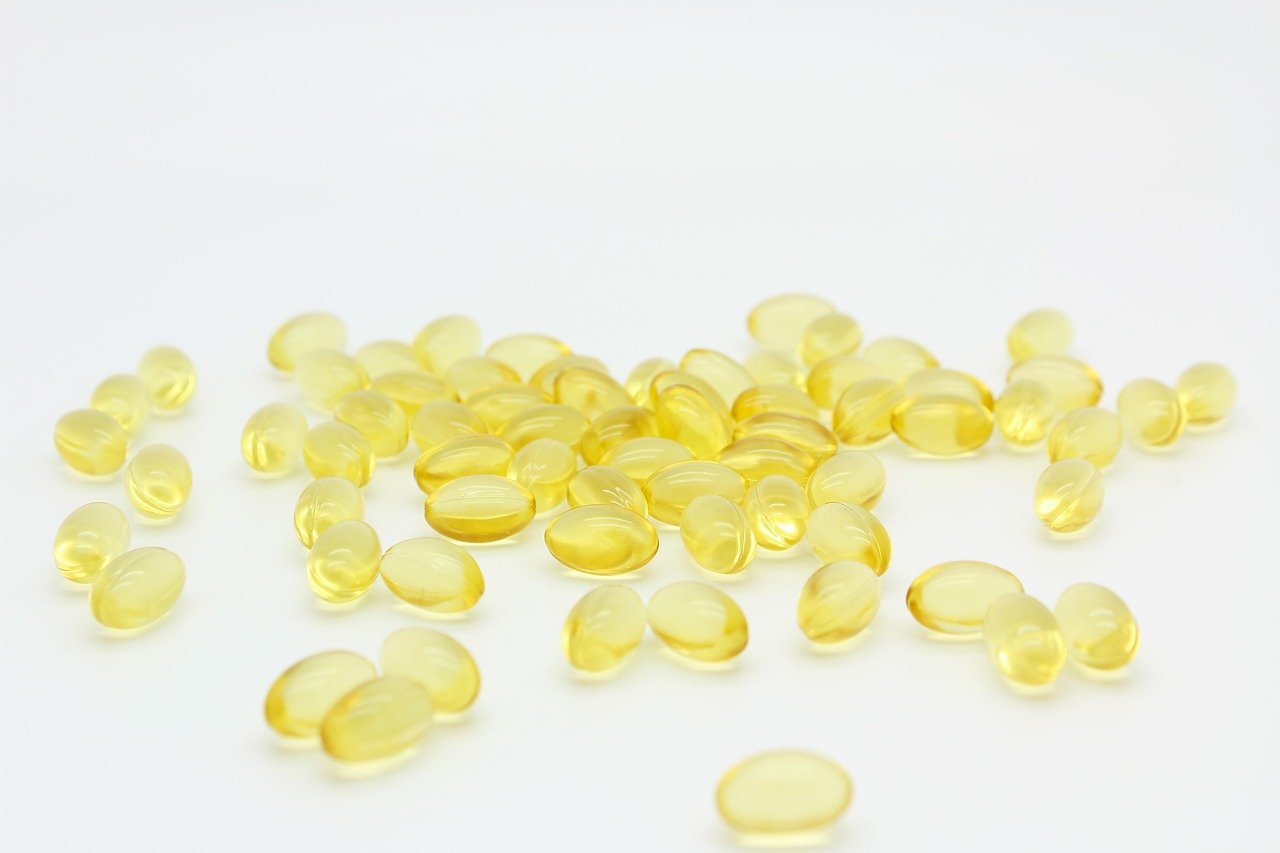
Introduction to Omega-3 Fatty Acids
Omega-3 fatty acids are a group of essential fats that play a critical role in human health. Unlike saturated and trans fats, omega-3 fatty acids are polyunsaturated fats that cannot be synthesized by the body, making it necessary to obtain them from dietary sources. There are three primary types of omega-3 fatty acids: alpha-linolenic acid (ALA), eicosapentaenoic acid (EPA), and docosahexaenoic acid (DHA). Each of these omega-3s has distinct health benefits and functions in the body.
ALA, primarily found in plant sources such as flaxseeds, chia seeds, and walnuts, serves as a precursor to EPA and DHA. However, the conversion process of ALA to EPA and DHA in the body is inefficient, prompting individuals, particularly those with dietary restrictions, to seek direct sources of these crucial nutrients. EPA and DHA are predominantly found in marine sources, particularly fatty fish like salmon, mackerel, and sardines, which acquire these fatty acids through their consumption of algae.
Adequate omega-3 intake is vital for numerous aspects of health, including cardiovascular health, cognitive function, and anti-inflammatory processes. Research has shown that these fatty acids can help lower triglyceride levels, reduce the risk of heart disease, and support brain health, making them particularly beneficial for populations at risk of cardiovascular issues or cognitive decline.
As awareness of the health benefits of omega-3s increases, so does the interest in alternative sources for those who follow a plant-based diet. This has led to the exploration of algae oil, an emerging vegan source of omega-3s. Algae oil is derived from microalgae, such as nannochloropsis or schizochytrium, and is recognized for being rich in EPA and DHA, often regarded as a sustainable option for obtaining these essential fats without the ecological concerns associated with fish consumption.
The Vegan Perspective on Omega-3s
Omega-3 fatty acids are essential nutrients that play a vital role in maintaining overall health, particularly for cardiovascular and cognitive function. However, for those following a vegan diet, obtaining sufficient omega-3s can present certain challenges. The primary sources of omega-3 fatty acids, particularly eicosapentaenoic acid (EPA) and docosahexaenoic acid (DHA), are predominantly found in fish oils, leading to the belief that vegans might struggle to meet their nutritional needs.
A common misconception is that plant-based diets inherently lack omega-3s. Though it is true that direct sources such as fish are excluded from a vegan diet, this does not mean vegans cannot obtain these important fats. Many people may not realize that certain plant-based foods contain alpha-linolenic acid (ALA), a type of omega-3 fatty acid that the body can convert into EPA and DHA, albeit inefficiently. Sources of ALA include walnuts, flaxseeds, chia seeds, and hemp seeds.
Nonetheless, relying solely on ALA may not provide adequate amounts of EPA and DHA, which are crucial for optimal health. This is where algae oil comes into play. Algae oil is derived from microalgae, such as nannochloropsis or schizochytrium, which are the primary producers of omega-3s in aquatic environments. Fish obtain their omega-3 content by consuming these algae. As a result, algae oil becomes an important alternative source for vegan individuals seeking to enrich their diet with sustainable omega-3s.
Moreover, algae oil is ecologically sustainable, providing a plant-based solution to the dietary requirements for omega-3s without the environmental impact associated with fish farming. By incorporating algae oil, vegans can comfortably address their omega-3 needs while supporting sustainable practices.
Fish oil is derived from the tissues of oily fish and is renowned for its rich content of omega-3 fatty acids, primarily eicosapentaenoic acid (EPA) and docosahexaenoic acid (DHA). These essential fatty acids play a pivotal role in maintaining overall health, providing numerous benefits that have garnered substantial attention in nutritional science.
One of the primary health benefits associated with fish oil consumption is its contribution to heart health. Research indicates that omega-3 fatty acids can help reduce triglyceride levels, lower blood pressure, and decrease the likelihood of heart disease. The American Heart Association often recommends fish oil as a supplement for individuals predisposed to cardiovascular issues, thereby emphasizing its protective effects on the heart.
In addition to cardiovascular benefits, fish oil is recognized for its positive impact on brain function. DHA, in particular, is a critical component of brain cell membranes and is believed to support cognitive processes, such as memory and learning. Some studies suggest that regular intake of fish oil may aid in reducing the risk of cognitive decline and conditions like Alzheimer’s disease.
Moreover, fish oil exhibits anti-inflammatory properties, making it beneficial for individuals experiencing inflammatory conditions such as arthritis. The omega-3 fatty acids present in fish oil can help lower the production of inflammatory chemicals in the body, thereby alleviating pain and stiffness associated with various inflammatory disorders.
Fish oil is commonly recommended due to its bioavailability and ease of incorporation into diets. It can be sourced from a variety of fish, including salmon, mackerel, and sardines. Despite its benefits, the growing popularity of veganism prompts individuals to seek alternatives, leading to the exploration of options like algae oil, which provides similar omega-3 fatty acids without animal sources.
Algae Oil: The Vegan Alternative
As the trend towards plant-based diets continues to gain momentum, many individuals are seeking alternatives to traditional sources of omega-3 fatty acids. One highly effective substitute for fish oil is algae oil, which provides a direct plant-based source of these essential nutrients. Fish are known to be rich in omega-3s primarily because they consume algae as a part of their natural diet. Consequently, algae oil, extracted from microalgae species such as Nannochloropsis and Schizochytrium, emerges as an excellent source of both eicosapentaenoic acid (EPA) and docosahexaenoic acid (DHA).
One of the key advantages of algae oil is its ability to provide a comparable, and in some cases superior, source of omega-3 fatty acids compared to conventional fish oil. This is largely attributed to the fact that algae oil is not only rich in EPA and DHA but is also devoid of the contaminants often found in fish, such as heavy metals and toxins. By utilizing this plant-based alternative, individuals following a vegan lifestyle can adequately meet their omega-3 needs without compromising their dietary principles.
The process of extracting oil from microalgae is both innovative and ecologically sustainable. Typically, the cultivation of these algae occurs in controlled environments, where factors such as light, temperature, and nutrients are carefully managed to optimize growth. Once harvested, the algae undergo a mechanical extraction process to obtain the oil, ensuring that the beneficial properties of EPA and DHA are preserved. This method not only promotes sustainability but also reduces the pressure on marine ecosystems that are often affected by overfishing.
In conclusion, for those adhering to a vegan diet, algae oil stands out as a powerful alternative to fish oil, providing essential omega-3 fatty acids in an environmentally sustainable manner.
Types of Algae Used for Oil Production
The production of algae oil involves various species of microalgae, with two of the most notable being Nannochloropsis and Schizochytrium. These microalgae have gained prominence as suitable sources of omega-3 fatty acids, specifically eicosapentaenoic acid (EPA) and docosahexaenoic acid (DHA), essential nutrients increasingly sought after in vegan diets.
Nannochloropsis is recognized for its high content of EPA. This genus of microalgae is noted for its rapid growth and ability to thrive in different environmental conditions, making it a prime candidate for commercial production. The oil extracted from Nannochloropsis not only provides a significant amount of omega-3 fatty acids but also comes with beneficial antioxidants. This quality enhances its appeal, as antioxidants help to protect cells from damage and may reduce the risk of chronic diseases.
On the other hand, Schizochytrium is particularly valued for its rich DHA content. This microalga is often cultivated in controlled environments for optimal yields and quality. DHA is crucial for brain health, making Schizochytrium a vital source of this essential fatty acid, especially for vegans who may have limited access to other DHA sources in their diet.
Moreover, both Nannochloropsis and Schizochytrium provide an ecologically sustainable alternative to traditional fish oil. The cultivation of these microalgae requires significantly less land and water than land-based crops and does not impact marine ecosystems, aligning with the ethical and environmental values many vegans uphold. By opting for algae oil, individuals can efficiently meet their omega-3 fatty acid requirements while adhering to a sustainable lifestyle.
The Ecological Benefits of Algae Oil
Algae oil has emerged as a leading alternative to traditional fish oil, particularly for those following a vegan lifestyle. One of the most significant ecological advantages of harvesting algae for omega-3 fatty acids lies in its sustainability. Fish populations are often overfished, resulting in significant depletion of species and disruption of marine ecosystems. Algae oil is derived from microalgae, which can be cultivated independently of aquatic environments that support fish populations. This cultivation method eliminates the reliance on fish stocks, thereby reducing the pressure on overexploited fish species.
Additionally, the farming of microalgae can be performed on land or in controlled environments, which minimizes the risk associated with capturing wild fish. Algae is capable of growing in various conditions, including brackish or salty water, making it a versatile crop that requires less water than traditional agricultural practices. Consequently, the carbon footprint associated with algae farming is considerably lower than that of fish oil production, which typically involves extensive fishing, processing, and transportation.
Moreover, the production process for algae oil supports a move towards a more circular economy. Rather than depleting natural fish stocks, algae farming can be integrated into existing agricultural systems, allowing for the utilization of wastewater and nutrient recycling. This not only helps in mitigating pollution but also enhances land use efficiency. Algae oil production utilizes less energy per gram of omega-3 produced compared to fish oil extraction, which often involves high energy costs in fishing vessels and processing plants.
In summary, the environmental benefits associated with algae oil as an omega-3 source are substantial. By providing a sustainable, ecologically responsible, and lower carbon alternative to fish oil, algae oil represents a pivotal shift towards more environmentally friendly dietary supplements.
Health Benefits of Algae Oil
Algae oil serves as a beneficial alternative to fish oil, particularly for those following a vegan lifestyle. Rich in omega-3 fatty acids, specifically eicosapentaenoic acid (EPA) and docosahexaenoic acid (DHA), algae oil has gained recognition for its positive impact on various aspects of health. The primary advantage of algae oil is that it mirrors the omega-3 profile found in fish, as fish are rich in omega-3s due to their consumption of algae.
Research has highlighted several health benefits associated with the intake of algae oil. One of the most prominent areas is heart health. Omega-3 fatty acids are known to promote cardiovascular wellness by lowering triglyceride levels, reducing blood pressure, and decreasing the risk of heart disease. Studies indicate that regular consumption of EPA and DHA can lead to a significant reduction in the prevalence of cardiac events, making algae oil an excellent option for maintaining heart health.
Moreover, algae oil supports cognitive function, an essential aspect of overall well-being. DHA, a crucial component found in algae oil, plays a vital role in brain health and is linked to improved memory and cognitive performance. Several studies suggest that adequate intake of DHA can potentially lower the risk of age-related cognitive decline and neurodegenerative diseases such as Alzheimer’s.
In addition to heart and brain health, algae oil is also touted for its antioxidant properties. Antioxidants help combat oxidative stress and inflammation in the body, which are crucial factors in the development of chronic diseases. By incorporating algae oil into their diets, individuals can enhance their overall health and well-being through a more sustainable and ethical source of omega-3s.
Incorporating Algae Oil Into Your Diet
For vegans seeking alternatives to fish oil, integrating algae oil into their diet provides a sustainable and nutrient-rich option. This oil, derived from microalgae, is regarded as one of the best vegan sources of omega-3 fatty acids, specifically EPA and DHA, mimicking the benefits of fish oil without the ecological footprint.
To begin, consider using algae oil as a supplement. Many brands offer algae oil capsules, which can be an easy way to ensure you are getting the required omega-3 fatty acids without altering your regular diet. When choosing a supplement, look for products that specify the amount of EPA and DHA per serving to meet your daily nutritional needs.
In addition to supplements, algae oil can be used in various culinary applications. It has a mild flavor, making it versatile for different recipes. One easy method is to use algae oil as a cooking oil for low-heat sautés or drizzled on salads. Its nutrient profile makes it an excellent addition to salad dressings, where it can provide a creamy texture and boost the overall omega-3 content of your meal. For example, whisk together algae oil, lemon juice, mustard, and herbs for a delicious vinaigrette.
Furthermore, incorporating algae oil into your smoothie can also enhance its nutritional value. Simply add a tablespoon of algae oil to your daily smoothie base of fruits and greens for a nutritious kick without altering the flavor significantly.
When it comes to recommended dosages, many health experts suggest consuming around 200-250 mg of combined EPA and DHA daily. This can be achieved through a combination of supplements and dietary sources. Ultimately, finding enjoyable ways to include algae oil will ensure consistent incorporation into your vegan diet and support your overall health.
Conclusion: The Future of Omega-3s for Vegans
Understanding alternative sources of omega-3 fatty acids is crucial for vegans who seek to maintain a balanced diet without relying on fish oil. As we have explored, algal oil presents a viable substitute, rich in both EPA and DHA, essential fatty acids typically obtained from fish. Since fish acquire these omega-3s through their consumption of algae, it follows that algae oil, derived from microalgae such as nannochloropsis or schizochytrium, provides a direct and sustainable method for vegans to obtain these nutrients.
The growing awareness of sustainable dietary practices has led to an increased interest not only in algae oil but also in other plant-based sources of omega-3s. The ecological benefits of algae oil cannot be overlooked; it represents a lower impact choice compared to conventional fish harvesting, which often depletes marine ecosystems. With continual advancements in algae oil production, the future holds promise for enhancing its accessibility and affordability, making it an even more attractive option for those following a vegan lifestyle.
Moreover, public perceptions about plant-based diets are changing, as more individuals seek eco-friendly alternatives that align with their values. Encouraging the adoption of algae oil as an effective and environmentally conscious option could lead to broader acceptance and consumption of vegan omega-3 sources. As nutritional science continues to evolve, it is essential for individuals, particularly vegans, to remain informed about these developments.
In conclusion, the exploration of algae oil as a substitute for fish oil underscores the exciting potential for sustainable dietary practices. As we move forward, considering and incorporating algae oil into our diets could significantly contribute to our health and the health of the planet.