








Understanding Omega-3 Fatty Acids
Omega-3 fatty acids are essential fats that the body cannot produce on its own, making dietary intake critical for maintaining optimal health. These polyunsaturated fats are primarily classified into three types: ALA (alpha-linolenic acid), EPA (eicosapentaenoic acid), and DHA (docosahexaenoic acid). While EPA and DHA are typically found in marine sources like fish and algae, ALA is predominantly sourced from plants, which is particularly significant for those following a vegan lifestyle.
A noteworthy attribute of omega-3 fatty acids is their crucial role in supporting heart health. Research indicates that these fats can contribute to reducing inflammation, lowering blood pressure, and improving overall cardiovascular function. Additionally, omega-3s are beneficial for brain function, with studies suggesting that they can enhance cognitive abilities, reduce the risk of neurodegenerative diseases, and improve mood stability.
When considering which vegan omega-3 is best, it is essential to highlight that the best form of vegan or plant-based omega-3 is ALA. This fatty acid is abundant in various plant-based foods, such as flaxseeds, chia seeds, walnuts, and hemp seeds. Not only do these foods provide an excellent source of ALA, but they also come with a range of other health benefits due to their nutrient-rich profiles, making them a valuable addition to a balanced vegan diet.
In summary, understanding the importance of omega-3 fatty acids, especially ALA in a vegan context, is crucial for individuals aiming to support their overall health and well-being. By incorporating these nutritious plant-based sources, one can effectively meet their omega-3 needs without compromising their dietary preferences.
What is ALA (Alpha-Linolenic Acid)?
Alpha-Linolenic Acid (ALA) is a type of omega-3 fatty acid that is essential for human health. Unlike other fatty acids, the human body cannot synthesize ALA, making it crucial to obtain it through dietary sources. ALA is the primary plant-based omega-3 fatty acid, found predominantly in foods such as flaxseeds, chia seeds, walnuts, and hemp seeds. These foods not only provide ALA but also come with a range of additional health benefits due to their nutrient-rich profiles.
In the conversation around omega-3 fatty acids, it is important to distinguish between ALA, Eicosapentaenoic Acid (EPA), and Docosahexaenoic Acid (DHA). While EPA and DHA are primarily sourced from marine life, such as fish, ALA is uniquely available from plant-based sources. The significance of ALA in a vegan or plant-based diet cannot be overstated, particularly as individuals following such diets may lack sufficient EPA and DHA intake that are typically derived from fish.
Moreover, the body converts ALA into EPA and DHA through enzymatic processes. However, this conversion is relatively inefficient; studies suggest that only a small percentage of ALA is converted to these types of omega-3s. Therefore, it is vital for individuals following a vegan or plant-based diet to consume adequate amounts of ALA to support their overall omega-3 levels. Rich sources of ALA, such as flaxseeds and chia seeds, not only contribute to omega-3 intake but also provide dietary fiber, lignans, and protein, which supports a well-rounded, healthful diet.
When considering which vegan omega-3 is best, it is essential to explore the top plant-based sources of alpha-linolenic acid (ALA). Several foods stand out for their rich profiles, making them excellent additions to a vegan diet.
Flaxseeds
Flaxseeds are among the richest sources of ALA, providing approximately 2.4 grams of ALA per tablespoon. They are also a good source of dietary fiber and lignans, which have antioxidant properties. Incorporating ground flaxseeds into smoothies, oatmeal, or baked goods can enhance your diet without much effort.
Chia Seeds
Chia seeds boast an impressive omega-3 content, delivering about 5 grams of ALA per ounce. In addition to being high in omega-3s, chia seeds are packed with protein, fiber, and essential minerals such as calcium and magnesium. Their ability to absorb liquid makes them ideal for creating vegan puddings and as an egg substitute in baking.
Walnuts
Walnuts also provide a significant amount of ALA, approximately 2.5 grams per ounce. They are not only a great source of omega-3 fatty acids but also rich in antioxidants, contributing to overall health. Adding walnuts to salads, oatmeal, or enjoying them as a snack can boost both flavor and nutritional value.
Hemp Seeds
Hemp seeds offer about 2.5 grams of ALA per tablespoon alongside a complete protein profile and a healthy balance of omega-6 fatty acids. Their nutty flavor makes them a versatile ingredient in various dishes, such as smoothies, salads, and protein bars.
Each of these foods provides not only ALA but also a host of additional nutrients, contributing to a balanced vegan diet. By incorporating flaxseeds, chia seeds, walnuts, and hemp seeds, individuals can optimize their omega-3 intake without compromising their dietary preferences.
Health Benefits of ALA-Rich Foods
Alpha-linolenic acid (ALA), the best form of vegan or plant-based omega-3, is predominantly found in foods such as flaxseeds, chia seeds, walnuts, and hemp seeds. The consumption of ALA-rich foods has been correlated with numerous health benefits, particularly regarding cardiovascular health and inflammation reduction.
Numerous studies indicate that ALA can effectively lower blood cholesterol levels, contributing to a reduced risk of heart disease. A study published in the “American Journal of Clinical Nutrition” found that higher dietary ALA intake was associated with a significantly lower risk of coronary heart disease. This effect is attributed to ALA’s ability to improve endothelial function and reduce arterial stiffness, which plays a crucial role in heart health.
In addition to cardiovascular benefits, ALA has also been associated with anti-inflammatory properties. Chronic inflammation is recognized as a contributor to various health conditions, including arthritis and other autoimmune diseases. Research has shown that ALA can help in the regulation of inflammatory pathways, potentially reducing symptoms and discomfort associated with these conditions.
Furthermore, the consumption of ALA-rich foods provides other important nutrients that enhance overall health. Flaxseeds, for instance, are not only high in ALA but also rich in dietary fiber and lignans, which can support digestive health and may possess cancer-preventive properties. Similarly, chia seeds are high in antioxidants, while walnuts provide essential minerals such as magnesium and phosphorus, all of which contribute to a balanced diet.
In conclusion, incorporating ALA-rich foods into one’s diet not only promotes heart health and reduces inflammation but also enriches the nutritional profile of daily meals. These plant-based sources are an excellent choice for those seeking to enhance their omega-3 intake through vegan options.
Comparing Plant-Based and Fish Omega-3 Sources
Omega-3 fatty acids are essential for human health, and they can be sourced from both marine and plant-based origins. Traditionally, fish have been considered a primary source of omega-3, rich in eicosapentaenoic acid (EPA) and docosahexaenoic acid (DHA). However, with rising concerns about sustainability, overfishing, and ethical considerations, there is an increasing interest in exploring plant-based omega-3 sources.
Plant-based omega-3 comes primarily from alpha-linolenic acid (ALA), which is found in food items such as flaxseeds, chia seeds, walnuts, and hemp seeds. One of the main advantages of ALA is that it is abundant in sources that are more sustainable compared to fish. The fishing industry often leads to significant environmental degradation, including habitat destruction and a decline in fish populations, raising ethical questions about its practices.
In terms of health benefits, while fish-derived omega-3s have been linked to cardiovascular health and brain function, ALA also offers impressive benefits including anti-inflammatory properties and potential improvements in heart health. Additionally, plant-based foods rich in ALA come with a variety of nutrients such as dietary fiber, vitamins, and minerals, making them nutritionally dense.
However, one potential drawback of plant-based omega-3 is that ALA needs to be converted into EPA and DHA by the body, and this conversion rate tends to be low in many people. Therefore, those relying solely on plant sources might not reach the same levels of EPA and DHA that are easily obtained from fish. For individuals concerned about omega-3 intake, it is crucial to assess personal dietary needs, environmental considerations, and ethical beliefs when deciding between which vegan omega-3 is best.
How Much ALA Do You Need?
Alpha-linolenic acid (ALA) is an essential fatty acid vital for numerous bodily functions, particularly for those following a vegan or plant-based diet. The recommended daily intake of ALA varies depending on various demographics, including age, gender, and life stages such as pregnancy and lactation.
For most adults, the adequate intake of ALA is typically around 1.1 grams for women and 1.6 grams for men per day. However, these values can differ based on various health factors or lifestyle choices. Pregnant and breastfeeding women have increased ALA requirements, which can range from 1.4 to 1.6 grams per day. This heightened need is crucial for fetal and infant development, particularly for brain health.
Athletes or individuals engaged in rigorous physical activities may also require higher amounts of ALA to support recovery and overall cardiovascular health. While no specific guidelines exist for this demographic, a daily intake of around 2 grams may be beneficial for those involved in strenuous exercise routines.
It’s important to recognize that individual ALA needs can also be influenced by dietary patterns and the overall balance of dietary fats consumed. A well-rounded diet with adequate omega-3 sources can increase the body’s conversion efficiency of ALA to its other forms, such as EPA and DHA, which are crucial for optimal health. The best form of vegan or plant-based omega-3 is ALA (alpha-linolenic acid) from plant-based sources like flaxseeds, chia seeds, walnuts, and hemp seeds. Incorporating these foods into one’s diet not only provides ALA but also enhances nutrient intake, as they are rich in other essential vitamins and minerals.
In conclusion, understanding personal ALA needs based on individual factors and ensuring a varied diet rich in plant sources is vital for optimal health and well-being.
Incorporating ALA into Your Diet
To enhance your intake of alpha-linolenic acid (ALA) and reap the benefits associated with vegan omega-3 sources, it is vital to incorporate ALA-rich foods into your daily meals in an enjoyable manner. These foods, which include flaxseeds, chia seeds, walnuts, and hemp seeds, can add both nutritional value and flavor to your meals.
One effective way to include these nutrient-dense foods is through breakfast smoothies. By adding a tablespoon of chia seeds or ground flaxseeds to your smoothie, you can boost its omega-3 content significantly. This not only contributes to a balanced breakfast but also helps you feel fuller longer. When blending fruits such as bananas, spinach, and berries, the overall flavor will still be palatable while offering additional health benefits.
Salads present another excellent opportunity for ALA incorporation. Sprinkling hemp seeds or chopped walnuts on top of your leafy greens adds a crunchy texture and enhances the dish’s nutrient profile. Complement the salad with a dressing made from olive oil and lemon juice for a refreshing taste that balances well with the nuttiness of the seeds.
For those who enjoy baking, incorporating ground flaxseeds into your recipes can be particularly beneficial. They can serve as a healthy egg substitute by mixing one tablespoon of flaxseed meal with two and a half tablespoons of water, resting for about 5 minutes to create a gel-like consistency suitable for vegan muffins or pancakes. Additionally, you can add these seeds to granola or energy bars for a nutritious snack.
In summary, the best form of vegan or plant-based omega-3 is ALA, derived from diverse plant sources. By exploring creative ways to integrate flaxseeds, chia seeds, walnuts, and hemp seeds into various dishes, you can enjoy not only the essential omega-3 benefits but also a range of other health advantages that these foods offer.
Potential Concerns and Considerations
While the consumption of ALA (alpha-linolenic acid) from plant-based sources such as flaxseeds, chia seeds, walnuts, and hemp seeds offers numerous health benefits, there are some potential concerns and considerations worth noting. One of the primary issues is the body’s conversion efficiency of ALA into the long-chain omega-3 fatty acids EPA (eicosapentaenoic acid) and DHA (docosahexaenoic acid). Research suggests that the conversion rate of ALA to EPA is relatively low, typically estimated to be around 5% or less, and the conversion to DHA is even lower at approximately 2% or less. This limited conversion can raise questions about whether individuals relying solely on plant-based sources for omega-3 intake are receiving adequate amounts of EPA and DHA.
Moreover, factors such as age, gender, genetics, and dietary habits can influence conversion rates. For instance, studies have shown that women may convert ALA to EPA and DHA more efficiently than men, potentially due to hormonal differences. Similarly, individuals with certain metabolic conditions may experience reduced conversion rates, further complicating the adequacy of omega-3 intake from ALA alone.
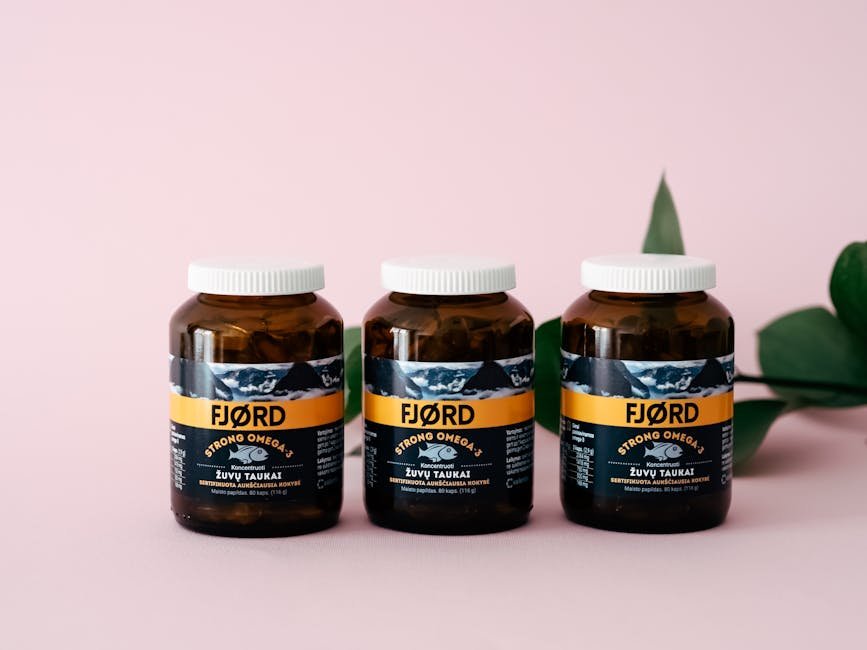
Given these considerations, some individuals on a vegan or plant-based diet may benefit from direct supplementation of EPA or DHA. Algal oil, derived from algae, is a suitable option for vegans as it provides a direct source of these essential fatty acids without animal products. It is important for individuals to assess their dietary lifestyle and consult with healthcare professionals to determine their specific needs regarding omega-3 intake.
Despite these concerns, consuming ALA-rich foods not only supports omega-3 levels but also provides a wealth of other nutrients beneficial for health. Integrating these foods into a daily diet can play a significant role in achieving a balanced intake of omega-3 fatty acids.
Conclusion: Embracing ALA for Optimal Health
In conclusion, ALA (alpha-linolenic acid) serves as a crucial component in the vegan diet, particularly for those seeking to incorporate enough omega-3 fatty acids without relying on animal-based sources. As a plant-based nutrient, ALA can be found abundantly in flaxseeds, chia seeds, walnuts, and hemp seeds, among others. These foods not only provide the essential fatty acid but also contribute a plethora of additional health benefits due to their rich nutrient profiles.
Exploring the various sources of ALA enhances dietary choices and allows for a balanced intake of nutrients necessary for optimal health. By including a variety of these foods in one’s daily meals, individuals can support heart health, reduce inflammation, and promote overall well-being. The best form of vegan or plant-based omega 3 is, therefore, ALA, which can be effortlessly integrated into different recipes, from smoothies to salads, providing both versatility and nutritional value.
Furthermore, adopting a diet rich in ALA can be particularly beneficial for individuals following a strict vegan lifestyle. It is essential to remain mindful of incorporating these sources regularly to ensure adequate omega-3 intake. By doing so, not only does one meet nutritional needs, but also contributes to enhanced health outcomes in the long run.
Thus, as the awareness around plant-based diets continues to grow, it becomes increasingly imperative to recognize the role of ALA and diversify food consumption accordingly. Embracing the variety of ALA-rich foods available can lead to a balanced and nourishing vegan diet.