








Understanding ProLon Fasting
ProLon is a unique fasting-mimicking diet designed to provide the benefits of fasting while still allowing some caloric intake. Developed by researchers, including Dr. Valter Longo, the ProLon diet consists of a carefully formulated meal plan that includes plant-based foods. This five-day program aims to activate the body’s natural regenerative processes and induces a state similar to fasting, promoting cellular health and longevity.
The purpose of ProLon is not only to initiate weight loss but also to provide metabolic benefits. By limiting caloric intake and utilizing specific macronutrient ratios, ProLon helps the body enter a state of ketosis, where fat becomes the primary energy source, instead of glucose. During this process, various physiological responses are triggered, including cell repair and rejuvenation, which – according to studies – can lead to improved health markers, including reduced inflammation and enhanced metabolic flexibility.
ProLon meals comprise a variety of foods, including soups, bars, snacks, and teas that are rich in vitamins and minerals but low in calories. This combination is designed to nourish the body while it is in a fasting state. The meal kit provides approximately 800 to 1100 calories a day, which is significantly lower than typical daily caloric needs. The carefully planned macronutrient ratios facilitate the desired physiological effects associated with fasting, helping to manage weight and promote overall health.
Understanding the framework of ProLon sets a crucial context for evaluating physical activity during this diet. While some may wonder, “can you exercise on ProLon?”, it is essential to grasp how the body reacts to fasting conditions. As we explore exercise during ProLon, it is vital to consider both the intended benefits of the diet and the potential impacts of physical activity on the fasting experience.
The Relationship Between Fasting and Exercise
Fasting has significant physiological effects on the body, particularly concerning how it interacts with exercise. When an individual embarks on a fasting regimen such as ProLon, the body enters a state of ketosis as blood glucose levels fluctuate. This shift occurs because, during fasting, the body depletes its available glucose stores and subsequently starts to utilize fat as a primary energy source. This process is crucial for achieving the desired metabolic benefits of fasting.
The effects of fasting on energy levels are essential to consider when planning physical activity. Engaging in vigorous exercise could stress the body during ProLon, which may not be advisable. Instead, light exercise can be beneficial as it allows for the utilization of available blood glucose without overly taxing the body. Activities like walking, yoga, and stretching are recommended during such a regimen. These forms of movement not only help maintain physical activity levels but also promote mobility and relaxation.
While light exercise aids in managing blood glucose levels, intense workouts might lead to increased fatigue and stress, which could undermine the fasting process. Ultimately, when considering can you exercise on ProLon?, it is essential to approach the topic with caution. Maintaining a balanced exercise regime that prioritizes body signals is key. Adequate hydration and rest play vital roles in this process, ensuring that the benefits of the fasting state are maximized, as overwhelming the body through intense physical activity can be counterproductive.
Why Intense Exercise is Not Recommended
Engaging in intense exercise while on the ProLon fasting program can have detrimental effects on the body. ProLon is specifically designed to promote cellular regeneration and metabolic health through a low-calorie, plant-based dietary approach that mimics fasting. During this time, the body’s energy sources become limited, which can lead to muscle depletion and increased fatigue if one engages in strenuous activities.
High-intensity workouts can trigger additional stress on the body, potentially counteracting the benefits one seeks to achieve from the ProLon regimen. When exercising vigorously, the body requires more energy, and if it has already entered a fasting state, it may struggle to meet these demands. The result can be a significant decrease in performance and an increased risk of injuries due to muscle fatigue and weakness.
Research suggests that while light activities such as walking, yoga, and stretching can enhance well-being during fasting, engaging in rigorous exercise can deplete blood glucose levels too quickly. This can disrupt the delicate balance of the fasting process and may hinder the transition into a ketogenic state, which is one of the goals of ProLon. Thus, while some proponents of fasting champion the benefits of incorporating moderate exercise, it is vital to understand that intense exercise is not beneficial during this specific fasting regimen. Working out in a way that respects the body’s current state—limiting oneself to light physical activities—can enhance the ProLon experience rather than detracting from it.
Light Exercise: What’s Safe and Effective?
Engaging in light exercise during ProLon is vital as it allows individuals to maintain physical activity without exerting excessive stress on their bodies. When considering can you exercise on Prolon?, it is crucial to focus on low-intensity activities that facilitate movement while complementing the fasting state induced by the ProLon regimen. Gentle activities, such as walking, yoga, and stretching, are not only safe but can also promote overall well-being.
Walking is perhaps one of the simplest and most accessible forms of light exercise, making it a preferred choice for many during fasting. It helps in using up available blood glucose while gradually transitioning the body into a state of ketosis. A leisurely stroll, whether it is in a park or around your home, can foster a sense of comfort and relaxation, providing both physical and mental benefits.
Yoga, with its focus on slow movements and deep breathing, is another excellent option. Various styles of yoga, particularly restorative or gentle yoga, can effectively support the body’s natural processes during fasting, such as relaxation, detoxification, and improved flexibility. Practicing specific yoga poses can also aid digestion and enhance feelings of calmness, making it a recommended activity during ProLon.
Additionally, gentle stretching can help relieve muscle tension and maintain flexibility. Incorporating a short stretching routine can activate circulation and ease the mind, thus contributing to a positive fasting experience. However, it is important to approach these activities with mindfulness, ensuring the intensity remains low and does not lead to discomfort or fatigue.
In conclusion, while exercise can help maximize the benefits of fasting, it is advisable to remain cautious and engage in light activities during ProLon. Keeping physical exertion to a minimum is key, so individuals should prioritize walking, yoga, and gentle stretching to support their health during this fasting period.
Listening to Your Body: The Key to Exercise During Fasting
When undertaking a fasting regimen such as ProLon, it is crucial to maintain a heightened awareness of your body’s signals. Integrating exercise into your fasting routine must be approached with caution and mindfulness. During ProLon, while exercise can indeed help use up available blood glucose and facilitate a transition into a ketogenic state, it is essential to recognize that not all forms of exercise are appropriate. The body, while fasting, can become sensitive to exertion, meaning vigorous workouts may lead to undue stress.
It is advisable to engage in light activities that align with your energy levels. Gentle exercises like walking, yoga, and stretching can promote circulation and help manage stress without overexerting the body. These forms of movement not only assist in maintaining physical health but also encourage mental clarity, which can be particularly beneficial during the ProLon period.
Listening to your body means actively monitoring your physical responses during and after exercise. Watch for signs of fatigue, such as unusual breathlessness, dizziness, or muscle soreness. If any of these signals arise, it is pertinent to scale back or modify your exercise routine accordingly. Remember that the objective of exercising while on ProLon is to enhance well-being, not to induce further strain.
In summary, maintaining a balanced exercise routine while fasting on ProLon involves being in tune with your body’s needs. Adopting a gentle approach to physical activity can yield favorable results without compromising your fasting goals or overall health. The role of exercise during fasting hinges on moderation and mindfulness, ensuring that your body remains supported throughout the process.
Incorporating Movement into Your ProLon Routine
When engaging with ProLon, the focus is primarily on nourishing the body while promoting fasting. Yet, maintaining gentle movement is essential for overall well-being during this period. A key consideration is to align exercise with the body’s needs and energy levels. On ProLon, it is advisable to refrain from vigorous workouts, as intense exercise can stress the body. Therefore, can you exercise on ProLon? Yes, but with caution and a focus on lighter activities.
One effective way to incorporate movement into your ProLon routine is through daily walks. Setting aside time for a leisurely stroll not only elevates mood but also aids in using up available blood glucose, helping transition the body into a ketogenic state. Walking outdoors can provide the added benefit of fresh air, which can enhance your overall well-being while on ProLon.
In addition to walking, integrating yoga sessions into your daily schedule can promote relaxation and mindfulness. Gentle yoga routines, which focus on stretching and breathing, can be particularly beneficial. They enable the body to remain active without imposing the stress that accompanies more intense forms of exercise. Yoga can also assist in reducing cravings or discomfort that may arise during fasting.
Furthermore, incorporating basic stretching routines can be easily performed at home. Simple stretches focusing on different muscle groups can help alleviate tension and keep the body flexible. Emphasizing slow and controlled movements allows one to remain connected to the body’s signals while minimizing fatigue.
By prioritizing light activities such as walking, yoga, and stretching, individuals can effectively incorporate movement into their ProLon experience. This approach ensures that the body’s integrity is maintained while fully benefiting from the unique advantages of fasting.
Benefits of Light Exercise on ProLon
Engaging in light exercise while on ProLon can provide several benefits that enhance the overall experience of fasting. During a fasting state, the body undergoes significant changes, and incorporating moderate activities can facilitate these adaptations. One of the key advantages of light exercise is the improvement in mood. Physical activity, even at a low intensity, releases endorphins that can alleviate feelings of irritability or fatigue often associated with fasting.
Moreover, light activity such as walking or gentle yoga promotes better circulation throughout the body. Improved blood flow can help deliver essential nutrients to cells and remove metabolic waste more efficiently. This can be particularly beneficial during ProLon, as your body is adapting to lower energy intake while still requiring a steady supply of blood glucose for optimal functioning.
Additionally, maintaining a routine of light exercise can enhance metabolic function, which is crucial during fasting. While intense workouts might stress the body and should be avoided on ProLon, lighter forms of movement can help utilize available blood glucose effectively. This transition into a ketogenic state can be facilitated by walking or stretching, as these activities can promote fat oxidation, aiding the body’s adaptation to fasting.
In conclusion, light exercise during ProLon fasting can lead to improved mood, enhanced circulation, and better metabolic function. By choosing activities such as walking or yoga, one can maximize the benefits of fasting while avoiding the detrimental effects of vigorous exercise. Therefore, light activity is not only acceptable but also recommended while on ProLon, as it helps maintain overall well-being during this unique dietary approach.
Real-Life Experiences: Testimonials on Exercise and ProLon
Many individuals embarking on the ProLon fasting journey have shared their experiences of integrating light exercise into their routines. One such testimony comes from Sarah, a 34-year-old fitness enthusiast. During her five-day ProLon experience, she opted for daily walks and gentle yoga sessions. Sarah reported that engaging in light exercise helped her manage stress while still respecting the body’s need for rest and recovery during fasting. She emphasized how these activities made her feel invigorated rather than exhausted, which is crucial given the slim calorie intake during ProLon.
Similarly, John, a 42-year-old office worker, spoke about his proactive approach to maintaining wellness while on ProLon. He incorporated stretching exercises into his daily routine, noting that they provided him with a feeling of flexibility and comfort. John found that keeping active with gentle movements not only helped him stay engaged but also eased his mind when facing the challenges of fasting. He expressed that by understanding the balance between exercise and rest, he could better enjoy the myriad benefits of ProLon.
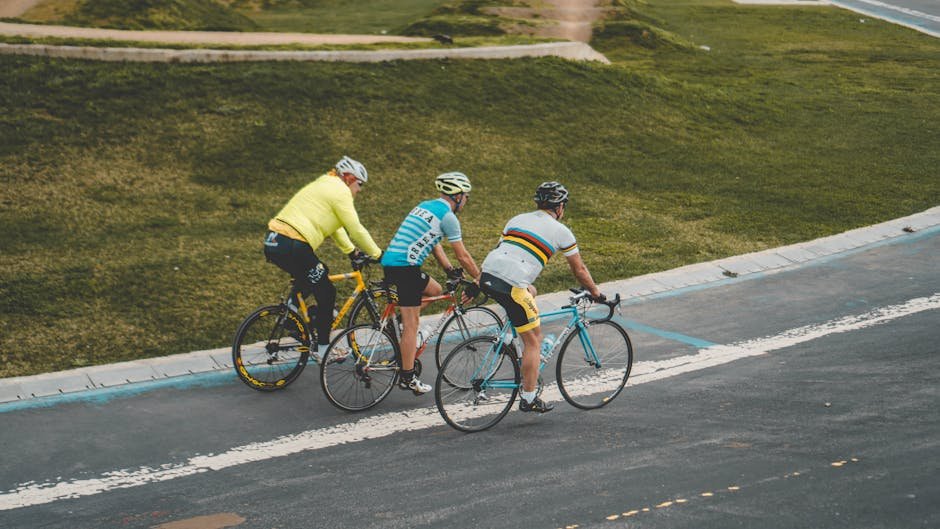
Conversely, Jessica, a 28-year-old athlete, initially attempted her regular high-intensity workout regimen but quickly learned that vigorous exercise did not align well with her fasting state on ProLon. She faced fatigue and discomfort, which prompted her to modify her routine to include only light activities. Jessica’s experience underscores the importance of listening to one’s body during fasting. She also highlighted that engaging in light exercises such as swimming and leisurely biking provided the necessary movement while being mindful of her energy levels.
These testimonies reflect a common theme among those who have successfully navigated ProLon while integrating light exercise: a balanced approach tailored to individual energy levels and overall well-being is key. So, while it is encouraged to stay active, it is imperative to engage in light, enjoyable activities without pushing the body’s limits, enabling one to fully benefit from the ProLon experience.
Conclusion: Finding Balance During ProLon
Finding a balance between fasting and exercise is crucial when undertaking the ProLon program. As emphasized throughout this discussion, engaging in vigorous exercise during ProLon is not advisable, as it can induce stress on the body. Instead, individuals are encouraged to maintain light activity while on this fasting journey. Activities such as walking, yoga, and stretching allow for movement without disrupting the fasting state.
The main objective of ProLon is to promote health benefits associated with fasting, which can include improved metabolic health and a shift towards a ketogenic state. While you can exercise on ProLon, it is essential to recognize that intense workouts could lead to an overwhelming sensation, potentially hindering the fasting experience. Light forms of exercise can help utilize available blood glucose effectively while supporting the body’s transition into beneficial fasting processes.
Ultimately, choosing the appropriate type of physical activity while participating in the ProLon program will greatly contribute to overall success. Prioritize your well-being by focusing on gentler, restorative movements that align with your body’s needs during this time. By taking this balanced approach, you can enhance your fasting experience without compromising your health. Remember, while exercise can play a role in your fasting journey, it is essential to listen to your body and adjust your activity levels accordingly to ensure a harmonious balance is maintained.