









Understanding the 1200 Calorie Diet
The 1200 calorie diet is a significantly calorie-restricted eating plan, primarily aimed at individuals seeking weight loss. The basic premise centers around creating a calorie deficit, which is essential for shedding excess weight. By limiting daily caloric intake to 1200 calories, individuals often experience a decrease in weight, assuming their caloric needs exceed this intake.
This approach to dieting is typically used by those who have a lower baseline metabolic rate or who are advised to pursue rapid weight loss under guided conditions. It is crucial to note, however, that this caloric limit is quite low and often insufficient for sustaining long-term energy levels or providing necessary nutrients. Thus, the implementation of a 1200 calorie diet should ideally be supervised by healthcare professionals, such as doctors or dietitians, who can provide personalized assessments and recommendations.
Individuals who might consider this type of diet often fall within specific categories, such as those with significant amounts of weight to lose or individuals preparing for medical procedures that require weight loss. However, potential dieters should remain aware of varying individual factors that could affect outcomes, including starting weight, metabolism, and physical activity levels. While some may achieve losing 30 pounds on a 1200 calorie diet within about 3 to 6 months—maintaining a safe loss of 1-2 pounds per week—these timelines can differ greatly between individuals.
A significant concern related to prolonged adherence to a 1200-calorie diet is its capacity to deliver adequate nutrition. As the caloric intake is substantially lower than the typical recommendations, there is a heightened risk of nutrient deficiencies over time. Therefore, ensuring a varied intake that prioritizes essential food groups is necessary to mitigate these concerns, thus reinforcing the need for professional guidance while engaging in calorie-restricted diets.
Calculating Weight Loss: Weekly Goals
Understanding weight loss involves grasping the concept of calorie deficit. To lose weight, a person must consume fewer calories than the body expends. It is generally accepted that a deficit of approximately 3500 calories results in the loss of one pound of body fat. Therefore, to achieve a loss of 1-2 pounds per week, one would need to create a weekly deficit of 3500 to 7000 calories, which translates to about 500 to 1000 calories per day.
A 1200 calorie diet is often proposed as a method for attaining this caloric deficit. When following a 1200 calorie plan, depending on the individual’s basal metabolic rate (BMR) and activity level, it may become feasible to reach this goal of losing weight. However, it is crucial to emphasize that such a low-calorie intake may not be adequate for everyone and can lead to nutrient deficiencies. Therefore, monitoring the body’s reactions and consulting with healthcare professionals is vital when adopting such a restrictive diet.
When aiming to understand how long will it take to lose 30 pounds on a 1200 calorie diet, many find that losing 30 pounds on a 1200-calorie diet could take roughly 3 to 6 months, assuming a steady loss of 1-2 pounds per week. This timeline can vary significantly based on individual factors such as starting weight, metabolism, and overall activity levels. Initially, many may experience rapid weight loss, primarily due to water loss; however, this typically stabilizes as the diet progresses.
Therefore, while a 1200 calorie diet may facilitate weight loss, it is critical to approach it with caution to ensure longevity in results and overall health. Personalized plans crafted with the assistance of a dietitian can aid in avoiding pitfalls associated with rapid weight loss, including weight regain.
Individual Factors in Weight Loss
Losing weight is a complex process influenced by various individual factors, making the question of how long it will take to lose 30 pounds on a 1200 calorie diet nuanced. The starting weight of an individual plays a crucial role in determining the duration of weight loss. Heavier individuals may experience faster initial weight loss due to a higher basal metabolic rate (BMR), which requires more energy to maintain their body functions. Conversely, those starting at a lighter weight may encounter slower progress.
Age is another contributing factor, as metabolism typically slows with increasing age. Older adults may find it more challenging to lose weight compared to younger individuals, leading to variations in the timeline for losing 30 pounds on a 1200-calorie diet. Furthermore, gender differences in metabolism and body composition can also affect weight loss; males tend to have more muscle mass, leading to a higher rate of calorie burning compared to females.
Another vital element is the individual’s metabolism, which can vary significantly. Factors such as hormonal balance, genetics, and overall health can play a major role in metabolism efficiency. This can result in differences in how quickly calories are burned, meaning that some people may find that, despite adhering to a 1200-calorie diet, they experience slower weight loss than expected.
Activity level must also be considered. Individuals who engage in regular exercise can create a larger calorie deficit, resulting in faster weight loss. In contrast, sedentary individuals may find it more challenging to lose weight while on a 1200-calorie diet. Because of these variances, a personalized approach to dieting is important, as it considers an individual’s specific circumstances, ensuring that the weight loss journey is not only effective but also sustainable.
The Role of Water Weight in Initial Weight Loss
When embarking on a low-calorie diet such as a 1200-calorie plan, individuals often experience a significant drop in weight during the initial stages, primarily attributed to the loss of water weight. This phenomenon occurs as the body begins to adapt to a calorie deficit, utilizing glycogen stores for energy. Glycogen, the stored form of glucose, binds to water in the body; hence, when glycogen is depleted, water is released, leading to a rapid decrease on the scale.
This initial phase of losing up to several pounds in a week can be encouraging, as many may inquire, “how long will it take to lose 30 pounds on a 1200 calorie diet?” The early drop is often perceived as a motivational boost. However, it is essential to understand that while it may seem that losing 30 pounds on a 1200-calorie diet could be within reach, this rapid weight loss is mostly temporary and not representative of sustainable fat loss.
As individuals continue on the 1200-calorie diet, this initial dramatic loss typically stabilizes, and the rate of weight loss may slow down to a more realistic pace of 1-2 pounds per week. Factors such as individual metabolism, starting weight, and overall activity level play a crucial role in how attainable this is. With time, the body adapts to reduced caloric intake, and the rapid water loss diminishes, making the pounds harder to shed.
Ultimately, while the scale may reflect a prompt initial loss, the weight lost predominantly from water is unsustainable and should be approached with caution. Therefore, for lasting weight management, it is advisable to consider a more balanced dietary approach combined with physical activity rather than solely focusing on the rapid initial weight loss patterns.
Nutritional Adequacy of a 1200 Calorie Diet
A 1200 calorie diet is often considered a very low-calorie intake and may lead to significant weight loss. However, when it comes to losing 30 pounds on a 1200-calorie diet, it is crucial to maintain nutritional adequacy. This type of diet can potentially result in deficiencies in essential vitamins and minerals if not properly managed. It is imperative that individuals on such a restrictive diet make well-informed food choices that prioritize nutrient density.
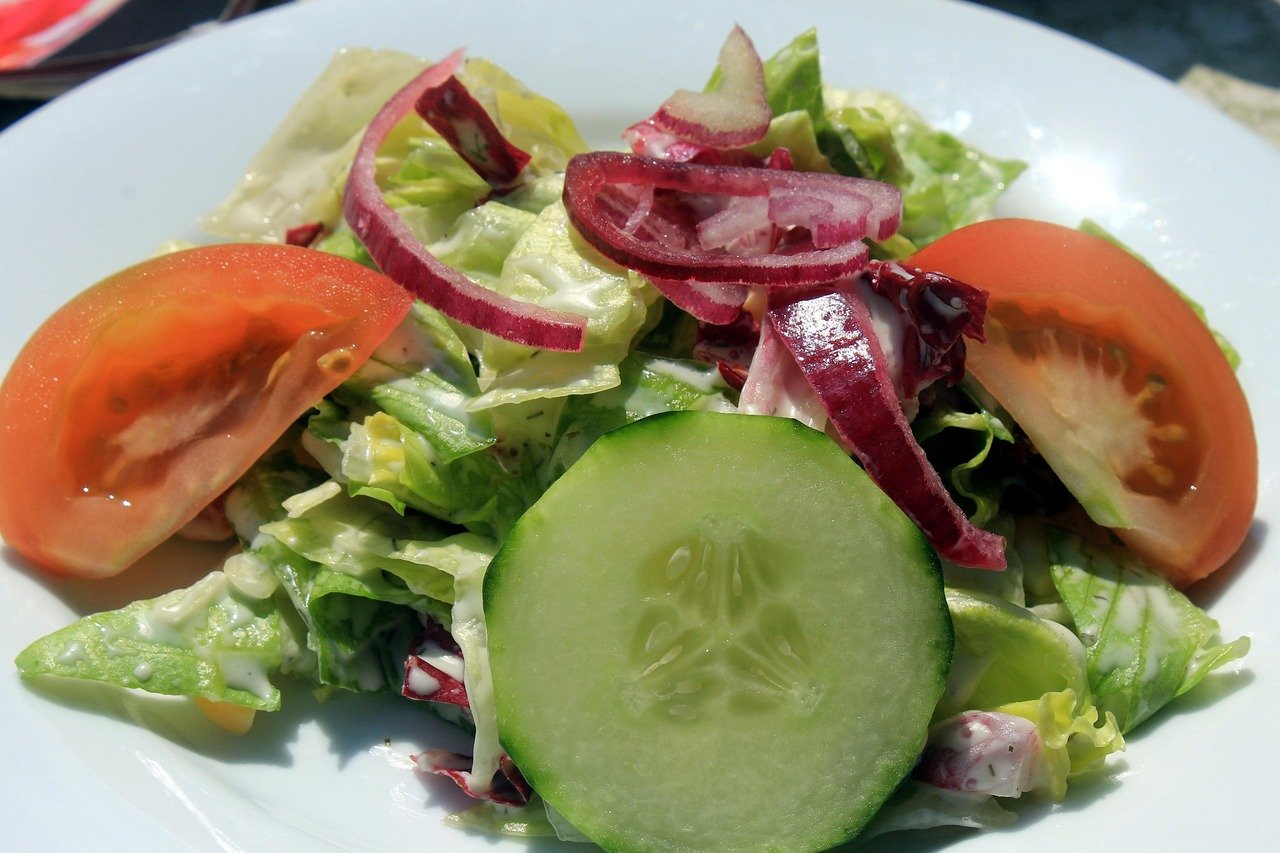
To combat nutrient deficiencies, meals should include a variety of food groups. Incorporating colorful fruits and vegetables ensures an adequate intake of vitamins, while whole grains can provide necessary fiber and energy. Furthermore, incorporating protein sources, such as lean meats, fish, legumes, and dairy, is essential for muscle maintenance and overall health during the weight-loss journey.
Moreover, it is important to recognize that losing 30 pounds on a 1200-calorie diet could take roughly 3 to 6 months, primarily based on the safe recommendation of losing 1-2 pounds per week. This rate of weight loss aligns with the need to sustain one’s energy levels while adhering to a low-caloric intake. However, initial rapid weight loss often includes water reduction, followed by a more gradual rate as the body adjusts to the diet.
Consultation with health professionals, such as doctors or dietitians, is vital when embarking on a 1200-calorie diet. They can assist in creating a personalized, safe plan that balances caloric restriction with nutritional needs. Rapid weight loss can lead to regaining the lost weight, making the focus on sustainable practices even more essential.
Risks of Rapid Weight Loss
Losing weight at a rapid pace can seem appealing, particularly when motivated by the goal of shedding 30 pounds on a 1200-calorie diet. However, it is essential to understand the significant risks associated with such an approach. One of the primary concerns is metabolic slowdown, which can occur when the body adapts to a lower calorie intake. This adaptation affects the body’s ability to burn calories efficiently, leading to a plateau in weight loss that can be frustrating for individuals.
Moreover, losing weight too quickly can result in muscle loss. When the body does not receive adequate calories, it may begin to metabolize muscle tissue for energy, rather than fat. This loss of lean muscle mass can negatively impact overall health and diminish the body’s resting metabolic rate, making future weight management even more challenging.
Another critical risk to consider is the potential for weight regain after the diet concludes. Many individuals who follow an extreme low-calorie regimen may experience an initial rapid drop in weight mainly due to water loss. As they return to regular eating habits, there is a strong possibility of rebound weight gain, especially if the individual has not developed sustainable eating behaviors. Studies indicate that significant fluctuations in weight can harm self-esteem and contribute to disordered eating patterns, adversely affecting mental health.
Lastly, while aiming for losing 30 pounds on a 1200-calorie diet may seem feasible, it is vital to consult with healthcare professionals. A doctor or dietitian can provide a personalized and sustainable weight loss plan that mitigates these risks, ensuring a healthier journey towards weight loss. Successfully navigating this journey involves more than just calorie restriction; it encompasses a holistic approach to health and well-being.
Consulting Healthcare Professionals
When embarking on a weight loss journey, particularly one as significant as losing 30 pounds on a 1200 calorie diet, it is vital to consult with healthcare professionals. A doctor or registered dietitian can provide invaluable insights tailored to individual health conditions and dietary needs. They are equipped to assess personal health status, recommend a sustainable approach, and provide a weight-loss plan that takes into consideration essential nutritional requirements.
The process of losing weight on a low-calorie diet should not be undertaken lightly. A 1200-calorie level is notably low, making it crucial to ensure that the body receives adequate nutrients to maintain overall health. Healthcare professionals can help in identifying potential risks associated with such a restrictive caloric intake and help individuals understand whether this extreme approach is suitable or safe for them.
Moreover, consulting with these experts allows for continuous monitoring of health throughout the weight-loss journey. Regular check-ins can help track progress and make necessary adjustments to the diet or exercise regime. This is particularly important as losing 30 pounds on a 1200-calorie diet could take roughly 3 to 6 months, depending on individual factors such as starting weight, metabolism, and activity level. Individuals may initially experience rapid water loss, but this may slow down as one progresses. Therefore, regular professional guidance can help in navigating these fluctuations safely.
In conclusion, seeking advice from healthcare professionals when considering how long it will take to lose 30 pounds on a 1200 calorie diet ensures a personalized and safe approach to weight loss. This support can greatly improve the chances of achieving lasting results while minimizing the risk of health complications or weight regain.
Realistic Expectations and Long-Term Maintenance
When embarking on a journey to lose weight, specifically how long will it take to lose 30 pounds on a 1200 calorie diet?, setting realistic expectations is imperative. The timeline for losing this amount of weight can range from approximately 3 to 6 months when following a typical guideline of losing 1-2 pounds per week. However, it is important to understand that individual factors such as starting weight, metabolic rate, and level of physical activity can significantly influence this rate of weight loss.
Initially, individuals may experience rapid weight loss due to water loss from the body, especially in the early stages of a 1200-calorie diet. As the diet progresses, this rapid loss is generally followed by a slower pace, often due to factors such as decreased caloric intake causing the body to adapt. Therefore, while one may initially find it easier to lose weight, the latter phases can become more challenging.
Transitioning from a weight loss phase to a maintenance phase requires careful planning and a shift in mindset. Sustainable weight management often involves making long-term lifestyle changes rather than relying on quick fixes. Establishing a balanced diet, incorporating regular physical activity, and adopting healthy habits are crucial strategies that can assist in maintaining weight after reaching a goal.
In addition, it is essential to remain vigilant about one’s caloric intake to prevent weight regain, as reverting to former unhealthy eating patterns can result in regaining lost pounds. Consulting healthcare professionals, such as doctors or registered dietitians, can provide valuable insights into creating a personalized, sustainable approach to weight maintenance.
Conclusion and Next Steps
In this discussion about how long it will take to lose 30 pounds on a 1200 calorie diet, it is essential to reflect on the personalized nature of weight loss. While losing 30 pounds on a 1200-calorie diet could take roughly 3 to 6 months, this varies significantly based on individual factors such as starting weight, metabolism, and activity level. Initially, individuals may experience rapid water weight loss, but this will typically slow down as they progress, transitioning to a more steady weight reduction rate.
A 1200-calorie diet is notably low and may not provide adequate nutrients for everyone. Consequently, it is crucial to consult a healthcare professional or a dietitian before embarking on such a restrictive eating plan. Their expertise can assist in designing a personalized, sustainable weight loss strategy that aligns with both your health needs and lifestyle.
Furthermore, it is important to recognize that rapid weight loss often leads to regaining the lost weight. Therefore, adopting a balanced approach, which involves gradual changes in dietary habits along with regular physical activity, will enhance the likelihood of maintaining weight loss in the long term.
As you consider taking the next steps in your weight loss journey, remember to set realistic goals and timelines while prioritizing your overall health and well-being. Equip yourself with the knowledge and resources that can help you succeed, and stay mindful of the potential challenges along the way. Each person’s journey is unique, and understanding this can lead to a more enriching and effective experience.