









Understanding Low-Carb Diets
Low-carb diets have gained popularity as an effective approach for weight management and improved metabolic health. The primary premise behind these diets is to significantly reduce carbohydrate intake while emphasizing foods that are higher in protein and healthy fats. Traditional dietary guidelines usually advocate for a balanced diet rich in carbohydrates, primarily from whole grains, fruits, and vegetables. In contrast, low-carb diets encourage individuals to limit these food groups, focusing instead on low-carbohydrate alternatives.
The reduction in carbohydrate consumption can lead to several physiological benefits, including enhanced fat burning, stabilized blood sugar levels, and improved energy levels. By lowering carbohydrate intake, individuals often experience a decrease in insulin levels, prompting the body to utilize stored fat as its primary source of energy. This metabolic shift can be particularly advantageous for those looking to lose weight or maintain a healthy weight over time.
Besides weight management, many people adopt low-carb diets for potential health benefits associated with metabolic disorders. Research suggests that decreasing carbohydrate intake may assist in managing conditions such as type 2 diabetes by improving insulin sensitivity. Additionally, some individuals report increased focus and mental clarity when adhering to a low-carb regimen, possibly due to reduced spikes in energy that are often seen with high-carb meals.
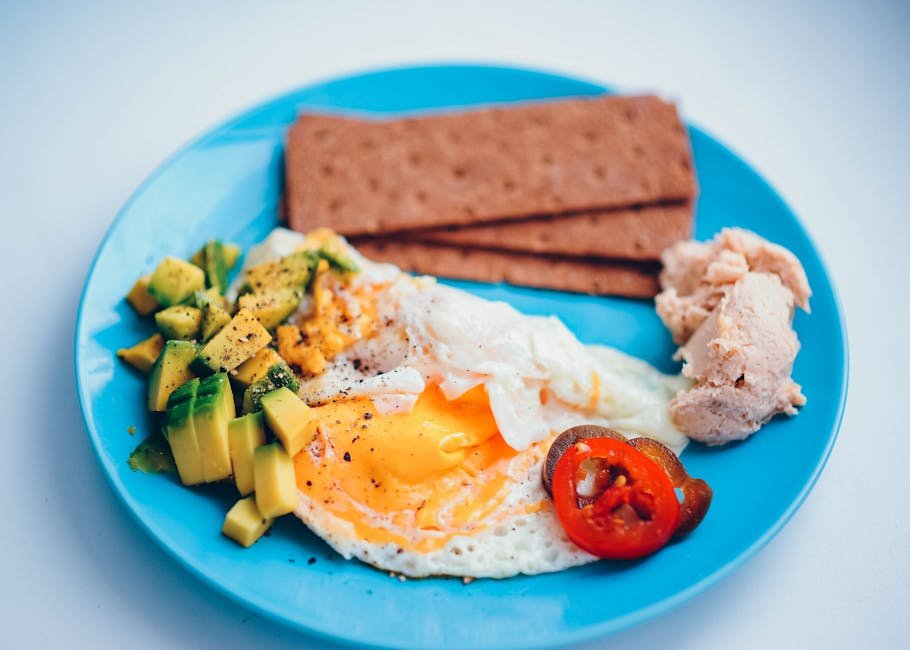
By selecting nutrient-dense, low-carb foods, individuals can create satisfying meals that align with their dietary preferences. For breakfast options, a variety of low-carb ideas exist, such as eggs prepared in different ways, smoked salmon, or high-fat dips like cream cheese and guacamole. With an increasing number of resources and recipes available, individuals can thrive on a low-carb diet while enjoying delicious meals.
Why Breakfast is Important
Breakfast is often referred to as the most important meal of the day, and for good reason. Initially breaking the overnight fast, breakfast replenishes the body’s supply of glucose while providing essential nutrients needed for optimal functioning throughout the day. A nutritious breakfast can significantly impact energy levels, enhance cognitive function, and contribute to better overall health.
Consuming a well-rounded breakfast rich in macronutrients can jumpstart metabolism and set the tone for healthier food choices later in the day. Studies suggest that individuals who partake in breakfast tend to have better concentration, improved memory, and heightened alertness compared to those who skip this essential meal. Furthermore, research indicates that for those following a low-carb diet, such as those pondering what can I eat for breakfast that’s low in carbs?, there are ample options that can provide the necessary energy without the excess carbohydrates.
However, many people frequently make the mistake of skipping breakfast, believing it may aid in weight loss or time management. This approach can lead to decreased performance during daily activities, heightened feelings of hunger, and an increased likelihood of overeating later in the day. Moreover, skipping breakfast can result in poor nutrient intake and may adversely affect metabolic health.
Incorporating foods such as eggs, either boiled or scrambled, can offer significant protein benefits; while options like smoked salmon provide a rich source of omega-3 fatty acids. Other viable low-carb breakfast ideas include high-fat dips like cream cheese or guacamole, plant-based alternatives such as tofu, or even the classic choice of bacon, which is both satisfying and aligns with a low-carb diet. Through thoughtful planning, a nutritious breakfast can support sustained energy levels and reinforce healthy eating habits.
Eggs: A Versatile Low-Carb Choice
When contemplating options for a low-carb breakfast, eggs stand out as a highly versatile choice that can be prepared in numerous ways to suit various tastes. Rich in protein, vitamins, and essential nutrients, eggs not only provide a satisfying meal but also contribute to maintaining energy and supporting overall health.
One popular method of preparing eggs for breakfast is boiling. Boiled eggs can be made in advance, making them a practical option for busy mornings. They are portable and require little preparation time, allowing for easy inclusion in a low-carb breakfast strategy. Another delightful option is scrambled eggs, which can be customized with various additions such as cheese, herbs, or leafy greens to enhance flavor and nutrition.
For those seeking a more substantial breakfast, a frittata presents an excellent choice. This baked egg dish allows for creativity, as it can incorporate various vegetables, such as bell peppers, onions, or spinach, along with protein sources like meat or cheese. The result is a filling meal that can be enjoyed fresh or reheated, offering flexibility for individuals with a busy schedule.
Including eggs in your breakfast routine not only aligns with low-carb diet principles but also yields several health benefits. Eggs are a significant source of high-quality protein, which plays a crucial role in muscle repair and maintenance. Additionally, they contain vital nutrients, such as choline, which is important for brain health. Thus, the question of what can I eat for breakfast that’s low in carbs?, can often be effectively answered with a variety of egg-based dishes that are both satisfying and nutritious. In conclusion, eggs can be an excellent foundation for various low-carb breakfast ideas, ensuring a delicious start to the day.
Smoked Salmon: A Protein-Packed Delight
When considering what can I eat for breakfast that’s low in carbs?, smoked salmon emerges as an exceptional choice. This nutrient-dense fish is not only delicious but also remarkably beneficial for overall health. Rich in high-quality protein, smoked salmon offers a satisfying start to the day without contributing to excessive carbohydrate intake. Each serving typically contains about 18 grams of protein, which can help promote satiety and support muscle health.
One of the standout features of smoked salmon is its impressive omega-3 fatty acid content. Omega-3s are known for their anti-inflammatory properties and are essential for maintaining heart health. Regular consumption of these fatty acids may reduce the risk of heart disease and promote overall cardiovascular wellness. This makes smoked salmon not only a flavorful addition to breakfast but also a heart-healthy one.
To enjoy smoked salmon as part of a low-carb breakfast, consider pairing it with cream cheese on a bed of fresh greens. This combination not only enhances flavor but also adds a creamy texture that complements the fish’s natural richness. For a gourmet touch, serve it alongside capers and diced red onions to elevate the presentation and taste profile.
Another delicious option is to include smoked salmon in an egg-based dish. Whether it’s scrambled eggs or a frittata, the addition of salmon lends a smoky flavor that contrasts beautifully with the eggs, turning a simple breakfast into a luxurious meal. For those seeking a plant-based option, tofu scrambled with spices and topped with smoked salmon provides a creative twist while still being low in carbs.
Incorporating smoked salmon into your breakfast routine not only satisfies cravings but also aligns perfectly with low-carb dietary preferences. With its abundant nutrients and versatility, it stands as an excellent choice when pondering what can I eat for breakfast that’s low in carbs?
High-Fat Low-Carb Dips: Cream Cheese and Guacamole
When seeking out delicious low-carb breakfast options, high-fat dips such as cream cheese and guacamole serve as excellent accompaniments. These dips not only enhance the flavor profile of your breakfast but also align with the low-carb dietary preferences many individuals adopt today. Cream cheese, known for its smooth texture, is a versatile option that can be used as a spread on a variety of low-carb breads or as a dip for fresh vegetables.
To prepare a simple cream cheese dip, one can start with plain cream cheese, allowing it to soften at room temperature. Incorporating herbs such as chives or dill, along with a sprinkle of garlic powder, can elevate its taste. This blend pairs remarkably well with bell pepper slices, cucumber sticks, or even slices of turkey or ham, creating a satisfying low-carb breakfast plate. Additionally, due to its high-fat nature, cream cheese supports prolonged satiety throughout the morning.
On the other hand, guacamole is a famous dip made primarily from ripe avocados. Rich in healthy fats and packed with nutrients, guacamole can be easily prepared by mashing avocados and mixing in lime juice, diced tomatoes, onions, and cilantro. Not only does this flavorful dip make a great companion for meals, but it can also be served alongside scrambled or boiled eggs, enhancing the overall breakfast experience.
In summary, both cream cheese and guacamole offer delightful high-fat, low-carb options for breakfast. They can be paired with various low-carb dippers to create a holistic meal. With these dips, the question, “What can I eat for breakfast that’s low in carbs?” finds a satisfying answer. Include these dips in your breakfast repertoire for a fulfilling start to your day.
Tofu: A Plant-Based Low-Carb Alternative
Tofu is an increasingly popular choice for those seeking low-carb breakfast ideas, particularly among individuals following plant-based diets. Known for its high protein content and versatility, tofu can be prepared in various ways to suit different tastes and preferences. The neutral flavor of tofu allows it to absorb seasonings and spices, making it an excellent ingredient for a hearty morning meal.
One of the simplest ways to prepare tofu is to scramble it, akin to scrambled eggs. By crumbling firm tofu into a pan and sautéing it with a bit of olive oil, you can create a quick and nutritious dish. Adding spices such as turmeric, garlic powder, and black salt enhances the taste and provides a vibrant yellow hue, resembling traditional scrambled eggs. Pairing this dish with sautéed vegetables, such as spinach or bell peppers, adds texture and additional nutrients.
Another enjoyable method to prepare tofu is by making a tofu frittata. This can be achieved by blending silken tofu with herbs, nutritional yeast, and other desired ingredients before baking it in the oven. The frittata can be customized with various ingredients such as diced tomatoes, green onions, or even smoked salmon to provide additional flavors while keeping the meal low in carbohydrates.
Dipping tofu cubes into high-fat, low-carb sauces, such as guacamole or a creamy tahini dressing, is another delicious option. These dips not only enhance the flavor but also offer healthy fats that promote satiety. For a heartier breakfast, consider incorporating baked tofu slices alongside crispy bacon, allowing for a savory combination that is both satisfying and nutritious.
Bacon: A Crispy Classic
Bacon has long held a place of prominence in the breakfast arena, admired for its irresistible combination of crispy texture and savory flavor. For those adhering to a low-carb lifestyle, bacon is a fitting option, effectively fitting the criteria of what can I eat for breakfast that’s low in carbs?. With minimal carbohydrates and a high-fat content, bacon serves as a deliciously satisfying choice that can complement various low-carb meals.
One of bacon’s most appealing attributes is its versatility. It can be enjoyed on its own, or incorporated into other dishes, making it an excellent addition to low-carb breakfast ideas. Whether you opt for classic fried bacon, crispy baked strips, or even crumbled bacon on top of a spinach and feta omelet, the possibilities are endless. Furthermore, the use of bacon in a breakfast frittata can elevate the meal, providing additional textures and flavors that enhance its overall appeal.
When considering the nutritional profile of bacon, it is important to note that it is rich in protein and fat, which contributes to a feeling of fullness and satiation. A standard serving of cooked bacon typically contains about 42 calories, 3 grams of protein, and 3 grams of fat, while having virtually no carbohydrates. This makes it a readily accessible choice for those seeking a low-carb breakfast option.
For optimal results when preparing bacon, consider utilizing techniques such as oven baking to achieve a consistently crispy texture without excess oil. Additionally, pairing bacon with other high-fat, low-carb dips such as cream cheese or guacamole can further enrich your breakfast experience, allowing for diverse flavor combinations while maintaining dietary goals.
Combining Low-Carb Breakfast Foods
Creating a balanced breakfast that is both satisfying and low in carbohydrates requires strategic planning and creativity. One effective approach is to combine a variety of low-carb ingredients to enhance flavor and nutritional value.
For example, consider pairing boiled eggs with slices of smoked salmon. This combination not only provides a robust source of protein but also incorporates healthy omega-3 fatty acids from the salmon, making it an excellent start to your day. If you prefer a heartier meal, scrambled eggs mixed with smoked salmon can be further enhanced by adding fresh herbs or a sprinkle of cheese.
Incorporating high-fat, low-carb dips such as guacamole or cream cheese can elevate your breakfast experience. These dips can be enjoyed with vegetable sticks such as celery or cucumber, creating a refreshing contrast and additional texture on your plate. The creamy nature of these dips also makes them a delightful complement to eggs or tofu, offering substantial flavor without compromising your carb intake.
Another appealing combination is tofu, prepared as a scramble or frittata, mixed with spices and vegetables. This plant-based approach is suitable for those looking for variety, particularly for individuals following vegetarian or vegan diets. Combine tasty ingredients like bell peppers, spinach, and spices to craft a delightful and nourishing breakfast.
Bacon remains a classic breakfast favorite; pairing it with scrambled eggs or using it as a wrap for avocado adds richness to your morning meal. Remember to mind your portions as you combine these ingredients, ensuring balance in your meal without exceeding your desired daily carb limits.
Tips for Meal Prepping Low-Carb Breakfasts
Meal prepping is an excellent strategy for maintaining a low-carb diet, particularly for breakfast, when time is often limited. Organizing your breakfast options in advance can prevent last-minute decisions that may lead to higher-carb choices. Here are several practical tips for meal prepping low-carb breakfasts that will save you time while keeping you on track.
First, consider batch-cooking a base for your breakfasts. Eggs are a fantastic choice; they can be boiled, scrambled, or made into a frittata and stored in the refrigerator for several days. A frittata can include your favorite low-carb vegetables, like spinach or bell peppers, providing both flavor and nutrition. For those seeking variety, preparing smoked salmon is also a great option. This fish not only contributes a wonderful taste but delivers high protein and omega-3 fatty acids.
In addition to proteins, think about incorporating high-fat, low-carb dips that you can pair with your meals. Options like cream cheese or guacamole can add creaminess and flavor, enhancing your otherwise basic breakfast routine. To maintain variety, you might consider introducing tofu as a plant-based, low-carb alternative to eggs, which can also be seasoned and prepared in many ways.
To make mornings even easier, invest in quality storage containers. Choose containers that separate various components of your meals so that you can quickly grab a serving of cooked eggs or a portion of bacon along with a low-carb dip on busy mornings. This approach reduces assembly time while ensuring that each meal is delicious and satisfying.
By thoughtfully preparing your low-carb breakfast options in advance, you can greatly reduce the stress of morning meals, enabling you to stick to your dietary goals without compromising on flavor or satisfaction.
Conclusion: Embracing a Low-Carb Breakfast Routine
Incorporating a low-carb breakfast into your daily routine can be both rewarding and beneficial for your health. As discussed, there are numerous options available that not only satisfy hunger but also provide essential nutrients. From versatile eggs, which can be enjoyed boiled, scrambled, or even as a frittata, to nutrient-dense smoked salmon loaded with protein and omega-3 fatty acids, the variety is impressive.
Additionally, high-fat, low-carb dips like cream cheese or guacamole serve as excellent accompaniments to your meals, enhancing flavor without sacrificing your dietary goals. For those preferring plant-based alternatives, tofu presents a worthy substitute for traditional breakfast items, offering a low-carb option that can be crafted into a myriad of dishes.
The timeless classic of crispy bacon not only fits seamlessly into a low-carb breakfast but also brings a satisfying crunch that many find appealing. These options collectively illustrate that a nutritious morning meal does not have to be bland or repetitive.
Ultimately, the key to maintaining a sustainable low-carb breakfast routine lies in experimentation. By trying different combinations of ingredients, you can discover what works best for your palate and lifestyle. Don’t hesitate to explore various recipes and find enjoyable low-carb breakfast ideas that you look forward to each morning. By doing so, you are likely to enhance your overall well-being while enjoying your meals.
As you embark on this culinary journey, remember that the options are plentiful. Let your creativity shine in the kitchen and embrace the delightful possibilities that a low-carb breakfast has to offer.