








Understanding Omega-3 Fatty Acids and Their Importance
Omega-3 fatty acids are essential nutrients that play a crucial role in maintaining overall health. They are classified as polyunsaturated fats and are categorized into three primary types: ALA (alpha-linolenic acid), EPA (eicosapentaenoic acid), and DHA (docosahexaenoic acid). ALA is predominantly found in plant sources, while EPA and DHA are primarily sourced from fish and other seafood. These fatty acids are vital for several bodily functions, including the formation and maintenance of cell membranes, and they are instrumental in reducing inflammation throughout the body.
The health benefits associated with omega-3 intake are extensive. Numerous studies have shown that omega-3 fatty acids contribute to cardiovascular health by reducing triglycerides, lowering blood pressure, and decreasing the risk of heart disease. They also play a significant role in supporting brain function, with research indicating that they may help improve cognition, reduce the risk of Alzheimer’s disease, and protect against mood disorders such as depression. Furthermore, omega-3s are known for their anti-inflammatory properties, which can aid in managing chronic conditions such as arthritis.
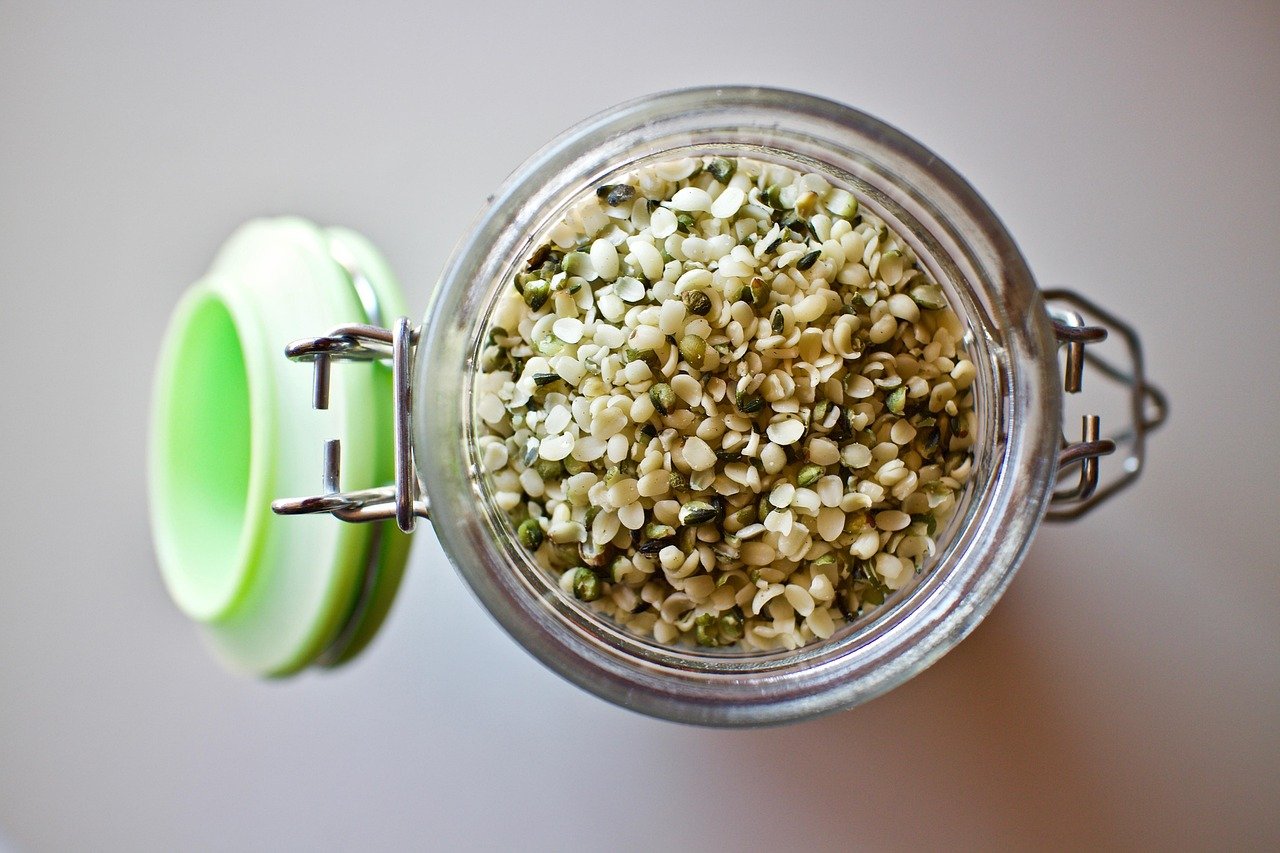
While traditional sources of omega-3 fatty acids are mainly animal-based, such as fish oil, the growing interest in plant-based diets has prompted many to ask, can you get omega-3 as a vegan? The answer is affirmative. Vegan sources of omega-3 fatty acids are abundant and include ground linseed (flaxseed) oil, chia seeds, hemp seeds, and walnuts. These sources not only provide ALA but also contribute to a well-rounded plant-based diet. By incorporating these rich plant sources of omega-3 fatty acids into daily meals, individuals following a vegan diet can successfully meet their nutritional needs while promoting optimal health.
Top Vegan Sources of Omega-3 Fatty Acids
Vegans seeking to incorporate omega-3 fatty acids into their diets have several plant-based options that are rich in these essential nutrients. One of the most popular sources is ground linseed, commonly known as flaxseed. This oil is particularly high in alpha-linolenic acid (ALA), a type of omega-3 fatty acid. A tablespoon of ground linseed contains approximately 2.4 grams of ALA, making it a potent addition to smoothies, oatmeal, or as an ingredient in baked goods.
Chia seeds are another excellent vegan source of omega-3 fatty acids. Just one ounce (about 28 grams) of chia seeds supplies approximately 5 grams of ALA. These tiny seeds can easily be added to a variety of dishes, such as salads, yogurt, or incorporated into homemade energy bars, providing not only omega-3s but also dietary fiber and protein.
Walnuts also serve as a remarkable source of omega-3 fatty acids, with about 2.5 grams of ALA in a one-ounce serving. They can be enjoyed as a snack or added to salads and cereals, enhancing both the flavor and nutritional value of meals. Beyond their omega-3 content, walnuts are also rich in antioxidants and other healthy fats.
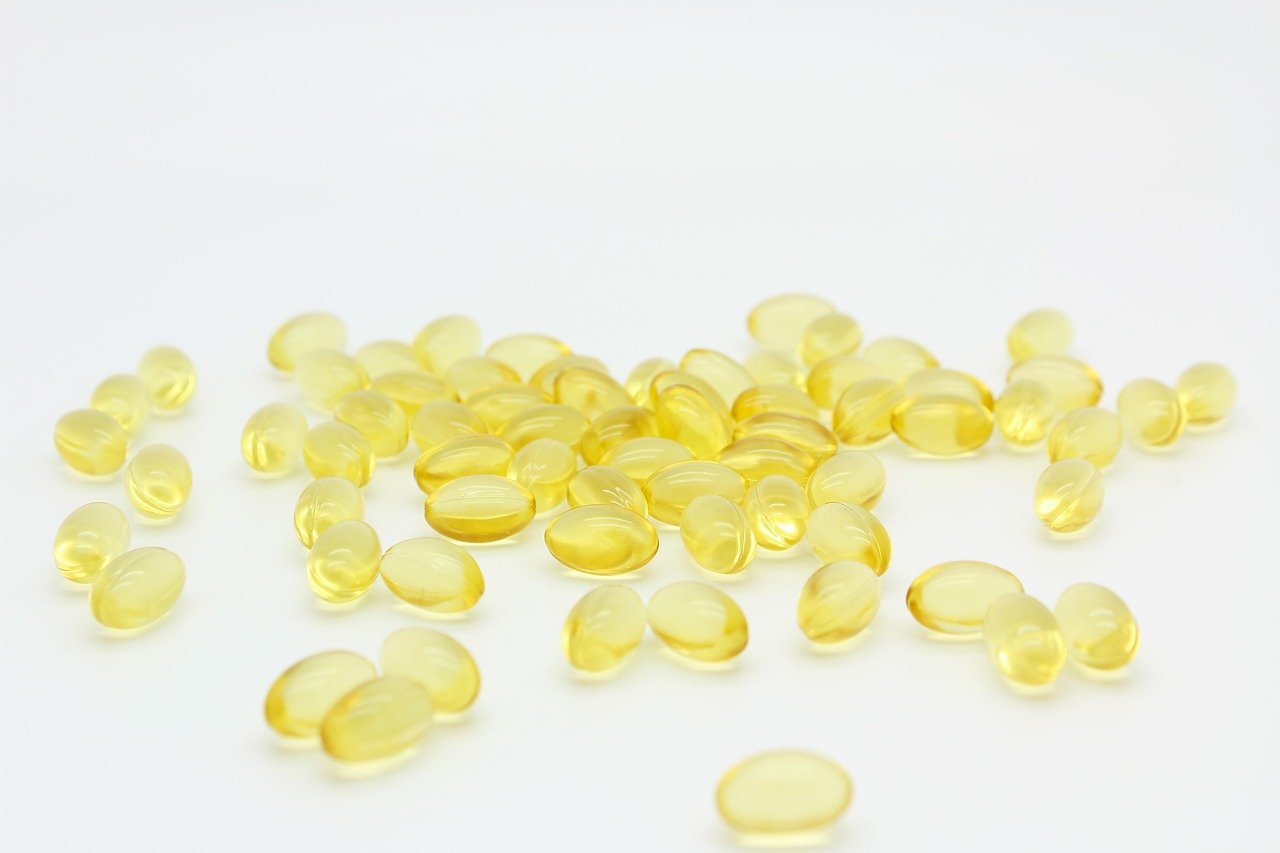
Lastly, algae-based supplements are making waves as a vegan source of omega-3 fatty acids. These supplements directly provide EPA and DHA, the same types of omega-3s found in fish oils. Algae supplements are a suitable option for those aiming to ensure they receive a well-rounded intake of omega-3 fatty acids without consuming animal products. Pairing these vegan sources with a balanced diet can help you meet your nutritional needs effectively.
Incorporating Omega-3s into Your Vegan Diet
For individuals following a vegan diet, ensuring adequate intake of omega-3 fatty acids can be a vital aspect of maintaining overall health. While seafood is a common source of omega-3s, plant-based alternatives can effectively meet the nutritional needs of those avoiding animal products. To achieve this, it is essential to focus on various vegan sources of omega-3 fatty acids that can be easily incorporated into meals.
One of the richest plant sources of omega-3 is ground linseed (flaxseed) oil, which can be easily added to smoothies, salad dressings, and baked goods. Similarly, vegetable oils such as rapeseed oil serve as versatile options for cooking and meal preparation while providing beneficial omega-3s. Other significant sources include chia seeds and walnuts, both of which can be sprinkled on cereal, used in desserts, or consumed as snacks.
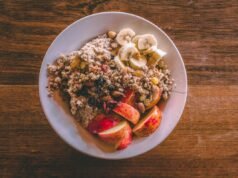
Meal planning plays a crucial role in ensuring a balanced intake of omega-3 fatty acids. Incorporating these ingredients into regular meals can help create a diverse and flavorful diet. For example, preparing a chia seed pudding can serve as a nutritious breakfast option, while a quinoa salad enriched with ground flaxseed can make for a fulfilling lunch. Using these ingredients creatively not only enhances flavor profiles but also enables consistent consumption of omega-3s.
In addition to dietary sources, supplementing with plant-based omega-3 options, such as algae oil, can provide added assurance. These supplements are particularly beneficial for those who may not consume sufficient omega-3-rich foods regularly. Furthermore, it is essential to maintain an appropriate balance between omega-3 and omega-6 fatty acids, as an excessive intake of omega-6 can hinder the health benefits of omega-3s.
By actively including these vegan sources of omega-3 fatty acids into daily meals and considering supplementation when necessary, individuals can effectively safeguard their nutritional health while adhering to a vegan lifestyle.
Addressing Common Concerns and Myths about Vegan Omega-3s
Many individuals are often concerned about the adequacy of omega-3 fatty acids in a vegan diet. A prevalent myth suggests that plant-based sources of omega-3s are inferior to their animal counterparts. While it is true that fish oil provides direct forms of omega-3, particularly EPA and DHA, the primary plant-based omega-3 fatty acid is alpha-linolenic acid (ALA). Although ALA must be converted by the body into EPA and DHA, it is feasible for those who consume sufficient amounts of omega-3-rich plant foods.
A common question arises regarding the effectiveness of this conversion process. Research indicates that while the conversion rate of ALA to EPA and DHA can be limited due to various factors such as age, gender, and overall diet, it is still possible to maintain adequate levels of these essential fatty acids. To optimize the conversion process, individuals on a vegan diet should focus on incorporating substantial amounts of sources of omega-3 fatty acids suitable for vegans, notably ground linseed (flaxseed) oil and chia seeds, which are rich in ALA.
Furthermore, concerns about common deficiencies often surface among those considering a vegan lifestyle. While it is essential to monitor omega-3 intake, balancing other aspects of nutrition can mitigate potential deficiencies. Emphasizing diverse, nutrient-dense foods and understanding individual dietary requirements play a crucial role. Regular intake of vegan sources of omega-3 fatty acids, alongside a balanced diet, can contribute to overall well-being.
A final point of discussion is the accessibility of these plant-based omega-3s. With the availability of fortified foods and supplements, vegans can conveniently incorporate suitable omega-3 sources into their diet. Therefore, while there may be misconceptions surrounding vegan omega-3 fatty acids, a well-planned vegan diet can efficiently meet the body’s needs.