









Carbohydrates are one of the most misunderstood parts of nutrition. Some diets treat carbs like the villain, while others rely on them for performance and energy. The truth is more nuanced: carb quality, fiber content, and portion size matter far more than the word “carbs” alone. Understanding the difference between simple and complex carbohydrates is a practical first step to eating in a way that supports your goals.
What are carbohydrates?
Carbs are molecules made of sugar units. When you eat carbohydrates, your body breaks them down into glucose, which is used for immediate energy or stored as glycogen in muscles and the liver. Glucose is the brain’s preferred fuel, and glycogen helps power workouts and everyday movement.
Simple carbohydrates: fast digestion and quick energy
Simple carbs are made of one or two sugar units. They are digested quickly and can raise blood sugar fast—especially when they come from refined, low-fiber foods. Examples include:
- Soda, candy, desserts
- White bread, pastries, many packaged snacks
- Added sugar in coffee drinks and sauces
Simple carbs aren’t always “bad.” For example, fruit contains simple sugars but also provides fiber, water, vitamins, and antioxidants. The main issue is simple carbs from ultra-processed foods that deliver lots of calories with low nutritional value.
Complex carbohydrates: slower energy and more nutrients
Complex carbs contain longer chains of sugar units and usually come with fiber and micronutrients. They digest more slowly, which can support stable energy and better appetite control. Examples include:
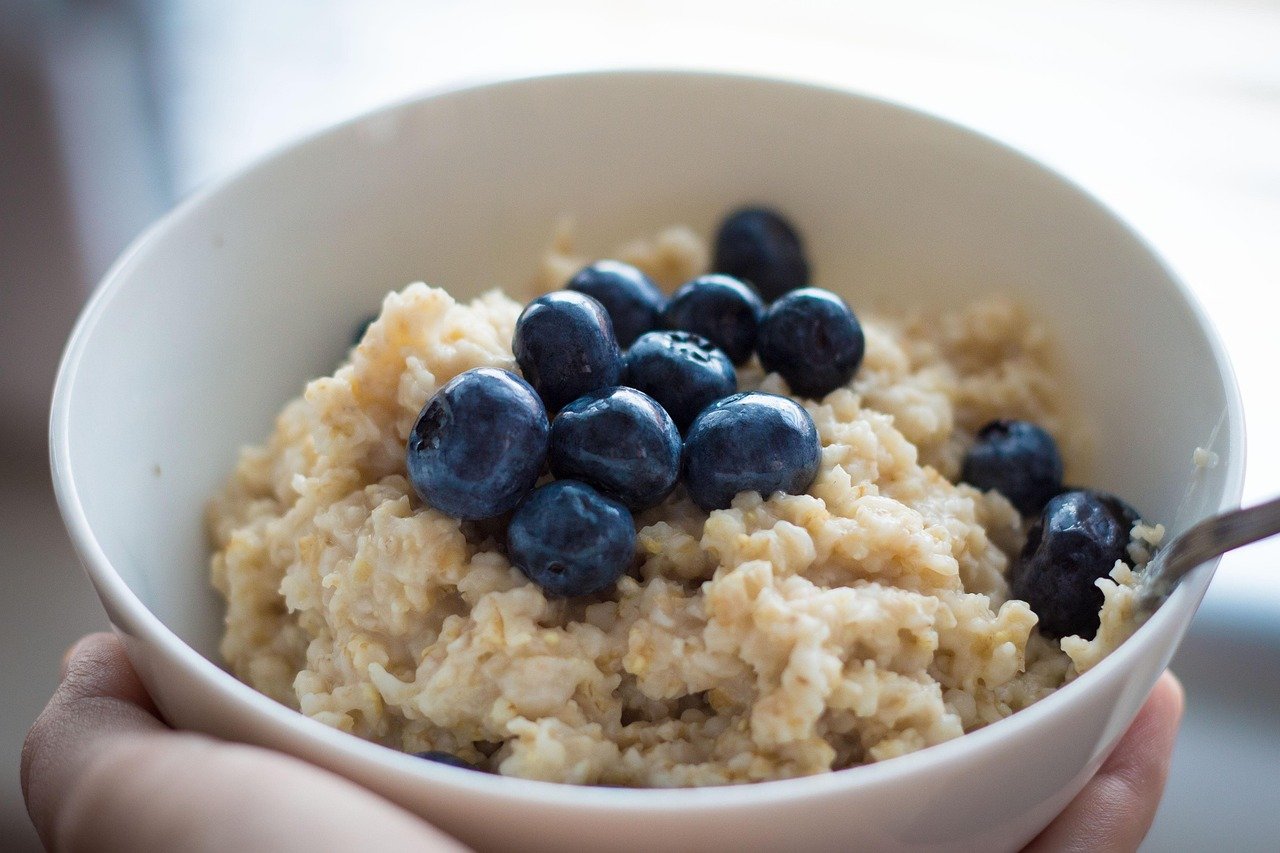
- Oats, brown rice, quinoa, whole grains
- Beans, lentils, chickpeas
- Vegetables and whole fruits
- Potatoes and sweet potatoes (especially with skin)
Why fiber is the game-changer
Fiber is a type of carbohydrate that your body can’t fully digest. It supports gut health, promotes regular digestion, and slows glucose absorption. High-fiber diets are linked with better blood sugar control and improved heart health. If you want “better carbs,” increasing fiber is often the simplest strategy.
Carbs and blood sugar: what actually happens
When blood sugar rises quickly, the body releases insulin to help move glucose into cells. This is normal. Problems can happen when meals repeatedly spike blood sugar and don’t provide enough protein or fiber—leading to hunger soon after and a cycle of snacking. A more balanced meal (protein + fiber-rich carbs + healthy fats) usually results in a smoother curve and more stable energy.
How to choose the right carbs for your goals
For fat loss and appetite control
- Prioritize vegetables, legumes, and whole grains
- Combine carbs with protein (e.g., yogurt + fruit, chicken + rice + veggies)
- Limit sugary drinks and refined snacks most of the time
For training performance
- Include carbs around workouts for fuel and recovery
- Use easier-to-digest carbs pre-workout (banana, rice, toast)
- Keep fiber moderate right before intense sessions if GI discomfort occurs
Simple swaps that make carbs “work for you”
- Swap sugary cereal for oats with fruit
- Swap white bread for whole-grain bread when possible
- Swap chips for roasted chickpeas or popcorn
- Swap soda for sparkling water with lemon
Common myths about carbohydrates
Myth: “All carbs cause weight gain.”
Reality: Weight gain is driven by overall calorie surplus; carb quality influences hunger and consistency.
Myth: “You must avoid carbs to be healthy.”
Reality: Many healthy diets include carbs—especially from whole foods.
Myth: “Fruit sugar is the same as candy.”
Reality: Fruit provides fiber, water, and micronutrients that change how your body responds.
FAQ
How many carbs should I eat?
It depends on activity, goals, and preference. If you are active, carbs often support performance. If you are less active or managing blood sugar, you may choose smaller portions and focus on fiber-rich carbs. The best approach is the one you can follow consistently.
Are low-carb diets bad?
Not inherently. Some people feel great on lower-carb approaches, especially if they emphasize whole foods and adequate protein. Others feel fatigued, moody, or perform worse in workouts. Listen to your energy, digestion, and training results.
Takeaway: Carbohydrates aren’t the enemy. Choose more complex, fiber-rich carbs for everyday eating, use simple carbs strategically when needed (like around workouts), and build meals that keep your energy stable.
One more practical tip
When in doubt, make your next meal simple: choose a protein you enjoy, add a high-fiber carbohydrate, include a colorful vegetable, and finish with a small portion of healthy fat. Consistency beats perfection, and small upgrades repeated daily create the biggest long-term results.