



Introduction to Dr. Oz’s Weight Loss Philosophy
Dr. Mehmet Oz, a well-known television personality, cardiothoracic surgeon, and author, has been a prominent figure in the health and wellness community for over a decade. His show, “The Dr. Oz Show,” combines entertainment with educational content aimed at improving the public’s health literacy. Through his expertise and credible background, Dr. Oz has influenced millions with his insights on various health topics, including weight loss.
Dr. Oz emphasizes a holistic approach to weight management, focusing on sustainable lifestyle changes rather than quick fixes. He advocates for a balanced diet, regular physical activity, and mental wellness, asserting that true weight loss encompasses overall health improvement. Understanding what Dr. Oz recommends for weight loss can empower individuals to take charge of their health and make informed dietary choices.
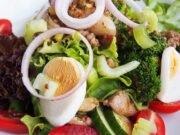
In terms of his recommended food choices, Dr. Oz’s weight loss plan includes non-starchy vegetables, lean protein, legumes, fruit, whole grains, and healthy fats. This approach is designed to not only foster weight loss but also to ensure that the body receives essential nutrients necessary for optimal functioning. Importantly, he encourages individuals to prioritize whole, unprocessed foods over refined alternatives to maximize nutritional benefits.
By following Dr. Oz’s principles, individuals can create a sustainable and enjoyable eating pattern that supports their weight loss goals. His recommendations are not just about restriction, but rather about fostering a healthier relationship with food. These strategies serve as a foundation for discussing the specific foods and practices he advocates for successful weight loss.
Key Components of Dr. Oz’s Weight Loss Plan
Dr. Oz’s weight loss plan has garnered significant attention for its structured approach to healthy eating and sustained weight management. At the core of this plan are several key components that collectively contribute to effective weight loss and improved overall health. One of the primary focuses is on non-starchy vegetables, which are low in calories yet high in essential nutrients. Incorporating a variety of these vegetables not only helps to fill you up without excessive calorie intake but also provides necessary vitamins and minerals that support bodily functions.
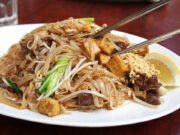
Lean proteins also play a crucial role in Dr. Oz’s recommendations. Incorporating sources such as poultry, fish, tofu, and legumes can aid in muscle preservation during weight loss, keeping the metabolism active. This is important as muscle mass contributes to increased caloric burn, even at rest. Furthermore, legumes are a source of both protein and fiber, enhancing satiety and aiding in digestive health.
Another essential component includes fruits, which offer natural sweetness along with vital antioxidants that promote health and well-being. Whole grains, such as brown rice and quinoa, serve to provide complex carbohydrates that can fuel energy levels while also ensuring a sense of fullness. Additionally, healthy fats, often derived from sources like avocados, nuts, and olive oil, help to satisfy hunger and promote healthy cellular function.
In summary, combining these elements—non-starchy vegetables, lean proteins, legumes, fruits, whole grains, and healthy fats—creates a balanced diet that not only supports weight loss but also promotes overall health. This holistic approach to nutrition is at the heart of what Dr. Oz recommends for weight loss, showing that it is possible to achieve and maintain a healthy weight through mindful eating practices.
Understanding Non-Starchy Vegetables
Non-starchy vegetables play a crucial role in Dr. Oz’s weight loss plan, which emphasizes the importance of incorporating a variety of nutritious foods into daily meals. These vegetables are characterized by their low caloric density, making them an ideal choice for individuals aiming to lose weight. Unlike starchy vegetables, non-starchy options are rich in dietary fiber, vitamins, and minerals while providing minimal calories. This unique combination helps to enhance satiety, allowing individuals to feel full without consuming excess calories.
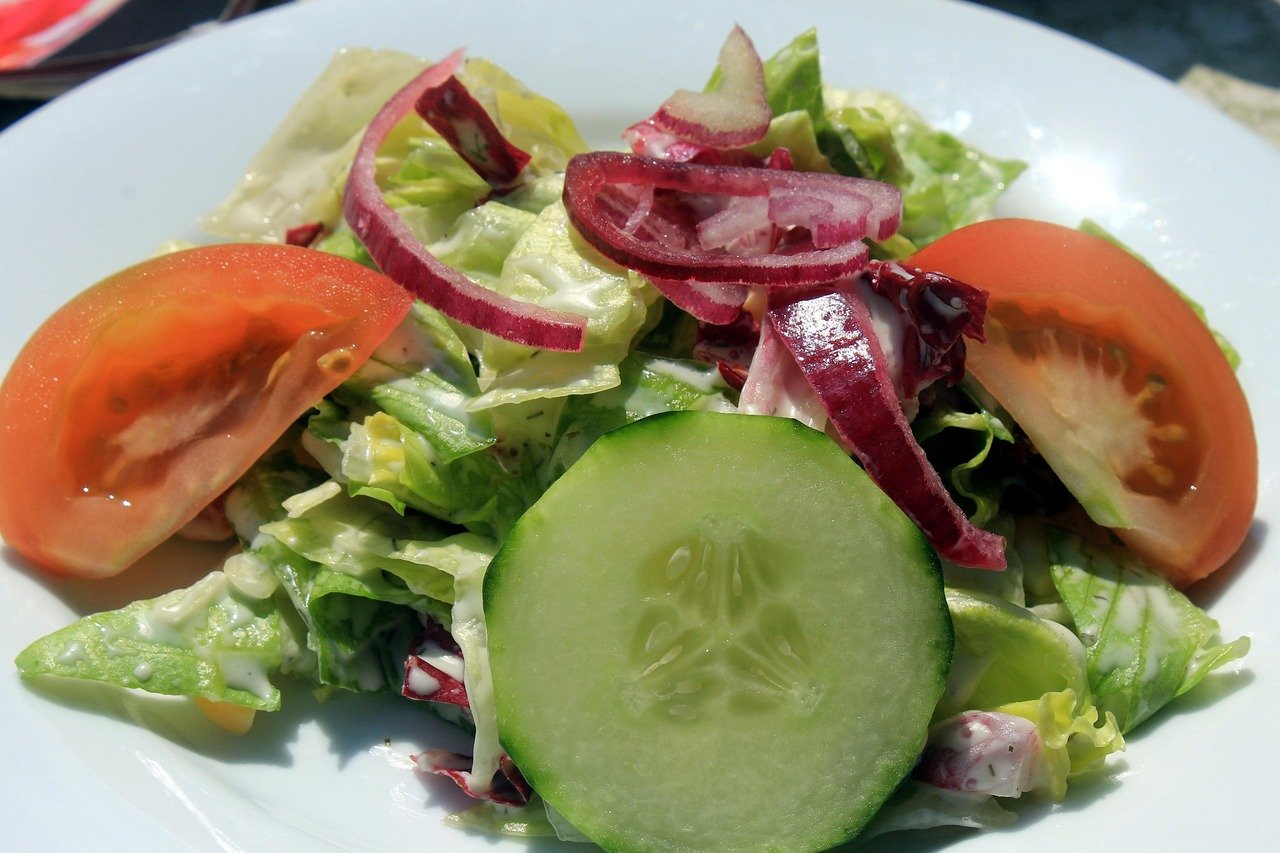
Examples of non-starchy vegetables include leafy greens, such as spinach and kale, as well as broccoli, cauliflower, bell peppers, zucchini, and cucumbers. Each of these vegetables offers distinct health benefits. For instance, leafy greens are highly nutritious and can contribute to improved digestion, while cruciferous vegetables like broccoli contain compounds that have been linked to cancer prevention. Integrating a variety of these non-starchy vegetables into meals not only supports effective weight loss but also promotes overall health.
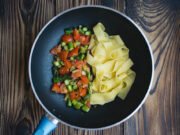
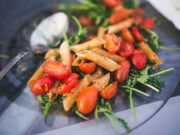
Incorporating non-starchy vegetables into a daily diet can be achieved in numerous ways. They can be added to salads, stir-fries, and soups, providing both flavor and texture. Furthermore, Dr. Oz’s recommendations suggest pairing these vegetables with lean protein sources, legumes, and healthy fats, creating balanced meals that support weight loss goals. By focusing on non-starchy vegetables, individuals can enjoy larger portions without exceeding their caloric limits, allowing them to stay satisfied throughout the day. Thus, embracing non-starchy vegetables is essential for anyone looking to follow Dr. Oz’s weight loss recommendations effectively.
The Role of Lean Proteins
In Dr. Oz’s weight loss plan, the incorporation of lean proteins plays a crucial role in achieving effective and sustainable results. Lean proteins are those that contain little fat and high protein content, making them an ideal choice for individuals aiming to lose weight while preserving muscle mass. Common examples of lean proteins include chicken breast, turkey, fish, beans, lentils, and low-fat dairy products.
One of the primary benefits of lean proteins is their contribution to muscle maintenance. Maintaining muscle tissue is essential during weight loss, as it plays a key role in regulating metabolism. The more muscle mass a person retains, the more calories they burn at rest. Lean proteins provide the amino acids necessary for muscle repair and growth, which is particularly important for individuals engaged in regular physical activity.
Moreover, lean proteins can help in keeping hunger at bay. Including these proteins in meals can promote satiety, as they take longer to digest compared to carbohydrates. This can help reduce overall calorie intake by minimizing the likelihood of snacking or overeating later in the day. Dr. Oz recommends integrating a variety of lean proteins into one’s diet to ensure a balanced intake of nutrients while also adhering to the principles of his weight loss plan.
In summary, lean proteins are an essential component of Dr. Oz’s weight loss recommendations. By choosing lean sources of protein, individuals can support muscle maintenance, enhance feelings of fullness, and ultimately contribute to a successful and sustainable weight loss journey.
Incorporating Legumes into Your Diet
Legumes play a crucial role in Dr. Oz’s weight loss recommendations, primarily due to their impressive nutritional profile and versatility in cooking. This group of foods includes beans, lentils, peas, and chickpeas, which are all rich in essential nutrients such as protein, fiber, vitamins, and minerals. They are low in fat and help to achieve satiety, making them a beneficial addition to any weight loss plan.
The high fiber content found in legumes is particularly noteworthy, as fiber not only aids in digestion but also helps maintain stable blood sugar levels. This is essential for anyone looking to manage their weight, as it can reduce cravings and promote a feeling of fullness throughout the day. According to Dr. Oz, incorporating legumes into meals can support a balanced diet rich in non-starchy vegetables, lean protein, and healthy fats, which are all integral to Dr. Oz’s weight loss plan.
There are many ways to include legumes in your daily meals. For instance, you can add black beans or pinto beans to salads for an extra protein boost, cook lentils into warm soups, or create hearty chickpea salads. Additionally, legumes can serve as a meat substitute in various recipes, thus reducing overall caloric intake while promoting nutrient density. They can easily be incorporated into whole grain dishes, thus aligning with Dr. Oz’s advice for a well-rounded diet.
By exploring the variety of legumes available and experimenting with different cooking methods, individuals can enrich their meals while adhering to the dietary principles promoted by Dr. Oz. When considering what did Dr. Oz recommend for weight loss, it becomes evident that legumes should not be overlooked; they provide a sustainable option for those aiming to improve their overall health and manage their weight effectively.
Fruits: Natural Sweeteners for Weight Loss
Incorporating fruits into a weight loss plan is beneficial not only for their natural sweetness but also for the multitude of vitamins and minerals they provide. Dr. Oz’s weight loss plan encourages the inclusion of a variety of fruits, as they contribute essential nutrients while helping to manage caloric intake. Fruits are generally low in calories and high in fiber, making them satisfying choices for those seeking to reduce their weight.
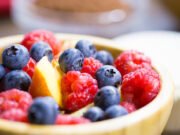
Certain fruits are particularly conducive to weight loss due to their high water content and low calorie density. Berries, such as blueberries, strawberries, and raspberries, are excellent options as they are rich in antioxidants and can promote metabolic health. Furthermore, these fruits are flavorful, serving as healthier alternatives to sugary snacks or desserts.
Citrus fruits, including oranges and grapefruits, are also recommended for weight loss because they are loaded with vitamin C and help to boost hydration. The fiber content in these fruits contributes to the feeling of fullness, which can prevent overeating and support healthier eating habits. Moreover, the natural sweetness found in fruits like apples and pears can satisfy sugar cravings without compromising a diet plan.
In Dr. Oz’s weight loss plan, the emphasis on incorporating fruits is clear. They provide not only a sweet taste but also a host of beneficial nutrients that assist in weight management. As a natural source of energy, fruits can enhance physical activity and even serve as a rewarding snack after exercise. Including a variety of fruits in one’s diet can lead to sustainable weight loss while supporting overall health.
Whole Grains: A Key to Sustaining Energy
Whole grains are vital components of a balanced diet and play a significant role in Dr. Oz’s weight loss plan. These foods are rich in essential nutrients, particularly dietary fiber, which contributes to prolonged feelings of fullness and aids in digestion. Whole grains include items such as quinoa, brown rice, whole wheat bread, and oats, all of which provide energy-sustaining benefits crucial for maintaining an active lifestyle.
The fibers found in whole grains slow the absorption of carbohydrates, leading to more stable blood sugar levels and sustained energy throughout the day. This attribute is particularly important for individuals looking to manage their weight effectively, as it prevents the rapid spikes and crashes associated with refined grains and sugary foods. Moreover, incorporating whole grains into one’s diet supports heart health, reduces the risk of chronic diseases, and encourages healthy weight loss—important points highlighted by Dr. Oz.
To include whole grains in your meals, consider opting for whole grain alternatives to refined products. For instance, switch to brown rice instead of white rice or choose whole grain pasta over traditional pasta. Breakfast can also be easily enhanced by using oatmeal topped with fruits, which not only adds flavor but also boosts nutritional value. Additionally, snacks can be a source of whole grains; try whole grain crackers or popcorn, which serve as healthy, satisfying options.
In conclusion, whole grains are integral to Dr. Oz’s recommendations for weight loss, as they not only provide essential nutrients but also support energy levels and digestive health. Integrating a variety of whole grains into your diet can facilitate long-term health benefits and aid in achieving weight loss goals.
Healthy Fats: Essential for a Balanced Diet
In Dr. Oz’s weight loss plan, the inclusion of healthy fats is emphasized as a critical component of a balanced diet. Healthy fats are found in various foods and are essential for multiple bodily functions. Unlike saturated and trans fats, which can contribute to chronic health issues, healthy fats are beneficial for heart health and overall wellbeing. They play a crucial role in nutrient absorption, hormone production, and cellular function.
Sources of healthy fats include avocados, nuts, seeds, olive oil, and fatty fish. These foods not only enhance flavor but also provide essential fatty acids and vitamins necessary for maintaining a healthy diet. Incorporating these fats into meals can contribute to increased satiety, making individuals feel fuller for longer, which is particularly important for those following Dr. Oz’s recommendations for weight loss.
Healthy fats aid in managing hunger levels, allowing for better control over dietary choices. By replacing unhealthy fats with their healthier counterparts, one can improve overall dietary quality while adhering to Dr. Oz’s guidelines. This strategic incorporation of healthy fats can contribute to a sustainable weight loss journey.
Additionally, consuming these fats in moderation can further benefit cholesterol levels and support heart health. It is crucial to understand the balance; while healthy fats are important, they are also calorie-dense, and managing portion sizes is essential to ensure they fit within the overall caloric intake. For those adhering to Dr. Oz’s weight loss framework, the inclusion of foods rich in healthy fats can facilitate a more effective and enjoyable dietary experience.
Conclusion and Tips for Sustained Weight Loss
Incorporating Dr. Oz’s recommendations into your daily routine can significantly enhance your journey towards weight loss and a healthier lifestyle. To effectively implement Dr. Oz’s weight loss plan, which includes non-starchy vegetables, lean proteins, legumes, fruits, whole grains, and healthy fats, it is essential to focus on balance and variety in your diet. By diversifying your meals with these food groups, you can create satisfying and nutritious dishes that support your weight loss goals.
Moreover, portion control plays a crucial role in achieving and sustaining your ideal weight. Being mindful of serving sizes and practicing moderation can help prevent overeating while still enjoying the foods you love. Additionally, staying hydrated by drinking ample water throughout the day aids in digestion and can help manage hunger levels.
Another effective strategy is to incorporate regular physical activity into your routine. Exercise not only helps to burn calories but also contributes to overall health and wellbeing. Aim for a balanced exercise regimen that includes both aerobic activities and strength training for optimal results.
Additionally, surrounding yourself with a supportive community can be invaluable. Whether it’s family, friends, or online forums, having encouragement and accountability can keep you motivated on your weight loss journey. Journaling your progress and celebrating small achievements can also provide a psychological boost.
In conclusion, by following Dr. Oz’s weight loss recommendations and adopting these practical tips, you can make lasting changes that promote weight loss and a sustainable healthy lifestyle. Remember, the key to success lies in consistency and making informed choices that align with your personal health goals.