








Introduction to Low-Carb Grains
In recent years, there has been a notable shift towards low-carb diets, driven by a growing awareness of the impact of carbohydrates on health and wellness. This trend has led to increased interest in low-carb grains that offer nutritional benefits without excessive carbohydrate content. These grains serve as alternatives that align with health-conscious eating habits and help individuals manage their carbohydrate intake more effectively.
Low-carb grains are characterized by their reduced net carbohydrate content, making them appealing for those looking to maintain stable blood sugar levels and support weight management. As scientific research continues to highlight the importance of diet in preventing chronic diseases, the demand for grains that fit within a low-carb framework has surged. Understanding the various options available can empower individuals to make informed choices in their dietary practices.
Among the grains touted for their low carbohydrate content, bulgur makes the top of the list as the grain with the lowest number of net carbs per serving. This ancient grain is not only low in carbohydrates but also rich in nutrients, providing essential vitamins and minerals. With its nutty flavor and versatile texture, bulgur can easily serve as a rice substitute or be incorporated into soups and salads, enhancing the overall meal experience.
As the popularity of low-carb grains like bulgur continues to rise, consumers are encouraged to explore these nutritious options and consider them as staples in their diets. By doing so, they can enjoy delicious meals while remaining mindful of their carbohydrate consumption. Such grains are not just sustenance; they represent a balanced approach to eating that is both satisfying and healthful.
What is Bulgur?
Bulgur is a whole grain made from cracked wheat, primarily derived from durum wheat, which is known for its high protein content and hardness. This ancient grain has its roots tracing back thousands of years, specifically to the Middle Eastern and Mediterranean regions, where it has been a staple in various traditional cuisines. Bulgur is often found in popular dishes such as tabbouleh and kibbeh, showcasing its versatility in both hot and cold preparations.
The production of bulgur involves a relatively simple process. Whole grains of wheat are first parboiled, then dried, and finally cracked into varying sizes. This method not only preserves the grain’s nutrients but also allows for a quick cooking time, making it an excellent choice for busy households. Bulgur is considered a whole grain because it retains all parts of the wheat kernel – the bran, germ, and endosperm, which contributes to its nutritional profile.
One of the noteworthy aspects of bulgur is its status as a low-carbohydrate grain. When considering what grain is lowest in carbs?, bulgur makes the top of the list as the grain with the lowest number of net carbs per serving. This characteristic, combined with its nutty flavor and chewy texture, makes bulgur an appealing substitute for rice or other grains in various dishes. Furthermore, bulgur is rich in fiber, vitamins, and minerals, providing significant health benefits while being low in calories. As a result, it has the potential to fit well into a balanced diet, especially for those seeking to reduce their carbohydrate intake.
Nutritional Profile of Bulgur
Bulgur is renowned for its impressive nutritional profile, evidenced by its status as one of the healthiest grains available. When considering what grain is lowest in carbs, bulgur makes the top of the list as the grain with the lowest number of net carbs per serving. Typically, a cooked cup of bulgur contains approximately 33 grams of carbohydrates, of which about 8 grams are fiber. This translates into a net carbohydrate content of roughly 25 grams, which is significantly lower than many other whole grains.
In addition to its low carbohydrate content, bulgur is a robust source of dietary fiber, contributing to digestive health and promoting feelings of fullness. The high fiber content is particularly beneficial for those seeking to manage their weight or regulate blood sugar levels. Aside from fiber, bulgur offers a blend of essential nutrients, including B vitamins, iron, magnesium, and manganese, which are vital for overall health.
Moreover, bulgur is rich in plant-based protein, providing about 6 grams of protein per serving. This makes it an excellent choice for vegetarians and vegans. With its slightly nutty flavor and chewy texture, it serves as a versatile ingredient in various dishes. It can be used as a rice substitute or added to soups and salads, enhancing both the taste and nutritional value.
Furthermore, bulgur’s low glycemic index makes it an ideal food for maintaining stable blood sugar levels, which is particularly important for individuals with diabetes. Its nutrients and low carbohydrate profile make bulgur a grain worthy of inclusion in any health-conscious diet.
Health Benefits of Bulgur
Bulgur, recognized as a grain with the lowest number of net carbs per serving, offers a multitude of health benefits that can significantly improve dietary health. This ancient grain is not only versatile in culinary applications but also plays an essential role in promoting overall wellness. One of the primary advantages of bulgur is its high fiber content, which aids in improved digestion. The fibers present in bulgur can help maintain regular bowel movements, prevent constipation, and contribute to a healthy gut flora. By fostering digestive health, bulgur can assist in the efficient absorption of nutrients, thereby enhancing overall metabolic function.
Moreover, bulgur is beneficial for heart health. It is low in saturated fats and contains no cholesterol, making it a heart-friendly choice. The high fiber content can help lower bad cholesterol levels while maintaining good cholesterol, which is crucial in reducing the risk of heart disease. Nutrients found in bulgur, such as magnesium and potassium, also support heart function by regulating blood pressure and improving circulation.
In addition to these advantages, bulgur is a valuable ally for individuals looking to manage their weight. As a whole grain, it provides a sense of fullness due to its fiber content, which can help reduce overall calorie intake when incorporated into meals. Substituting bulgur for higher-calorie grains can effectively contribute to a balanced diet aimed at weight loss or maintenance.
In essence, bulgur’s nutritional profile and health benefits make it a remarkable grain for those seeking to improve their diet. By integrating bulgur into various dishes, individuals can enjoy not only its nutty flavor but also the extensive health advantages it offers.
Carbohydrate Content Comparison
When considering what grain is lowest in carbs, bulgur clearly stands out among its competitors. Per 100 grams, cooked bulgur contains approximately 18 grams of carbohydrates, which is significantly lower than other commonly consumed grains. For instance, cooked white rice contains about 28 grams of carbohydrates, while quinoa has roughly 21 grams. Barley, another popular grain, contains about 22 grams of carbohydrates, making bulgur an attractive option for those mindful of their carb intake.
Nutritional Profile
Beyond just carbohydrate content, bulgur also excels in its comprehensive nutritional profile. This ancient grain is a good source of dietary fiber, providing around 4.5 grams per serving, which can help with digestion and maintaining a healthy weight. In contrast, while quinoa offers a complete protein profile, it does contain more carbohydrates and fewer fibers than bulgur. Similarly, while barley is known for its beneficial beta-glucans, it doesn’t match bulgur’s lower carb content. Furthermore, bulgur is rich in essential vitamins and minerals, such as iron and magnesium, making it a nutritious addition to any diet.
Culinary Versatility
Bulgur’s low carb count and unique texture make it a versatile ingredient, suitable for various dishes. It can serve as an excellent substitute for rice in pilafs or as a base for hearty salads. When comparing bulgur with other grains, it becomes evident that its nutty flavor and chewy consistency combine well in both hot and cold dishes, enhancing their overall appeal. Use bulgur in soups, salads, or as a side dish to reap its nutritional benefits without the high carbohydrate load of other grains.
Conclusion
In conclusion, as evidenced by the comparisons, bulgur makes the top of the list as the grain with the lowest number of net carbs per serving. Its combination of low carbohydrates, rich nutritional value, and culinary versatility makes it an excellent choice for anyone looking to reduce their carb intake while still enjoying a wide variety of delicious meals.
Cooking with Bulgur: Preparation and Tips
Bulgur is a versatile and nutritious grain that offers a variety of cooking methods to suit different recipes. One of its appealing features is its relatively quick cooking time compared to other grains. To begin with, bulgur is typically available in three different coarseness grades: fine, medium, and coarse. This allows for flexibility depending on the dish you are preparing, whether a salad, pilaf, or a hearty soup.
Before cooking bulgur, it is often recommended to rinse it under cold water. This process not only aids in cleansing the grain but also helps in removing any dust or residues from processing. For fine bulgur, soaking in hot water for about 15 minutes is usually sufficient. The grains will absorb the water and expand, making them tender and ready to use in a variety of dishes.
For medium and coarse bulgur, boiling is generally the preferred method. Begin by measuring 1 cup of bulgur to 2 cups of water or broth. Bring the liquid to a boil, then stir in the bulgur, cover the pot, and remove it from the heat. Allow the bulgur to sit for approximately 12-15 minutes until it has absorbed the liquid and is tender. Afterward, fluff it with a fork to separate the grains.
Flavoring bulgur is another key aspect of cooking with this ancient grain. Consider incorporating ingredients such as garlic, onion, herbs, and spices in the cooking liquid to enhance the overall flavor profile. Additionally, bulgur can be used as a rice substitute; its nutty flavor can complement various dishes. It works well in salads, especially tabbouleh, or as a side dish with roasted vegetables.
By employing these preparation techniques and tips, not only can you enjoy bulgur’s nutritional benefits, but you can also explore creative culinary possibilities that align with a low-carb diet.
Delicious Bulgur Recipes
Bulgur, recognized for its low carbohydrate content, serves as an excellent base for a variety of tasty and nutritious recipes. Here are some delicious options to incorporate this ancient grain into your diet.
One of the simplest yet flavorful ways to enjoy bulgur is by preparing a Bulgur Salad. Combine cooked bulgur with diced cucumbers, tomatoes, bell peppers, red onion, and parsley. Dress the salad with olive oil, lemon juice, salt, and pepper for a refreshing side dish perfect for summer gatherings.
Another enticing dish is Bulgur Soup. To make this hearty meal, sauté onions, garlic, and carrots in a pot before adding vegetable broth and bringing it to a boil. Stir in bulgur and let it simmer until tender, enhancing the flavor with herbs such as thyme and basil. This nutrient-dense soup is not only filling but also warming on chillier days.
For those looking for a more substantial main course, consider Bulgur Stuffed Peppers. Mix cooked bulgur with cooked ground meat, diced tomatoes, and spices before stuffing the mixture into halved bell peppers. Bake until the peppers are tender, offering a wholesome and visually pleasing dish.
Lastly, try a Bulgur Pilaf as a side dish. Sauté bulgur with onions and garlic, then add vegetable or chicken broth to cook. Once fluffed, garnish with nuts, dried fruits, or fresh herbs to add texture and flavor.
These diverse recipes demonstrate how bulgur can easily replace higher-carb grains in your meals while offering a rich taste and myriad health benefits. Enjoy experimenting with bulgur as a low-carb alternative in your culinary endeavors.
How to Incorporate Bulgur into Your Diet
Bulgur, a versatile and nutritious grain, is particularly valued for its low carbohydrate content. When considering what grain is lowest in carbs, bulgur makes the top of the list, as it contains a remarkably low number of net carbs per serving, making it an excellent choice for those mindful of their carbohydrate intake. To seamlessly include bulgur in your daily meals and snacks, consider the following practical strategies.
One of the simplest ways to incorporate bulgur is to replace rice or other higher-carb grains with it in your favorite recipes. For instance, prepare a bulgur pilaf as a side dish, combining it with sautéed vegetables, herbs, and spices. This not only enhances the flavor of the dish but also adds nutritional value.
Additionally, bulgur can be an exceptional ingredient in salads. Try mixing cooked bulgur with fresh vegetables, beans, olive oil, and lemon juice for a refreshing, nutrient-dense salad. This high-fiber dish will not only keep you full longer but also provide essential vitamins and minerals.
Soups and stews is another fantastic way to add bulgur to your diet. The grain absorbs flavors well, lending its nutty taste to the dish while providing a hearty texture. Simply add cooked bulgur to your favorite soup recipes, allowing it to simmer until tender.
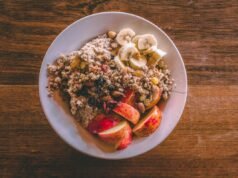
For those seeking innovative breakfast options, consider using bulgur in porridge form. By cooking bulgur with milk or a milk alternative, you can create a warm and comforting dish, topped with fruits and nuts for added sweetness and crunch. This approach not only diversifies your breakfast routine but also ensures you start the day with a low-carb option.
In summary, bulgur’s adaptability in various culinary contexts allows it to enrich a range of dishes, making it a practical choice for those looking to minimize carbs while maximizing flavor and nutrition.
Conclusion: Embracing Bulgur as a Healthier Grain Option
In the quest for a healthier diet, identifying grains that are lower in carbohydrates is essential, especially for those monitoring their carb intake. Among various grains, bulgur stands out as an excellent option due to its low net carb content. This ancient grain not only provides a nutritious alternative to standard grains but also ensures that individuals can enjoy a wholesome meal without excessive carbohydrates.
Bulgur makes the top of the list as the grain with the lowest number of net carbs per serving, making it a preferable choice for health-conscious individuals. Its nutty flavor and chewy texture make it versatile for various culinary applications. Whether used as a rice substitute or incorporated into soups and salads, bulgur can enhance not only the flavor of a dish but also its nutritional profile.
Incorporating bulgur into your diet can be a straightforward yet impactful change. It is rich in important nutrients such as fiber, protein, and essential vitamins and minerals. For those looking for a sustenance option that aligns with low-carb dietary preferences, bulgur is an intuitive choice. By opting for bulgur, individuals can enjoy the multiple health benefits it offers while maintaining satisfaction with their meals.
Ultimately, as we have explored throughout this blog post, introducing bulgur into one’s diet is not just about lowering carb intake; it is about embracing a grain that is rich in history, taste, and nutrition. With its myriad advantages, bulgur qualifies as a smarter grain option, promising a delicious way to meet dietary goals while promoting overall health.