







Introduction to Bread Alternatives
In recent years, there has been a significant shift towards exploring healthier alternatives to traditional bread. This movement is fueled by various factors including dietary restrictions, health benefits, and an overall growing awareness of nutrition. Many individuals are seeking options that align with specific dietary needs such as low-carb or gluten-free regimens. Consequently, the question arises: what can I eat instead of bread?
Traditional bread is often high in carbohydrates, which can be detrimental for those following ketogenic or paleo diets. Additionally, a considerable number of people suffer from gluten intolerance or celiac disease, making it essential to find gluten-free substitutes. The increasing prevalence of such dietary considerations has led to a burgeoning interest in alternative options. Foods like cloud bread, homemade sourdough, rice paper wraps, and lettuce wraps have garnered attention for their lower carbohydrate content and potential health benefits.
Moreover, consumers are becoming more conscious of the ingredients in their food, pushing them to seek out healthier bread choices. Alternatives such as rye bread or wellness-driven options like egg wraps provide lower-calorie options with distinctive flavors and textures, enticing many to rethink traditional bread consumption. Various sources, such as BBC Good Food, present comprehensive lists including the top 10 bread alternatives that cater to those aiming for a balanced diet without compromising taste.
As we delve into the various alternatives available, we will explore not only their health benefits but also the creative ways they can be incorporated into daily meals, thereby enhancing one’s overall dietary experience.
Cloud Bread: A Light and Fluffy Choice
Cloud bread has gained popularity as a distinct low-carb alternative for those seeking options for what can I eat instead of bread? This innovative bread substitute is primarily made from a combination of eggs and cream cheese or cottage cheese. The resulting texture is light and airy, reminiscent of traditional bread while providing a different nutritional profile.
One of the notable advantages of cloud bread is its gluten-free composition, making it an excellent choice for people with gluten sensitivities or those who are following a gluten-free diet. Additionally, cloud bread is high in protein due to its egg content, making it a more filling option compared to conventional bread products. This attribute may help those looking to manage their weight or adhere to a low-carbohydrate eating plan.
Making cloud bread is relatively simple, requiring just a handful of ingredients. The basic preparation involves whisking egg whites to a fluffy peak, then gently folding in the egg yolks mixed with cheese. After baking, the cloud bread results in a soft, pillowy texture that can be used as a base for various toppings. This versatility allows it to substitute for traditional bread in a range of meals, accommodating a number of dietary preferences.
For those seeking healthier bread choices such as homemade sourdough or other bread alternatives like rice paper wraps and lettuce wraps, cloud bread stands out as an appealing option. It embodies a successful blend of nutrition and versatility, bridging the gap for individuals exploring alternatives in their diets. In terms of health, incorporating cloud bread can result in reduced carbohydrate intake while maintaining enjoyment in meals that traditionally feature bread. Whether you are following a structured diet or simply want to explore different textures and flavors, cloud bread is a fantastic alternative worth considering.
Homemade Bread: A Healthier Option
Making bread at home offers numerous advantages, particularly in terms of health benefits. One of the primary reasons to consider homemade bread is the ability to control the ingredients used in the recipe. Unlike many store-bought varieties that may contain preservatives, added sugars, or unhealthy fats, homemade bread allows for the selection of wholesome ingredients, ensuring that you are aware of what can I eat instead of bread?
Whole grain flours, seeds, and even alternative flours such as almond or coconut can be used to create a healthier version of traditional bread. These options not only enhance the nutritional value but also contribute to improved taste and texture. For instance, whole grain bread is high in fiber and essential nutrients, making it a beneficial choice for those looking to maintain a balanced diet. Similarly, incorporating seeds such as flaxseed or chia seeds can further boost the health profile of your bread.
There are numerous recipes available for various types of homemade breads that cater to different dietary preferences. A popular choice among health-conscious individuals is homemade sourdough, which is known for its digestibility and unique flavor profile. Additionally, breads like cornbread can be made with healthier ingredients, avoiding refined sugars and unhealthy fats. Other versatile options include egg wraps and rice paper wraps, which serve as excellent substitutes for traditional bread.
Exploring the world of homemade bread not only allows for greater dietary control but also fosters creativity within the kitchen. Each recipe can be tailored to fit personal taste preferences and nutritional needs, providing a delightful alternative to conventional bread choices. As a healthier bread alternative, homemade options offer both flavor and health benefits that are often hard to find in packaged varieties.
Cornbread: A Delicious Alternative
Cornbread stands out as a savory alternative to traditional bread, providing a distinct flavor and texture that can complement a variety of meals. Originating from Native American cuisine, this versatile dish is made primarily from cornmeal, making it naturally gluten-free for those with dietary restrictions. Its slightly sweet taste can enhance both savory and sweet dishes, allowing it to serve as more than just a bread substitute.
There are numerous variations of cornbread that can be tailored to meet different health preferences. For instance, traditional cornbread recipes often call for refined flour and sugar, but by substituting these ingredients with whole grain flours and natural sweeteners, one can create a healthier version. Additionally, incorporating ingredients like yogurt or applesauce can keep the cornbread moist without adding excessive fats.
The texture of cornbread is another compelling factor, as it often results in a crumbly yet hearty product. This unique consistency makes it an excellent pairing with soups, stews, and chili, soaking up flavors while adding a satisfying bite. Many people enjoy cornbread as a side dish, but it can also be served as a base for toppings, such as chili or even a savory breakfast with eggs and vegetables.
Moreover, cornbread can be easily made into muffins, which not only provides single-serving options but also allows for creative mix-ins such as cheese, jalapeños, or herbs, enhancing both flavor and nutrition. With these variations, individuals can explore healthier bread choices beyond the standard loaf, making cornbread a compelling answer to the question: what can I eat instead of bread?
Homemade Sourdough: Health Benefits and Flavor
Sourdough bread is an ancient culinary staple that has piqued the interest of health-conscious individuals due to its unique fermentation process. Unlike conventional bread, sourdough is made through the natural fermentation of dough, which fosters the development of beneficial bacteria and yeasts. This fermentation leads to a lower glycemic index, meaning it can have less of an impact on blood sugar levels. This is particularly advantageous for those managing blood sugar or seeking healthier bread choices.
The probiotics formed during fermentation can also enhance digestion, making sourdough an optimal option for those sensitive to gluten or looking to improve their gut health. Furthermore, sourdough is versatile; it can be incorporated into various meals, from sandwiches to toast and even as a base for pizzas, thereby serving as a nutritionally advantageous alternative to traditional bread.
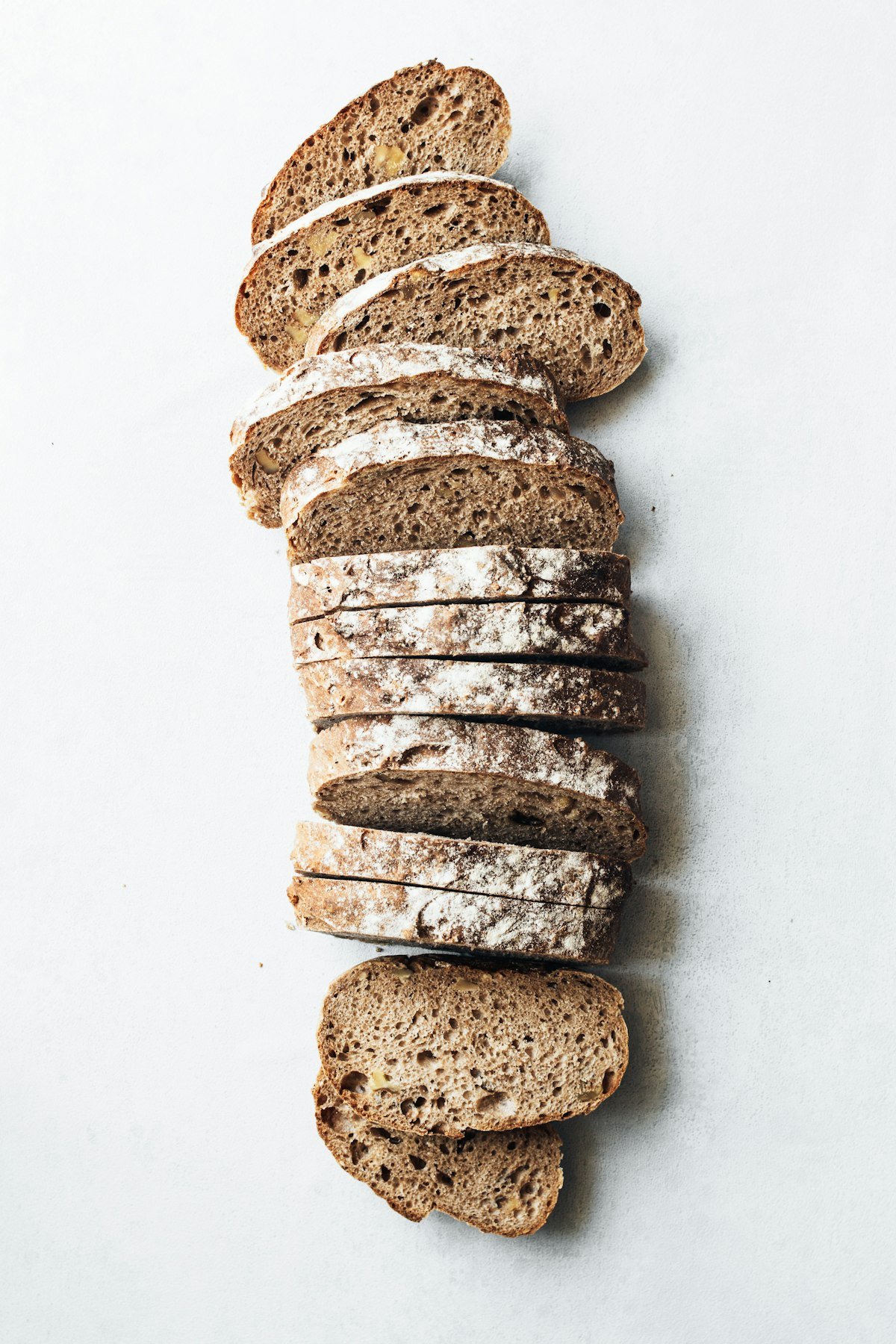
For individuals interested in making their own sourdough, the process is relatively straightforward yet requires patience. The basic ingredients include flour, water, salt, and a sourdough starter, which can be cultivated using wild yeast and bacteria found in the environment. To begin making sourdough at home, mix equal parts flour and water to create a thick paste, and allow it to sit at room temperature to capture wild yeast. Regular feeding with flour and water will enhance the starter’s strength over time.
Once you have a robust starter, you can convert it into a dough by mixing it with more flour and water, then allowing it to rise for several hours. The resulting bread boasts a tangy flavor and a chewy texture, which many find appealing. By incorporating homemade sourdough into your diet, you are not only choosing a delicious alternative but also embracing a bread option that is potentially better for your overall health.
Rice Paper Wraps: Asian Inspired Bread Free Meals
Rice paper wraps present a unique and versatile alternative to traditional bread, offering a delightful way to create light and healthy meals. Originating from Asian cuisine, these thin, flexible sheets made from rice flour can be easily manipulated into various shapes and filled with a multitude of ingredients, catering to diverse tastes and dietary needs.
One popular use for rice paper wraps is in the crafting of sushi rolls. By incorporating fresh sushi-grade fish, avocados, and vegetables, these wraps serve as a gluten-free substitute for the typical seaweed rolls. The translucent nature of rice paper allows for an aesthetically pleasing presentation, showcasing vibrant colors of the fillings inside.
Additionally, rice paper wraps can be used creatively for wraps filled with crunchy vegetables, seasoned proteins, or aromatic herbs. Popular choices include a combination of carrots, cucumbers, bell peppers, and leafy greens, which offer a refreshing crunch while packing in essential nutrients. This type of wrap can be enjoyed as a healthy lunch option or as a wholesome snack.
Another advantage of rice paper wraps is their low-calorie content compared to traditional bread, making them an appropriate choice for those monitoring their calorie intake. They can also be paired with various dipping sauces, such as hoisin, peanut, or sweet chili sauce, to enhance flavor and provide a satisfying culinary experience.
In essence, rice paper wraps are not only adaptable but also promote creativity in meal preparation. By exploring the limitless possibilities of filling combinations, one can easily discover new ways to satisfy cravings without compromising on health. Therefore, when contemplating what can I eat instead of bread, consider the exciting options that rice paper wraps can provide, enhancing both taste and nutrition.
Lettuce Wraps: Crisp and Crunchy Solutions
Lettuce wraps have emerged as a popular alternative to traditional bread products, providing a fresh, low-calorie option that is both nutritious and versatile. By substituting dense breads with crisp lettuce leaves, individuals seeking lighter meal options can enjoy familiar flavorswhile avoiding the carbohydrates that typically accompany sandwiches and burgers.
One of the key advantages of lettuce wraps is their ability to maintain a satisfying crunch, delivering a refreshing texture that enhances the overall eating experience. Varieties such as romaine, iceberg, and butter lettuce are particularly suited for wrapping, as they provide durability and support for various fillings.
Numerous fillings can be incorporated into lettuce wraps to create delightful meals that cater to a variety of tastes and dietary preferences. For example, seasoned grilled chicken or turkey, complemented with fresh vegetables and a light dressing, can make for a protein-packed lunch. Alternatively, a vegetarian option might include hummus, shredded carrots, cucumbers, and bell peppers, creating a vibrant and nutrient-rich wrap.
Furthermore, lettuce wraps can be easily enhanced by adding flavor-boosting ingredients such as avocado, salsa, or feta cheese. This wide range of potential fillings not only makes the wraps customizable but also allows them to serve as a suitable alternative for many classic dishes, such as burgers or wraps. By utilizing lettuce as a base, one can successfully replicate the essence of a meal without the additional calories found in conventional bread.
As individuals explore healthier bread choices, lettuce wraps stand out as an innovative and flavorful solution. They not only satisfy cravings for shape and filling but also encourage a more health-conscious approach to mealtime.
Egg Wraps: Protein-Packed Alternatives
Egg wraps have gained popularity as an excellent alternative to traditional bread, particularly for those seeking protein-rich and low-carb options. These versatile wraps are made by simply whisking eggs and then cooking them in a frying pan until they solidify, creating a thin layer that can be easily rolled or folded. This preparation method enables individuals to enjoy a nutritious meal without the carbohydrates typically associated with bread.
One of the main benefits of egg wraps is their high protein content. Eggs are a complete source of protein, meaning they contain all nine essential amino acids necessary for bodily functions. For those following a low-carb diet, swapping out traditional bread for egg wraps can contribute to reduced carbohydrate intake while still providing a satiating and hearty base for various fillings.
Egg wraps can be customized to suit a wide array of tastes and preferences. They can be filled with a variety of ingredients such as sautéed vegetables, lean meats, cheeses, or even avocado for added healthy fats. This flexibility allows for creative meal variations, from breakfast burritos to lunch wraps or dinner entrees. Incorporating flavorful spices and herbs during the egg preparation can also enhance the wrap’s taste, offering an exciting culinary experience.
In addition to their deliciousness, egg wraps serve as a great vehicle for other nutritious ingredients. For example, pairing them with leafy greens, like spinach or arugula, boosts the overall nutritional profile of the meal, making it an even healthier choice. They can also be stored in the refrigerator, allowing for meal prepping and making it convenient for busy lifestyles.
In conclusion, egg wraps not only provide a protein-packed alternative to bread but also cater to various dietary needs and preferences, making them a valuable addition to healthy eating habits.
Rye Bread and Other Whole Grain Options
Rye bread is often considered a superior alternative to traditional white bread, thanks to its rich flavor and numerous nutritional benefits. Made from rye flour, this bread is denser and darker than its white counterpart, offering a hearty texture that many find appealing. One of the standout benefits of rye bread is its higher fiber content, which can support digestive health and promote feelings of fullness. The fiber in rye is noted for being more soluble than in other grains, further contributing to improved gut health.
In addition to fiber, rye bread is a good source of several essential nutrients, including B vitamins, magnesium, iron, and antioxidants. These nutrients play important roles in various bodily functions, such as energy metabolism and immune support. Moreover, rye bread tends to have a lower glycemic index compared to white bread, making it a suitable option for individuals looking to manage their blood sugar levels.
Beyond rye bread, there are numerous whole grain alternatives that can serve as healthier substitutes for traditional bread. For example, spelt bread and whole wheat bread are also excellent choices, as they are made from whole grains that retain their natural nutrients and fiber. Homemade sourdough is another popular option, as the fermentation process can enhance digestibility and flavor while still being health-conscious.
For those looking to explore even more alternatives, cornbread or rice paper wraps provide unique textures and flavors while offering various nutritional benefits. Lettuce and egg wraps can also serve as practical and low-carb alternatives, allowing for creative meal options without the use of traditional bread. Each of these alternatives presents an opportunity to enjoy a range of flavors while maintaining a focus on healthier eating.