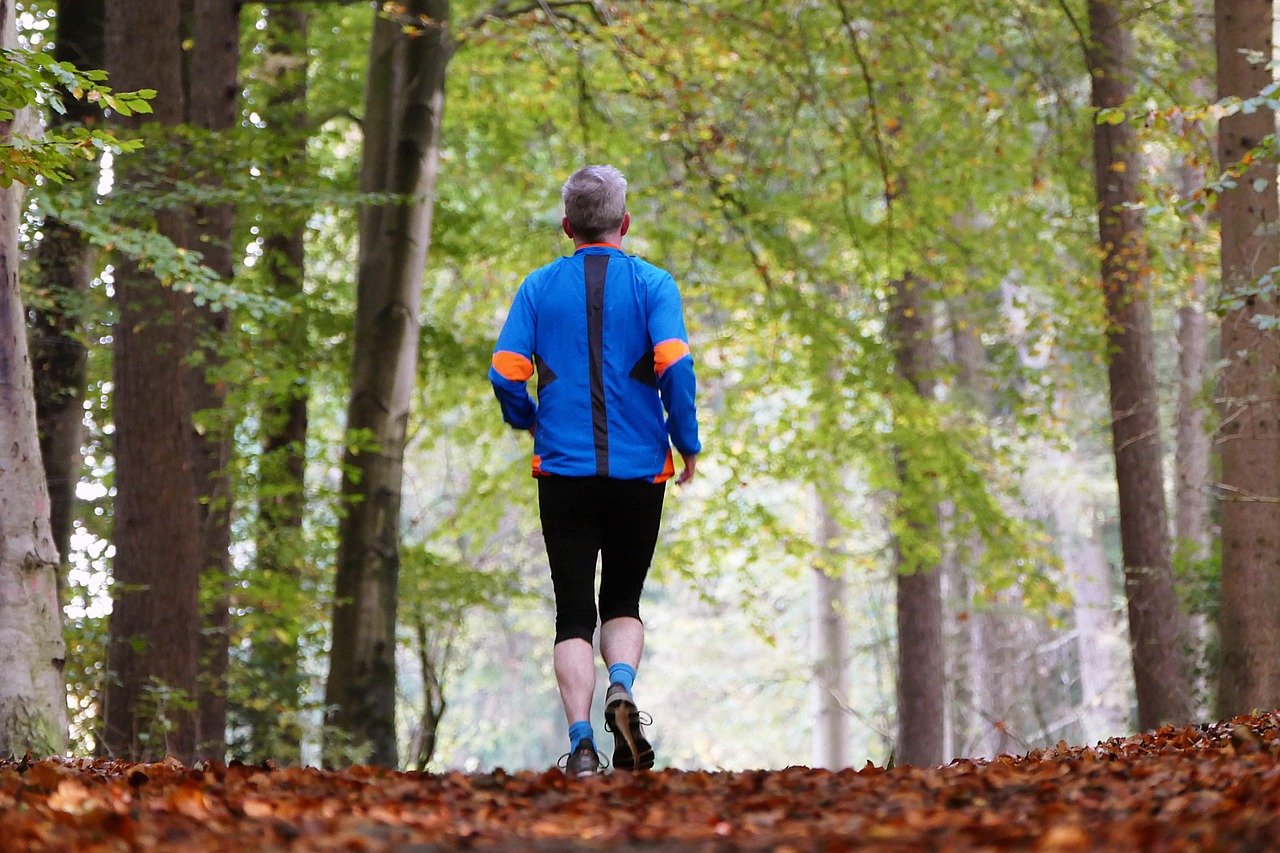










Introduction to Sustainable Weight Loss
Sustainable weight loss refers to a gradual and healthy approach to losing weight, allowing individuals to achieve their desired weight without drastic changes or harmful practices. In contrast to fad diets and quick-fix solutions, sustainable weight loss emphasizes the importance of a balanced diet and regular physical activity. This approach not only contributes to weight loss but also promotes long-term health and well-being.
When considering the question of how long does it take to lose 10kg?, it is crucial to recognize that a safe and effective weight loss rate generally falls between 0.5 to 1kg per week. Consequently, losing 10kg (approximately 22 lbs) typically takes about 10 to 20 weeks (2.5 to 5 months). However, this timeline can vary based on several individual factors such as starting weight, metabolic rate, diet regimen, exercise habits, and overall lifestyle.
While it may be tempting to seek faster results through severe calorie restrictions or extreme exercise routines, such methods often lead to short-term weight loss that is unsustainable in the long run. In fact, rapid weight loss can increase the likelihood of regaining the weight due to the body’s natural response to perceived starvation. A sustainable weight loss strategy focuses on creating a modest calorie deficit while ensuring that nutritional needs are met.
Ultimately, realistic timeframes for weight loss, such as the 10kg benchmark, benefit from a combination of improved dietary habits, consistent physical activity, and lifestyle modifications. Fostering a healthy relationship with food and engaging in enjoyable forms of exercise are essential components of this holistic approach. By adhering to these principles, individuals can achieve their weight loss goals while supporting their overall health.
Understanding the fundamental principles of weight loss is crucial for anyone embarking on the journey to a healthier weight. Central to weight loss is the concept of a calorie deficit, which occurs when an individual consumes fewer calories than their body expends. This deficit can be achieved through a combination of dietary changes and increased physical activity. It is generally recommended to aim for a sustainable weight loss rate of 0.5 to 1 kg per week. Thus, to lose 10 kg (about 22 lbs), it typically requires a duration of approximately 10 to 20 weeks, translating to a timeframe of around 2.5 to 5 months.
Metabolism also plays a significant role in how long it takes to lose 10 kg. The metabolic rate, which varies among individuals, influences the number of calories burned daily. Factors such as age, gender, body composition, and hormonal balance can affect metabolic efficiency. For example, muscle mass is metabolically active tissue; thus, individuals with a higher proportion of muscle may find it easier to maintain a calorie deficit.
Moreover, individual factors must be taken into account when discussing weight loss. Genetics, lifestyle, dietary preferences, and psychological readiness can all contribute to a person’s success in losing weight. It is important to emphasize that while faster weight loss might be appealing, it often involves drastic measures such as severe calorie restriction. These methods are typically not sustainable and increase the risk of regaining weight in the long run. Instead, a balanced approach that includes nutritious food options and regular physical activity is encouraged, fostering healthy habits that are maintainable over time.
How Long Does It Typically Take to Lose 10kg?
Losing weight is a journey that requires time, commitment, and a well-structured plan. When addressing the question, how long does it take to lose 10kg?, it is generally accepted that achieving this goal typically takes between 10 to 20 weeks. This timeframe promotes a healthy and sustainable rate of weight loss, which is approximately 0.5 to 1kg per week.
Emphasizing a gradual approach allows individuals to adopt healthier eating habits and incorporate regular physical activity into their routine. Although it is technically feasible to lose weight at a faster pace, such as through extreme caloric restriction, this rapid loss is often unsustainable. It can lead to physical and psychological strain, ultimately increasing the likelihood of regaining the lost weight.
A key element of sustainable weight loss is to focus on making manageable lifestyle changes. This involves incorporating a balanced diet rich in nutrients, rather than engaging in crash dieting, which might deliver short-term results but fails in the long run. By committing to a steady loss rate, individuals not only improve their likelihood of maintaining their weight loss but also enhance their overall well-being.
Factors that can influence the duration of weight loss include starting weight, dietary habits, exercise frequency, metabolism, and individual health status. Therefore, while the typical window for losing 10kg is 10 to 20 weeks, each person’s journey may vary widely. A personalized plan, including consultation with healthcare or nutrition experts, can facilitate a more accurate timeline tailored to individual circumstances.
Factors Influencing Weight Loss Duration
When considering the question, how long does it take to lose 10kg?, it is essential to acknowledge that various factors can significantly influence the duration of the weight loss journey. One of the primary determinants is an individual’s starting weight. People who begin their weight loss efforts at a higher weight may experience a more rapid initial loss, while those closer to their goal weight might find the process slower and more challenging.
Age can also play a critical role in the speed of weight loss. As individuals age, their metabolic rate typically declines, meaning they may require less energy (calories) for basic bodily functions. This slowed metabolism can lead to a more gradual process for losing 10kg, impacting total duration.
Gender differences must also be considered. Research indicates that men generally have a higher muscle mass and metabolic rate compared to women, which can lead to greater fat loss efficiency for men. Additionally, hormonal factors can affect weight loss patterns, making it imperative to understand how gender contributes to overall results.
Dietary choices significantly impact weight loss as well. Consuming a balanced diet rich in nutrients can promote a healthier metabolic process, facilitating sustained weight loss. Conversely, diets high in sugar and refined carbs may hinder progress. Pairing healthy eating with a consistent exercise routine can yield optimal results in losing weight.
Lastly, an individual’s lifestyle, including stress levels and sleep quality, can indirectly influence weight loss. Those who manage stress effectively and maintain a healthy sleep schedule are likely to experience more efficient weight loss. So, when pondering how long does it take to lose 10kg?, it’s crucial to consider these varying factors and recognize that personalized strategies will yield the best outcomes for sustained weight management.
The Risks of Rapid Weight Loss
Losing weight may seem ideal, particularly for those eager to shed excess pounds quickly. However, the method of weight loss plays a crucial role in both immediate and long-term health. When addressing the question of how long does it take to lose 10kg?, it is essential to consider the impacts of rapid weight loss. While it is technically possible to lose 10 kilograms (approximately 22 pounds) within a few weeks, this approach carries significant risks.
Rapid weight loss often results from extreme calorie restrictions or fad diets that may lead to nutritional deficiencies. Individuals who hastily drop their calorie intake may not receive adequate vitamins and minerals, which can manifest in various health issues, including weakness and fatigue. Furthermore, failing to consume enough nutrients might impede proper bodily functions and harm overall well-being.
An additional concern of swift weight loss is muscle loss. Healthy weight loss should emphasize the preservation of lean muscle mass, as muscle is vital for maintaining metabolism. A drastic reduction in calorie intake can lead the body to consume muscle for energy, ultimately decreasing one’s metabolic rate and making it more challenging to sustain weight loss in the long run.
Moreover, individuals pursuing rapid weight loss are often at a heightened risk of regaining the lost weight, sometimes referred to as the “yo-yo effect.” When extreme diets are abandoned, normal eating patterns often resume, leading to a rebound in weight. Research suggests that losing 10kg effectively and sustainably typically requires 10 to 20 weeks (2.5 to 5 months) at a healthy rate of 0.5-1kg per week. The focus should be on making gradual, lifestyle changes that promote a healthy balance of nutrition and exercise.
Creating a Sustainable Weight Loss Plan
Formulating a sustainable weight loss plan is essential for anyone seeking to achieve their target weight efficiently and healthily. When considering how long does it take to lose 10kg?, it is crucial to adopt a structured approach that takes into account balanced nutrition, regular physical activity, and realistic goals.
Initially, individuals should assess their current dietary habits and make gradual adjustments to promote healthier eating. This includes incorporating a variety of nutrient-dense foods, including fruits, vegetables, whole grains, lean proteins, and healthy fats. By prioritizing natural foods and minimizing processed options, one can effectively create a caloric deficit necessary for losing 10kg (approximately 22 lbs) while still receiving essential nutrients.
In addition to nutrition, establishing a regular exercise routine is vital. A combination of aerobic activities, such as walking, jogging, or cycling, alongside strength training exercises can significantly enhance weight loss efforts. Ideally, one should aim for at least 150 minutes of moderate aerobics per week, supplemented by two days of strength training. This consistent activity not only contributes to burning calories but also helps boost metabolism and maintain muscle mass, which is beneficial during weight loss.
Setting realistic weight loss goals is another critical element. Losing 10kg typically takes 10 to 20 weeks (2.5 to 5 months) at a sustainable rate of 0.5-1kg per week. Establishing short-term objectives, such as achieving 2kg losses within a month, can help keep motivation high while ensuring accountability. It is also crucial to celebrate small victories and make necessary adjustments along the way, as individual responses to diet and exercise can vary greatly.
Tips for Maintaining Motivation During Weight Loss
Maintaining motivation during the journey of losing 10kg can be challenging, but implementing effective strategies can help keep one focused and committed. First, setting realistic milestones is crucial. Instead of fixating solely on the ultimate goal of losing 10kg, break the journey into smaller, manageable objectives. Celebrate each milestone achieved, whether it is losing 1kg or sticking to a meal plan for a week, as these small victories can significantly boost motivation.
Another valuable strategy is tracking progress. Keeping a journal or utilizing apps to monitor weight loss, dietary habits, and exercise routines can provide tangible evidence of improvement. This practice not only highlights achievements but also allows for reflections on what works and what doesn’t. Over time, assessing these records may reveal patterns that facilitate adjustments to one’s approach, ensuring that the process remains sustainable.
Seeking support from friends, family, or weight loss groups is equally important. Sharing the journey with others who have similar goals can provide encouragement and accountability. Whether through regular check-ins, joining online forums, or participating in local support groups, connecting with individuals pursuing similar objectives can significantly enhance motivation. These social interactions often foster a sense of community, making the weight loss journey feel less isolating.
Lastly, embracing a positive mindset is essential. Acknowledge that losing 10kg is not just a physical challenge but also a mental one. Focusing on the benefits of a healthier lifestyle and the strength gained throughout the journey can help maintain motivation. Understand that this journey is unique to each individual, and patience is key. Ultimately, consistent dedication to balanced nutrition and regular physical activity is fundamental in achieving and sustaining a healthy weight.
Long-Term Lifestyle Changes for Weight Management
Managing weight effectively requires more than simply reaching a target; it necessitates lasting lifestyle changes that promote overall well-being. After determining how long does it take to lose 10kg, individuals often encounter the challenge of maintaining their new weight, which is where healthy habits become indispensable. Sustainable practices in diet and exercise play a critical role in ensuring that the weight loss achieved is not only substantial but also enduring.
Developing a nutritious eating plan is one of the first steps towards weight management. Incorporating a variety of fresh fruits, vegetables, whole grains, lean proteins, and healthy fats can significantly contribute to overall health. Rather than focusing solely on caloric intake, individuals should aim for balanced meals that fuel their bodies and satisfy their hunger. This approach not only supports the process of losing 10kg (about 22 lbs) but also encourages healthier food choices in the long run, deterring potential weight regain.
In addition to diet, staying physically active is essential for successful weight maintenance. Regular exercise not only helps in burning calories but also contributes to muscle building, which can increase metabolism. Engaging in activities that one enjoys—be it walking, cycling, swimming, or group fitness classes—can transform exercise from a chore to an enjoyable routine. Ideally, individuals should target a mix of cardiovascular and strength training exercises throughout the week.
Adopting these long-term changes fosters a healthier lifestyle that not only mitigates the risk of regaining weight but also enhances overall quality of life. While knowing how long does it take to lose 10kg is crucial in planning weight loss journeys, sustaining those efforts should be viewed as equally important. By focusing on holistic and lifestyle-oriented strategies, individuals can better ensure they do not revert to old habits after achieving their goals.
Conclusion and Final Thoughts
In summary, the journey toward losing 10kg (approximately 22 lbs) is one that demands patience, commitment, and a focus on sustainable practices. As outlined in this post, losing 10kg typically requires a timeframe of 10 to 20 weeks, translating to a steady and healthy pace of about 0.5 to 1kg per week. This gradual approach ensures that the weight loss achieved is not only effective but also maintainable.
While it can be tempting to pursue rapid weight loss through extreme diets or excessive exercise, such methods often prove to be unsustainable in the long run. Individuals should be mindful of the fact that a significant calorie deficit can lead to quick results, but these solutions frequently result in the regain of lost weight once normal eating patterns resume. Thus, focusing exclusively on numbers may detract from the broader goal of improving overall health.
Instead of fixating solely on the scale, it is essential to embrace a holistic view of health that encompasses balanced nutrition, regular physical activity, and meaningful lifestyle changes. By cultivating these habits, individuals are not only more likely to achieve their weight loss goals but also improve their overall quality of life. Ultimately, the journey to a healthier weight is not merely about losing 10kg; it is about fostering a healthier relationship with food and embracing a lifestyle that promotes long-term wellness.
As you embark on or continue your weight loss journey, remember to celebrate small victories along the way and remain committed to your health. The insights shared throughout this blog post aim to equip you with the knowledge necessary to navigate the challenges of weight loss—always keeping in mind that the path to success is a marathon, not a sprint.