









Understanding the Basics of Weight Loss
Weight loss fundamentally relies on the principle of caloric balance, which signifies that to lose weight, you must burn more calories than you consume. This caloric deficit paves the way for effective weight loss, as it utilizes stored fat for energy, leading to a decrease in body weight over time. The primary goal is to take in fewer calories than you burn, ensuring that your body taps into its fat reserves.
The 2020-2025 Dietary Guidelines for Americans provide a robust framework for achieving a healthy weight loss trajectory. According to these guidelines, reducing your calorie intake by 500 to 750 calories per day can facilitate a gradual weight loss of approximately 1 to 1.5 pounds (0.5 to 0.7 kilograms) each week. This reduction is essential for maintaining energy levels while promoting fat loss without compromising overall health.
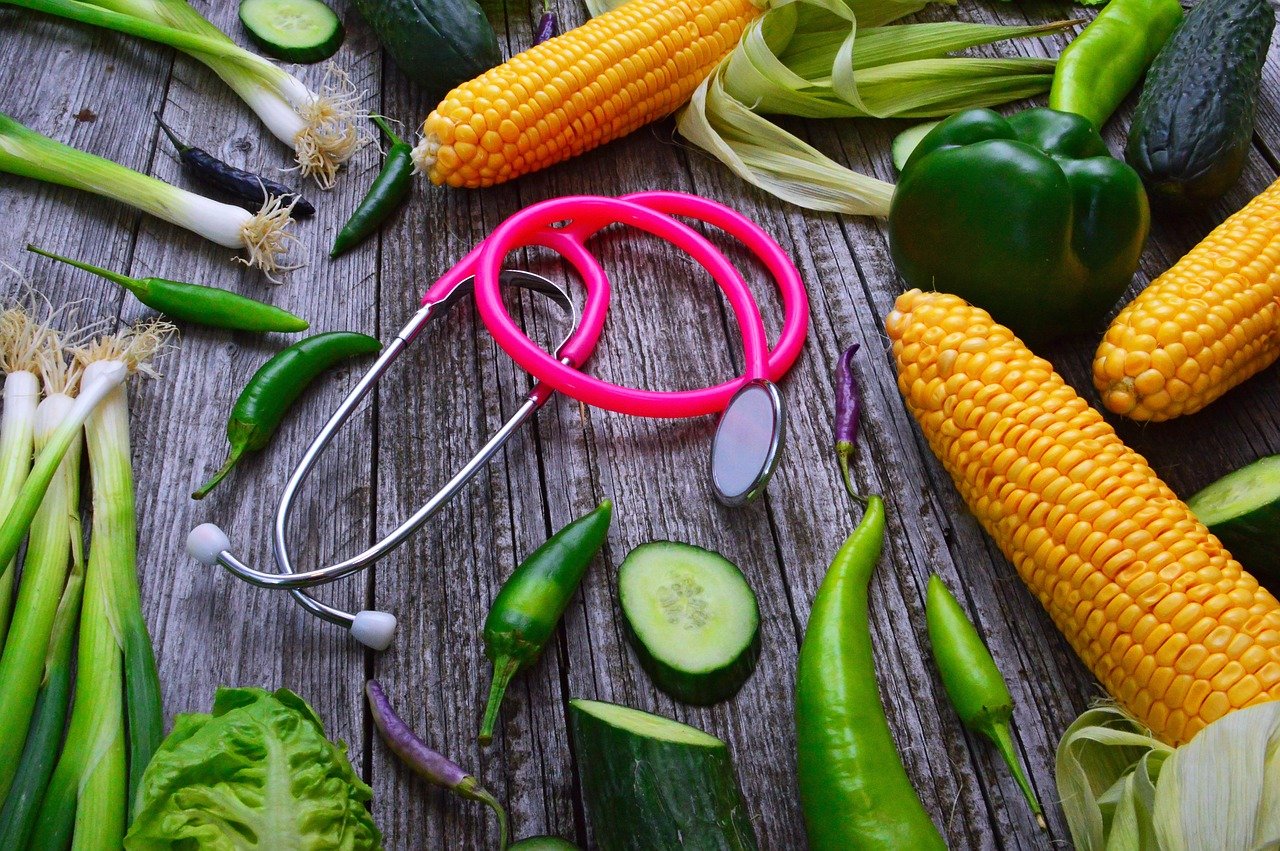
Creating a caloric deficit can be achieved through various methods, including mindful eating, portion control, and selecting nutrient-dense foods that are lower in calories. Emphasizing fruits, vegetables, whole grains, and lean proteins can help meet dietary needs while facilitating weight loss.
Additionally, incorporating physical activity into your daily routine not only burns calories but also enhances your metabolic rate. Engaging in regular exercise is crucial for fast-tracking your weight loss goals and sustaining the results in the long run. By increasing your level of physical activity, you further complement the caloric deficit established through diet.
In essence, understanding the interplay between caloric intake and expenditure is vital for anyone looking to navigate the complexities of weight loss. By deliberately managing both aspects, individuals can create a balanced approach to achieving their desired weight loss outcomes.
Caloric Deficit: How Much to Cut?
Creating a caloric deficit is crucial when considering how to speed up weight loss effectively. The 2020-2025 Dietary Guidelines for Americans recommend that individuals looking to lose weight aim to cut between 500 to 750 calories from their daily caloric intake. This reduction is designed to foster a safe and manageable weight loss rate, typically translating to approximately 1 to 1.5 pounds (0.5 to 0.7 kilograms) of weight loss each week.
To understand what cutting 500 to 750 calories looks like, one must first determine their daily caloric needs based on their age, gender, weight, height, and activity level. Once this baseline is established, individuals can plan meals and snacks that help in to take in fewer calories than you burn. For instance, if your daily caloric requirement is 2,000 calories for maintenance, consuming between 1,250 to 1,500 calories daily would create the desired deficit.
In practical terms, achieving this caloric reduction can involve various strategies. This may include portion control, opting for lower-calorie foods such as fruits and vegetables, and minimizing high-calorie snacks and beverages. Furthermore, keeping a food diary or utilizing apps to track caloric intake can provide critical insights into eating habits and help maintain accountability.
Moreover, it is important to complement caloric deficit efforts with increased physical activity. Regular exercise not only aids in burning additional calories but can also enhance overall health and well-being. Incorporating a mix of cardiovascular workouts, strength training, and flexibility exercises can expedite weight loss progress while helping maintain that weight loss more effectively.
Incorporating Physical Activity into Your Routine
Incorporating physical activity into your daily routine is essential for accelerating weight loss. Engaging in various types of exercises can enhance your efforts to take in fewer calories than you burn. This is a critical principle for anyone wondering how to speed up weight loss effectively. The 2020-2025 Dietary Guidelines for Americans suggest aiming to cut 500 to 750 calories per day to achieve a weight loss of 1 to 1.5 pounds (0.5 to 0.7 kilograms) weekly. However, combining calorie reduction with increased physical activity can amplify these results.
To begin, cardiovascular exercises, such as running, cycling, or swimming, are highly effective for burning calories. These activities elevate the heart rate, promoting higher energy expenditure during and after the workout. Experts recommend engaging in at least 150 minutes of moderate-intensity aerobic activity weekly, which can be divided into manageable sessions throughout the week.
In addition to cardio, incorporating strength training into your routine is equally important. Resistance exercises, like weightlifting or bodyweight workouts, build muscle mass, which, in turn, increases your basal metabolic rate. This means that as you add muscle, your body burns more calories at rest, further contributing to your weight loss goals.
Lastly, integrating flexibility exercises, such as yoga or stretching, can aid in recovery and maintain overall physical health. While these may not directly contribute to burning calories, they enhance your ability to perform other physical activities, promoting a more active lifestyle.
Ultimately, by adding a variety of physical activities to your regimen, you can enjoy a more sustainable weight loss journey. Strive to include both cardio and strength training, while not neglecting the importance of flexibility exercises. With dedication and consistency, you will be better equipped to reach your weight loss objectives more rapidly.
Setting Realistic and Achievable Goals
Establishing realistic and achievable goals is crucial when embarking on a weight loss journey. It ensures that individuals can measure their progress effectively and stay motivated throughout the process. First and foremost, it’s important to understand that losing weight requires you to take in fewer calories than you burn. Following the 2020-2025 Dietary Guidelines for Americans, a reduction of 500 to 750 calories per day is recommended to achieve a weight loss of 1 to 1.5 pounds (0.5 to 0.7 kilograms) weekly. This moderate pace not only promotes healthier habits but also enhances long-term sustainability.
When setting goals, it is beneficial to consider personal factors such as body composition, current weight, lifestyle, and overall health. Goals tailored to individual circumstances are more likely to be realistic and achievable. For example, a person with a sedentary lifestyle may set a goal of losing half a pound per week initially, while someone more active might aim for a higher target. Moreover, it is advisable to consider both short-term and long-term goals. Short-term goals could include adopting healthier eating habits or increasing physical activity, whereas long-term goals should focus on sustainable weight management.
Tracking progress is a vital component of any weight loss strategy. Keeping a journal or using apps can help monitor food intake, exercise routines, and overall weight fluctuations. This data serves as a valuable resource, allowing individuals to identify patterns over time and adapt their strategies as necessary. Additionally, incorporating regular physical activity can not only help to augment the calorie deficit but also lead to quicker achievement of weight-loss goals, making it essential to balance diet with exercise.
In conclusion, when learning how to speed up weight loss, setting realistic and attainable goals tailored to individual needs is an effective strategy. By carefully managing caloric intake and promoting regular physical activity, individuals can successfully track and realize their weight-loss objectives.
Nutrition: Eating for Weight Loss
Achieving weight loss goals requires careful consideration of nutrition. To understand how to speed up weight loss, one must focus on consuming a balanced diet that allows one to take in fewer calories than one burns. The 2020-2025 Dietary Guidelines for Americans recommend reducing daily caloric intake by 500 to 750 calories to facilitate a weight loss of 1 to 1.5 pounds (0.5 to 0.7 kilograms) each week. This guideline emphasizes the importance of meal planning and portion control in reaching weight-loss objectives.
Incorporating key food groups is essential for a nutritious diet. Whole foods, such as fruits, vegetables, lean proteins, and whole grains, should form the foundation of meals. These food groups not only provide vital nutrients but also help increase satiety, the feeling of fullness, which is crucial for calorie reduction. High fiber foods, such as legumes and whole grains, can particularly aid in achieving this goal.
Portion control plays a pivotal role in limiting caloric intake. Using smaller plates and bowls can assist in managing serving sizes effectively. Eating slowly and mindfully can also contribute to noticing hunger and fullness cues more easily, helping individuals avoid overeating.
Meal preparation is another effective strategy to ensure nutritional goals are met without compromising on calorie control. Preparing meals in advance allows individuals to choose healthy ingredients and portion sizes, making it easier to stick to caloric guidelines. Moreover, having nutritious meals readily available can prevent the temptation of resorting to unhealthy snack options.
In conclusion, employing practical nutrition strategies such as understanding food groups, managing portions, and preparing meals in advance can significantly aid individuals looking to speed up weight loss. By adhering to these guidelines, one can create a healthier relationship with food while achieving weight-loss goals efficiently.
Hydration: The Overlooked Factor
When considering effective strategies on how to speed up weight loss, one often overlooked aspect is hydration. Drinking sufficient amounts of water is not only vital for overall health, but it also plays a crucial role in regulating appetite. Many individuals often mistake thirst for hunger, which can lead to unnecessary calorie consumption. Staying adequately hydrated can help mitigate this confusion, ensuring that individuals are taking in fewer calories than they burn.
According to the 2020-2025 Dietary Guidelines for Americans, maintaining a proper hydration level is essential for effective weight management. The guidelines recommend cutting 500 to 750 calories a day to achieve a sustainable weight loss of 1 to 1.5 pounds (0.5 to 0.7 kilograms) per week. Incorporating water-rich foods and beverages into one’s diet is a tangible strategy to help meet these guidelines and enhance one’s weight loss efforts.
Additionally, it is important to be aware of the pitfalls associated with sugary beverages. Sodas, sweetened teas, and energy drinks can contain a high number of calories, contributing significantly to daily calorie intake without providing any substantial nutritional benefits. These drinks can easily disrupt your weight loss journey. By opting for water or herbal teas instead, individuals can drastically decrease their calorie consumption while enjoying a refreshing beverage.
Furthermore, proper hydration can enhance physical performance. Adding more physical activity to your daily routine can lead to quicker achievement of weight-loss goals and assist in maintaining the weight loss achieved. When the body is well-hydrated, it functions more efficiently, making it easier to engage in exercise and physical activities that support weight loss.
The Role of Sleep and Stress Management
Achieving effective weight loss is not solely about diet and exercise; it significantly involves sleep quality and the management of stress levels. Research indicates that inadequate sleep can disrupt hormones that regulate appetite, leading to increased feelings of hunger and cravings for high-calorie foods. Consequently, understanding how to speed up weight loss necessitates an examination of these factors.
To enhance your chances of reaching your weight-loss goals, it’s essential to prioritize sleep hygiene. This includes establishing a consistent sleep schedule by going to bed and waking up at the same time each day. Aim for 7 to 9 hours of sleep per night, as this amount is generally associated with optimal health and weight management. Moreover, creating a conducive sleep environment—dimming lights, reducing noise, and avoiding screens before bedtime—can enhance the quality of your sleep, ultimately helping to regulate your metabolism.
Stress is another crucial factor that can impede weight loss efforts. Elevated cortisol levels, often a result of chronic stress, can lead to increased appetite and cravings for unhealthy foods. Incorporating stress management techniques can, therefore, be beneficial. Strategies such as mindfulness meditation, yoga, and regular physical activity can effectively reduce stress. These practices have the dual benefit of improving mental health and enhancing physical wellbeing, enabling individuals to take in fewer calories than they burn.
The 2020-2025 Dietary Guidelines for Americans recommend that to lose weight effectively, a reduction of 500 to 750 calories per day is necessary to achieve a safe loss of 1 to 1.5 pounds (0.5 to 0.7 kilograms) weekly. Integrating adequate sleep and stress management into your lifestyle not only helps establish a conducive environment for weight loss but also ensures that your efforts are sustained. By understanding and managing these factors, you can further optimize your journey on how to speed up weight loss.
Tracking Your Progress
To effectively understand how to speed up weight loss, meticulously tracking your progress is essential. Monitoring your daily food intake, exercise routines, and overall weight can provide insightful data to help you adjust your strategies. One of the simplest ways to track progress is by maintaining a food diary. This method involves recording everything you eat throughout the day, which helps in realizing your calorie intake and understanding your eating patterns.
In today’s digital age, numerous mobile applications are available that can significantly enhance the tracking process. These apps often allow users to input food items, showing not just calorie content but also macronutrients and other essential information. Using an app can also assist in setting personal goals, such as aiming to take in fewer calories than you burn for weight loss effectiveness. Some popular applications include MyFitnessPal, Lose It!, and Cronometer, which can cater to diverse dietary preferences.
Regular weight checks are another critical component of monitoring your progress. Weighing yourself once a week can give you a clear picture of your trajectory. However, it is important to keep in mind that weight may fluctuate due to reasons such as water retention or muscle gain, particularly when you’re increasing your physical activity. The 2020-2025 Dietary Guidelines for Americans recommend cutting 500 to 750 calories a day to lose between 1 to 1.5 pounds (0.5 to 0.7 kilograms) weekly, and your weight checks can help determine if you’re meeting these goals.
Additionally, consider taking measurements of key areas such as your waist, hips, and thighs. This complementary approach can illustrate fat loss that may not always be reflected on the scale. By utilizing a combination of these tools and techniques, you can create a solid foundation for reaching your weight-loss objectives and maintaining your progress over time.
Sustaining Your Weight Loss Efforts
Achieving weight loss goals is a commendable accomplishment; however, the real challenge lies in maintaining these results over the long term. To effectively sustain your weight loss efforts, it is essential to cultivate healthy habits that are both practical and enjoyable. One fundamental principle is to consistently adhere to the idea of taking in fewer calories than you burn. The 2020-2025 Dietary Guidelines for Americans recommend reducing caloric intake by 500 to 750 calories a day to lose between 1 to 1.5 pounds (0.5 to 0.7 kilograms) weekly.
Integrating physical activity into your daily routine is another critical aspect of successful weight maintenance. Increasing your level of physical activity not only assists in achieving your initial weight-loss goals faster but also plays a vital role in maintaining your new weight. Aim for at least 150 minutes of moderate-intensity aerobic exercise per week, complemented by strength training exercises at least twice a week. This balanced approach enhances metabolism and helps prevent weight regain.
In addition to exercise, establishing a consistent eating schedule can aid in sustaining weight loss. Focus on incorporating nutrient-dense foods into your diet, such as fruits, vegetables, lean proteins, and whole grains. Avoiding high-calorie, low-nutrient foods can help you remain within your caloric limit while still feeling satiated and energized. Furthermore, staying hydrated and being mindful of portion sizes will contribute to better dietary management.
It is also crucial to be aware of common pitfalls that can lead to regaining weight. Emotional eating, lack of accountability, and abandoning healthy routines during stressful periods are typical traps that many fall into. To combat these challenges, consider keeping a food diary or partnering with a friend to share your progress and encourage one another. By implementing these strategies and fostering a positive mindset, you can successfully navigate the journey of maintaining your weight loss over time.