









Introduction to CBD and Its Uses
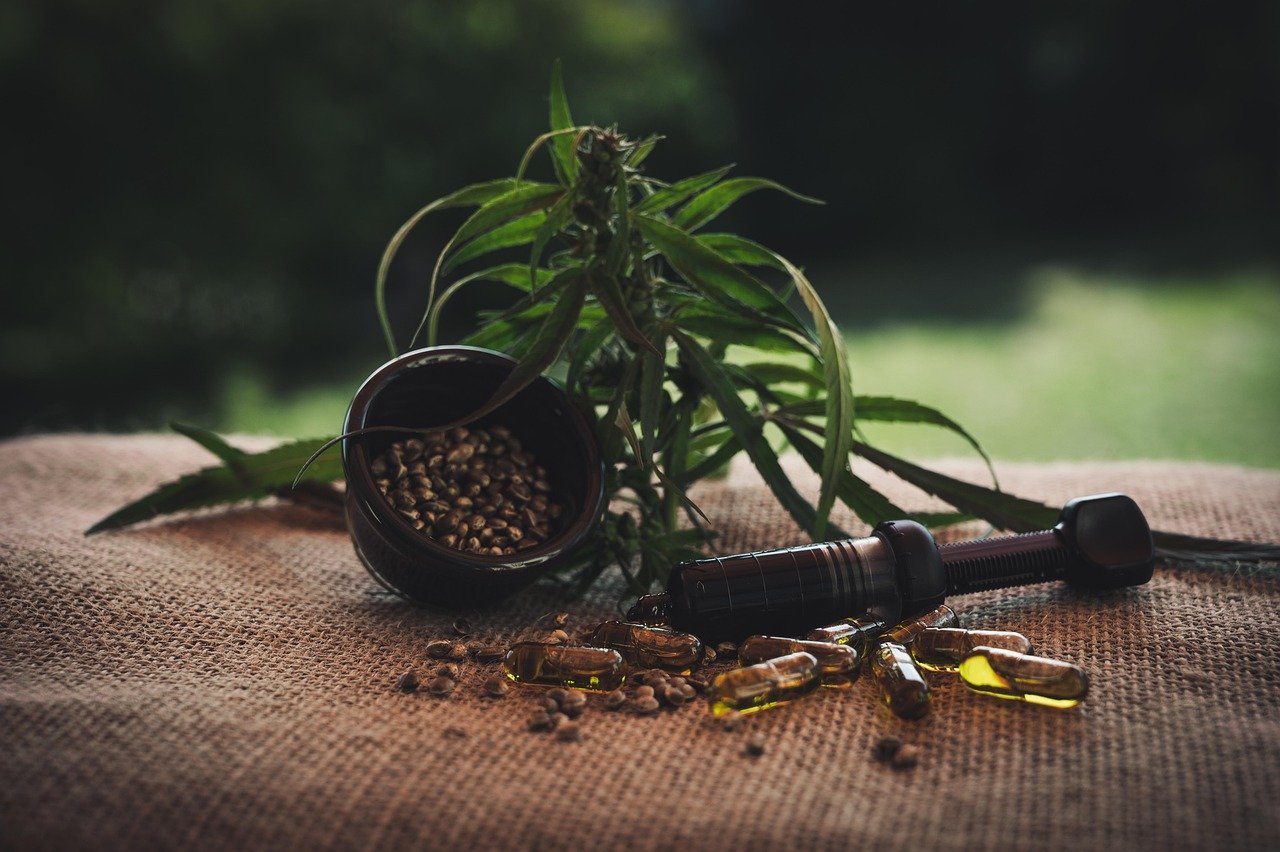
CBD, or cannabidiol, is a naturally occurring compound found in the Cannabis sativa plant, which includes both hemp and marijuana. Unlike its more famous counterpart, THC (tetrahydrocannabinol), CBD does not produce any psychoactive effects, making it a popular option for those seeking the potential benefits of cannabis without the “high”. CBD is extracted from the hemp plant, which contains higher concentrations of this compound and lower levels of THC.
The growing popularity of CBD products is due in part to its perceived benefits in the health and wellness sector. Many consumers turn to CBD for various reasons, including the management of anxiety, chronic pain, and insomnia, as well as for its potential anti-inflammatory properties. Among the vast array of CBD products available today, CBD gummies have emerged as a favored choice due to their convenience and palatable flavors. These gummies provide a discreet and enjoyable method of consuming CBD, making it accessible to a wider audience.
However, it is essential to understand that while CBD (cannabidiol) is generally considered safe, there are ongoing discussions regarding its effects on liver health. Some studies indicate that CBD may raise levels of liver enzymes, which could be a sign of liver damage. This effect is typically observed at very high doses of CBD or when taken alongside certain medications, prompting questions regarding the safety of frequent use, particularly for those with pre-existing liver conditions.
As consumers increasingly incorporate CBD into their wellness routines, it is vital to explore these potential risks associated with its use and to consider the implications of such findings on the widespread consumption of CBD products, including gummies.
The Basics of Liver Health
The liver is a vital organ that plays a crucial role in maintaining overall health. It is responsible for various functions including detoxification of harmful substances, production of proteins, and regulation of metabolism. The liver also aids in the digestion of food by producing bile, which is essential for breaking down fats in the diet. Maintaining proper liver function is essential as it affects numerous bodily systems, thereby influencing overall health and well-being.
Liver health can be assessed by measuring liver enzymes in the blood. These enzymes, including alanine aminotransferase (ALT) and aspartate aminotransferase (AST), are released into the bloodstream when liver cells are damaged. Elevated levels of these enzymes may indicate inflammation, infection, or other forms of liver damage. Consequently, monitoring liver enzyme levels is significant, especially for individuals who consume substances that may exert stress on the liver.
Understanding the implications of elevated liver enzymes is important, particularly in relation to substances like CBD (cannabidiol), which is featured prominently in discussions about health. While CBD is generally considered safe, there is evidence to suggest that it may raise your levels of liver enzymes, which could be a sign of liver damage. In most cases, this happens with very high doses of CBD or when it’s taken with certain medications, necessitating careful monitoring and consideration of dosage.
Given the liver’s central role in metabolism, acknowledging the potential impacts of various substances, including CBD gummies, on liver health is paramount for proactive wellness. Engaging in practices that support liver health, such as a balanced diet, regular exercise, and moderation in substance consumption, can foster long-term health benefits.
Understanding CBD’s Interaction with Liver Enzymes
Cannabidiol (CBD) is primarily metabolized in the liver, which plays a significant role in its interaction with various liver enzymes. The liver, being the body’s detoxifier, processes CBD through cytochrome P450 enzymes, which are crucial for drug metabolism. This metabolic pathway is essential, as it allows the body to break down CBD into its metabolites. However, the involvement of these enzymes raises concerns regarding the potential impact of CBD on liver health, particularly for those who consume high doses or have pre-existing liver conditions.
Studies have indicated that while CBD (cannabidiol) is generally considered safe, its use may result in an elevation of liver enzymes. This increase could signal liver damage, emphasizing the need for caution. Most instances of elevated enzyme levels occur with very high doses of CBD or when CBD is combined with certain medications that also undergo the same metabolic pathway. Therefore, individuals using CBD must be mindful of their dosage and any concurrent medications to minimize the risk of adverse effects.
Factors such as individual health status, dosage, and the presence of other substances can impact how the liver processes CBD. For example, individuals with liver diseases should consult healthcare professionals before starting any CBD regimen. Additionally, certain lifestyle choices, such as alcohol consumption, can compound the effects of CBD on liver enzymes. Therefore, understanding how CBD is metabolized and its interaction with liver enzymes is crucial for safe consumption.
Continued research is necessary to fully comprehend the long-term effects of CBD on liver health and to establish safe usage guidelines. Individuals concerned about liver enzyme elevation should consider regular monitoring and consult healthcare providers to tailor their CBD intake safely.
High Doses of CBD: Risks and Concerns
Cannabidiol (CBD) has garnered significant attention for its potential therapeutic benefits, commonly found in products such as CBD gummies. However, the consumption of high doses raises important questions regarding its safety, particularly concerning liver health. Recent studies have indicated that while CBD (cannabidiol) is generally considered safe, there is a correlation between elevated levels of CBD and liver enzyme variations, which can be indicative of liver damage.
According to research published in relevant health journals, excessive consumption of CBD might lead to increased liver enzymes, primarily when high doses—often above 20 mg/kg body weight per day—are ingested. Although individual tolerance to CBD varies greatly, consuming amounts significantly surpassing the standard recommended doses poses risks not only to the liver but also to overall health. It is important to recognize what constitutes a ‘high dose’ of CBD, as this is critical in assessing the potential risks associated with its use.
Furthermore, when CBD is combined with certain medications, the interaction can exacerbate the liver’s workload, ultimately leading to more serious complications. This is particularly relevant for individuals already taking prescription drugs metabolized by the liver, as high doses of CBD may hinder the efficacy of these medications or increase their toxicity. Therefore, consulting healthcare professionals before initiating CBD use, particularly in gummy form or other edibles, is advisable for those with pre-existing liver conditions or those already on medication.
In conclusion, while CBD gummies may offer relief and therapeutic effects, moderation is paramount. Understanding the risks of high doses can help users make informed decisions about their consumption and prioritize their health and safety.
Drug Interactions and CBD: A Cautionary Tale
As research into CBD (cannabidiol) continues to grow, understanding its interactions with various medications is critical for users, particularly regarding liver health. CBD is metabolized in the liver, where it can influence the activity of certain liver enzymes. These interactions can lead to significant consequences when combined with other medications that also impact liver function.
Medications that are known to alter liver enzymes include those prescribed for conditions such as epilepsy, depression, and infections. When taken concurrently with CBD, these drugs may lead to increased levels of liver enzymes, raising potential risks. In some cases, elevated liver enzymes can indicate liver damage or dysfunction, signaling that caution is warranted.
Specifically, drugs such as certain statins, anticoagulants, and antiepileptic medications are known to have interactions with CBD. Patients on these medications should consult with a healthcare professional before incorporating CBD products into their routine. The combination of these drugs with high doses of CBD could exacerbate liver-related side effects. Although CBD (cannabidiol) is generally considered safe for many users, this does not extend to everyone, especially those on complex medication regimens.
Healthcare professionals typically recommend maintaining open communication regarding all supplements and medications. Individuals are encouraged to monitor for signs of liver issues, which may manifest as fatigue, jaundice, or unexplained abdominal pain. By recognizing these symptoms early, one can take proactive measures in collaboration with their healthcare provider.
In summary, the relationship between CBD and liver enzyme modulation is a nuanced subject requiring careful consideration. Engaging in informed discussions with healthcare providers can ensure safe usage, allowing individuals to enjoy the benefits of CBD, while mitigating potential risks associated with drug interactions.
Research Findings on CBD and Liver Health
Cannabidiol (CBD) has gained popularity for its therapeutic potential, but its effects on liver health have raised important questions. Research indicates that while CBD is generally considered safe, it may raise liver enzyme levels, which could indicate potential liver damage. A pivotal study published in the Journal of Clinical Medicine evaluated the impact of CBD on hepatic enzyme levels in both animal and human models. The authors reported that high doses of CBD resulted in a notable increase in liver enzymes among some participants, highlighting that the effects may be dose-dependent.
Another significant research effort was undertaken by the US National Institutes of Health, which investigated the metabolic effects of CBD in conjunction with common medications. This study concluded that the concurrent use of CBD and certain medications could lead to elevated liver enzymes, further emphasizing the necessity for caution in individuals taking other liver-affecting drugs.
Conversely, several studies, including a controlled trial reported in the Journal of Psychopharmacology, suggested that moderate doses of CBD did not adversely affect liver enzyme levels. These findings indicate that low to moderate doses of CBD are likely safe for the majority of users. Moreover, some researchers have proposed that CBD might have a hepatoprotective effect, offering a counterbalancing benefit against liver toxicity from other substances.
The variation in findings underscores the importance of considering individual health conditions, dosages, and the specific formulation of CBD products used when assessing the question, “Is CBD gummies hard on the liver?” Thus, individuals are encouraged to disclose their CBD use to healthcare providers, particularly if they are already prescribed medications that may influence liver function.
What the Experts Say: Medical Opinions on CBD Safety
Healthcare professionals generally agree that CBD (cannabidiol) is considered safe for most adults when used appropriately. However, opinions may vary regarding its effects on liver health. Some studies indicate that while CBD gummies and other products are generally well tolerated, there is potential for increased liver enzymes, which may signal liver damage. This concern is particularly relevant when CBD is taken in high doses or in conjunction with certain medications.
Pharmacists and doctors often stress the importance of understanding dosage. A common recommendation is to start with a low dose and gradually increase it if necessary, while closely monitoring the body’s response. For individuals who already have liver conditions or are taking medications that affect liver function, it is advisable to consult healthcare providers before incorporating CBD into their regimen.
The National Institutes of Health has noted that while CBD exhibits considerable promise for various therapeutic applications, including anxiety and chronic pain, the long-term effects on liver health are not yet fully understood. Experts suggest that patients requiring CBD for medical purposes conduct regular liver function tests, especially when consuming doses higher than the recommended guidelines.
Furthermore, pharmacists advocate for education surrounding CBD use, emphasizing the importance of sourcing products from reputable manufacturers. Ensuring product safety is critical, as unregulated CBD products may contain impurities or inconsistent dosages. In essence, while many healthcare professionals acknowledge the therapeutic advantages of CBD, they collectively identify potential risks to liver health, underscoring the necessity for careful consideration and professional guidance.
User Experiences: Testimonials and Anecdotes
As the popularity of CBD gummies continues to grow, many users have begun to share their experiences regarding the consumption of these products and their impact on liver health. A considerable number of individuals have reported various benefits from using CBD, including anxiety relief, improved sleep quality, and reduced inflammation. Among these users, some have expressed concerns about whether is CBD gummies hard on the liver? They have sought answers based on personal evaluations and feedback from healthcare providers.
One user, who had been taking CBD gummies regularly for chronic pain management, noted that while they experienced significant pain relief, they were initially apprehensive about potential effects on liver health. According to this user, after consulting with their doctor, they were reassured that CBD (cannabidiol) is generally considered safe. However, they also mentioned being aware that it might raise liver enzyme levels, especially when taken in high doses or in conjunction with certain medications.
Another user shared a contrasting view, indicating that while they had experienced positive effects on their anxiety and mood, they decided to undergo routine liver function tests. Surprisingly, their results showed an increase in liver enzymes. This prompted them to reduce their intake, leading to normalization of enzyme levels. They urged others contemplating CBD gummies to carefully monitor their health and consult with their physicians to ascertain any risks associated with their use.
While anecdotal experiences vary widely, they highlight the importance of recognizing that is CBD gummies hard on the liver? is a question not easily answered universally. It seems to depend on factors such as dosage, individual health conditions, and concurrent medication use. These personal stories serve as a reminder of the need for further research into the long-term effects of CBD on liver health.
Conclusion: Making Informed Decisions About CBD
In evaluating the safety of CBD, particularly in the form of gummies, it is essential to note that while CBD (cannabidiol) is generally considered safe, there are nuances to its usage that require careful consideration. Research indicates that high doses of CBD may raise liver enzyme levels, an indication of potential liver damage. This situation is more likely to arise in individuals consuming elevated doses or those who are on certain medications that interact adversely with CBD.
For those with pre-existing liver conditions, the question “is CBD gummies hard on the liver?” becomes increasingly pertinent. International guidelines suggest that consulting with a healthcare provider is a critical step before integrating CBD into one’s health regimen, especially for individuals at risk. A medical professional can provide tailored insights based on personal health history and existing medications, ensuring that the use of CBD products does not complicate pre-existing conditions.
Additionally, understanding individual reactions to CBD is vital, as responses can vary significantly among users. Factors such as metabolism, dosage, and overall health contribute to how one might process CBD, including potential effects on liver health. Being educated about these elements allows for a more mindful and informed approach to CBD consumption.
Ultimately, making informed choices about CBD use is imperative. While the benefits of CBD products, like gummies, can be appealing, an awareness of the risks is essential. Consulting healthcare professionals can empower individuals to navigate these complexities safely, fostering a health-conscious approach to CBD use.