



Understanding Veganism
Veganism is a lifestyle choice that extends beyond mere dietary preferences; it embodies a comprehensive philosophy aimed at eliminating all forms of animal exploitation and cruelty. At its core, veganism advocates for compassion towards all living beings, promoting a more humane interaction with the world around us. The ethical motivations driving individuals to adopt a vegan lifestyle can be attributed to various factors, including the desire to prevent suffering, protect animal rights, and promote environmental sustainability.
Adherents to veganism assert that animals possess inherent value and should not be viewed merely as commodities. This perspective encompasses a broad spectrum of issues, from the treatment of animals in agriculture to the use of animal products in fashion and cosmetics. Consequently, many choose to refrain from consuming animal-derived products such as meat, dairy, and eggs, opting instead for plant-based alternatives. A frequently debated topic within this realm is whether honey, a product harvested from bees, aligns with the principles of veganism.
Honey is made by bees for bees, serving as a vital source of energy for the colony. The act of harvesting honey raises significant concerns regarding the welfare of the bees involved. Critics of honey consumption argue that the traditional beekeeping practices often lead to harm and exploitation of bee populations. When honey is extracted, the health of bee colonies can indeed be sacrificed, impacting their ability to thrive. This concern is especially pertinent when considering the ethical implications of farming practices that prioritize human gain over the wellbeing of living creatures.
Importantly, the harvesting of honey does not align with the Vegan Society’s definition of veganism, which actively seeks to exclude not just acts of cruelty but the broader spectrum of exploitation. This nuanced understanding of veganism highlights the philosophical challenges surrounding food choices and ethical consumption in today’s society.
What is Honey and How is it Produced?
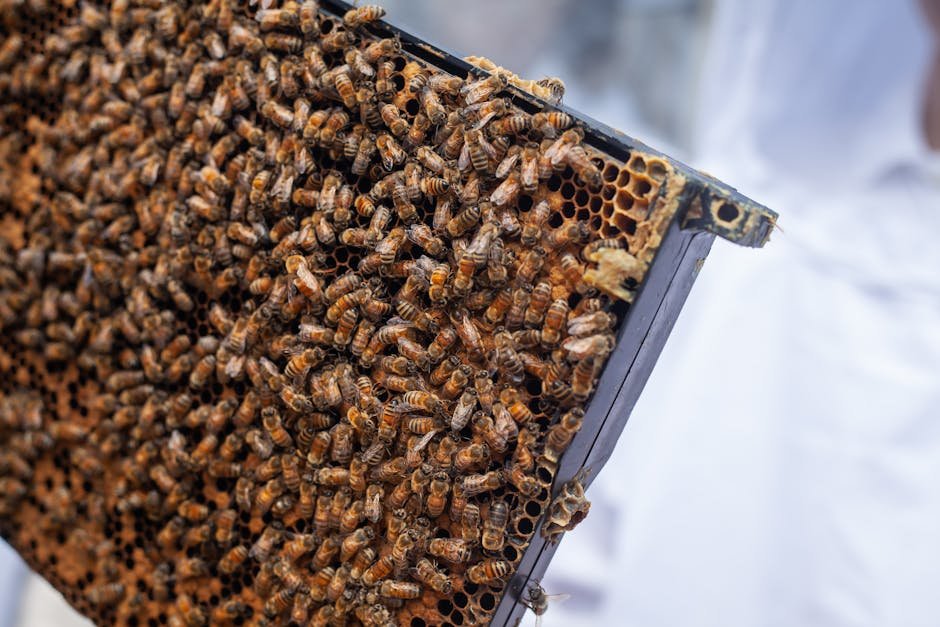
Honey is a sweet substance produced by honeybees, primarily made from the nectar of flowers. Bees collect nectar using their long tongues and store it in their honey stomachs. Once they return to the hive, they regurgitate the nectar, which is then transformed into honey through a combination of enzymatic processes and evaporation. Bees flap their wings to help regulate the temperature and humidity in the hive, promoting this evaporation. This transformation from nectar to honey is a natural process that serves an essential function for the bees, as honey provides them with energy, nourishment, and sustenance, especially during the winter months when food sources are scarce.
Human intervention in the production of honey typically involves the placement of hives and the harvesting of honey by beekeepers. Beekeepers manage the colonies, monitoring their health and ensuring that they have adequate space and resources. While this management helps to support bee populations, the practice of harvesting honey can disturb the bees’ natural behaviors and potentially compromise their health. It’s essential to recognize that honey is made by bees for bees, and their health can be sacrificed when it is harvested by humans.
From an ethical perspective, the question arises as to whether honey can be classified as vegan. The Vegan Society defines veganism as a way of living that seeks to exclude all forms of cruelty and exploitation of animals for food, clothing, or any other purpose. As such, the practice of harvesting honey, which may involve exploitation and environmental impact on bee populations, does not align with this definition. Consequently, individuals adhering strictly to the principles of veganism may choose to avoid consuming honey altogether, prompting the ongoing debate regarding whether honey is considered vegan.
The Bee’s Perspective: Health and Well-being
Honey is made by bees for bees, serving as a vital source of nutrition for the colony. When humans engage in honey harvesting, it can have significant implications for the health and well-being of bee populations. The process of extracting honey often involves the removal of surplus honey from hives, which can deprive bees of their essential food source, especially during the winter months when alternative food is scarce. Such practices may lead to malnutrition and increased susceptibility to disease among bees, ultimately compromising the colony’s stability and longevity.
Moreover, the commercial production of honey frequently involves intensive practices that can exacerbate the stress experienced by bee colonies. The transportation of bees for pollination purposes, known as migratory beekeeping, can disrupt their natural behaviors and hive dynamics. Bees thrive in a stable environment; frequent relocation can contribute to disorientation and health issues. Studies have shown that this kind of exploitation can result in the collapse of bee colonies, raising concerns about the ethical implications of honey production.
Importantly, the way honey is harvested does not align with the vegan society’s definition of veganism, which emphasizes the exclusion of not only cruelty but also exploitation. Advocates for bee welfare highlight the need for a paradigm shift that prioritizes the health of bee populations over human interests. Additionally, many argue that honey production practices can sometimes lead to the accidental killing of bees, which further complicates the ethical considerations surrounding this practice.
Understanding the impact of honey harvesting on bee colonies is crucial in the broader discussion of whether honey can be considered vegan. As we explore the ethical dilemmas surrounding honey consumption, it becomes apparent that the well-being of bees must be at the forefront of our considerations.
The Vegan Society’s Definition of Veganism
The Vegan Society, an influential organization promoting veganism, defines the lifestyle as a way of living that seeks to exclude, as far as is possible and practicable, all forms of exploitation of, and cruelty to, animals for food, clothing, or any other purpose. This definition reflects a commitment not only to compassion but also to the philosophical stance that considers the ethical treatment of living beings essential. Central to this philosophy is the idea that avoiding exploitation is paramount, which becomes particularly pertinent in the discussion surrounding honey consumption.
Honey, while a natural product, is made by bees for bees, with the primary function being the sustenance of their colonies. The act of harvesting honey can disrupt the lives of bees, often leading to their harm or even death when human practices interfere with their natural behaviors. Such practices resonate with the ethical concerns that underpin the Vegan Society’s principles. As a result, the question “is honey considered vegan?” is not merely a matter of dietary choice but is interwoven with broader considerations of rights and integrity of animal life.
According to the Vegan Society, even if harvesting honey is conducted with care, the practice still constitutes a form of exploitation. This perspective positions honey as a product that contradicts the aspirations of veganism, where the focus is not only on reducing suffering but also on preventing the exploitation of animals. The debate is further heightened by the acknowledgment that human intervention in the life cycles of bees ultimately sacrifices their health and autonomy, thereby clashing with the tenets of vegan philosophy. The discussion surrounding honey, therefore, is reflective of a wider ethical dialogue regarding our interactions with all living beings.
Arguments For Considering Honey Vegan
The debate surrounding whether honey is considered vegan is complex, with various arguments presented in favor of its inclusion in a vegan diet. Proponents of this perspective often emphasize sustainable beekeeping practices that prioritize the health and well-being of the bee populations. Under these practices, beekeepers aim to ensure that bees are not harmed and continue to thrive, thus promoting ecological balance. This argument posits that honey is made by bees for bees, and when harvested responsibly, it does not lead to the exploitation or suffering of these essential pollinators.
Another justification offered by advocates is the potential health benefits associated with consuming raw honey. Raw honey is rich in antioxidants, vitamins, and minerals, which can contribute positively to human health. As such, proponents argue that by consuming honey obtained from ethically-managed hives, individuals may not only benefit nutritionally but also support sustainable agricultural practices that help maintain bee populations. Additionally, they express that honey can serve as a natural sweetener alternative, reducing reliance on processed sugars that have more detrimental environmental impacts.
Moreover, many who support the consumption of honey reference the definition of veganism as it pertains to cruelty and exploitation. They argue that when honey is harvested without harming the bees or their environment, it does not fit the strict definition of exploitation set forth by many within the vegan community. While the issue remains contentious, these arguments highlight a viewpoint that considers honey compatible with a compassionate lifestyle, mainly when sourced responsibly and sustainably.
Arguments Against Honey as Vegan
In the ongoing debate regarding whether honey can be classified as vegan, a significant body of evidence suggests that it should not be viewed as such. One of the primary concerns centers around the exploitation of bees, which are living beings with their own ecosystems and social structures. Honey is made by bees for bees, serving as a vital source of nutrition for them. When humans harvest honey, they often remove it at the expense of the bees’ well-being. This intervention can disrupt their natural processes and adversely impact their health.
Moreover, the extraction of honey can lead to several health risks for bee colonies. Beekeepers may alter the environment to maximize honey production, potentially causing stress or disease among the bee population. Practices such as excessive harvesting or replacing honey with sugar substitutes can weaken bees and make them more susceptible to illness. This interference can often reflect a disregard for the intrinsic value of these creatures, contradicting the philosophy held by many who choose a vegan lifestyle.
From a moral perspective, the classification of honey as vegan raises significant ethical concerns. The vegan society’s definition of veganism strives to exclude not only acts of cruelty but also exploitation of animals. Given that honey production often entails manipulation and control over bee populations, it can be argued that consuming honey is inconsistent with these ethical principles. Additionally, many individuals who follow a vegan lifestyle seek to make choices that do not contribute to any form of animal exploitation, and therefore, the consumption of honey stands in contrast to those ideals.
In conclusion, when considering whether honey is considered vegan, it is important to take into account the implications of bee welfare and the ethical frameworks surrounding animal exploitation. The complexities involved suggest a compelling argument against classifying honey as a vegan product.
Personal Choices: Navigating the Vegan Dilemma
The question of whether honey is considered vegan brings about a significant ethical dilemma for many individuals within the vegan community. As a diet and lifestyle predominantly aimed at alleviating animal suffering and exploitation, the inclusion of honey can provoke diverse opinions and personal choices. Some vegans argue that honey is made by bees for bees, and harvesting it can lead to detrimental consequences for their health and wellbeing. This perspective aligns with the broader vegan philosophy that prioritizes the rights and welfare of animals, not only minimizing cruelty but also addressing exploitation.
Conversely, there are individuals who identify as vegan yet choose to consume honey. This group may justify their choice by differentiating between plant-based and animal-derived substances, viewing honey as a food resource that does not involve direct harm but rather a natural product of bee behavior. This distinction, however, raises pertinent questions regarding the implications of harvesting honey on bee populations and their ecosystems.
The varying attitudes towards honey within the vegan community highlight the complexity of navigating ethical choices. For many, the decision reflects a personal journey in which individuals weigh the potential exploitation of bees against their food preferences. The impacts of honey harvesting—where bees may be harmed or even killed—are often a driving force behind the reluctance to include honey in a vegan diet.
For those grappling with the question, “is honey considered vegan?” the search for clarity continues. It becomes essential to reflect upon personal values and the definitions of veganism, recognizing that the vegan society emphasizes minimizing all forms of exploitation. Thus, every choice made regarding honey ultimately contributes to a broader dialogue surrounding ethical eating and animal rights.
Alternatives to Honey for Vegans
For those adhering to a vegan lifestyle and questioning whether is honey considered vegan?, there are several viable alternatives to traditional honey that align with ethical dietary choices. The discussion surrounding honey has led many to seek out plant-based sweeteners that do not involve animal products or exploitative practices.
One popular alternative is agave nectar, derived from the agave plant. It boasts a lower glycemic index compared to honey, making it a preferred choice for individuals seeking to manage blood sugar levels. Agave nectar has a mild flavor profile, making it suitable for various culinary applications, from drizzling over pancakes to sweetening beverages.
Another well-regarded substitute is maple syrup, extracted from the sap of sugar or black maple trees. Apart from being a delightful addition to breakfast dishes, maple syrup offers an array of health benefits, including antioxidants and essential minerals. It can be used in recipes that call for honey, providing both sweetness and a unique flavor that enhances many desserts and marinades.
Date sugar is another excellent option, composed of ground dehydrated dates. This sugar retains many nutrients found in whole dates, including fiber, making it a more wholesome choice. Its caramel-like taste enhances baked goods and can be used as a natural sweetener in various dishes.
Other notable options include coconut nectar and brown rice syrup. Each of these alternatives provides distinct flavors and nourishment, allowing individuals to reduce their reliance on honey. With a broad spectrum of plant-based sweeteners available, individuals can continue to enjoy sweet delights without compromising their ethical beliefs regarding animal welfare. By choosing these alternatives, one can adhere to a vegan lifestyle while supporting sustainable food practices that respect all living creatures.
Conclusion: Making an Informed Decision
In addressing the question, is honey considered vegan?, we have explored various dimensions of honey production and the ethical implications surrounding it. Honey is a natural substance produced by bees, primarily for their own sustenance. When we consider that honey is made by bees for bees, it raises significant ethical questions about human intervention in their natural processes. Many individuals who adhere to veganism aim to avoid not only cruelty but also exploitation of animals, which includes the harvesting of honey.
It is evident that harvesting honey can be detrimental to bee populations, as their health can be sacrificed when it is harvested by humans. This presents a compelling argument for those who uphold a strict interpretation of vegan principles to avoid honey altogether. Many vegan societies argue that this practice does not align with their definition of veganism, which seeks to eliminate harm and exploitation.
However, the question of whether honey is acceptable within a vegan diet is subjective and depends on personal values and beliefs. Some individuals may choose to consume honey due to its perceived health benefits or their understanding of sustainable practices in beekeeping, while others may firmly reject it based on ethical considerations. Each person must navigate these complex issues based on their own principles and ethics.
Ultimately, the decision to include or exclude honey from one’s diet should be made after careful thought and reflection on the impact that this choice may have on animal welfare and personal ethical beliefs. By considering the various arguments for and against honey consumption, individuals can make an informed decision that resonates with their values.