








I used to “eat healthy” in theory and still feel tired in practice. The turning point was realizing my meals had no structure. Some days were all carbs. Other days were random snacks. Once I learned the basics of macronutrients, I stopped guessing.
The 3 macros and what they do
Protein repairs tissue and supports satiety. Carbohydrates fuel the brain and muscles. Fats support hormones and help absorb vitamins. You don’t need perfection. You need coverage.
The plate system I actually use
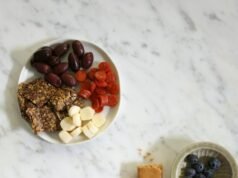
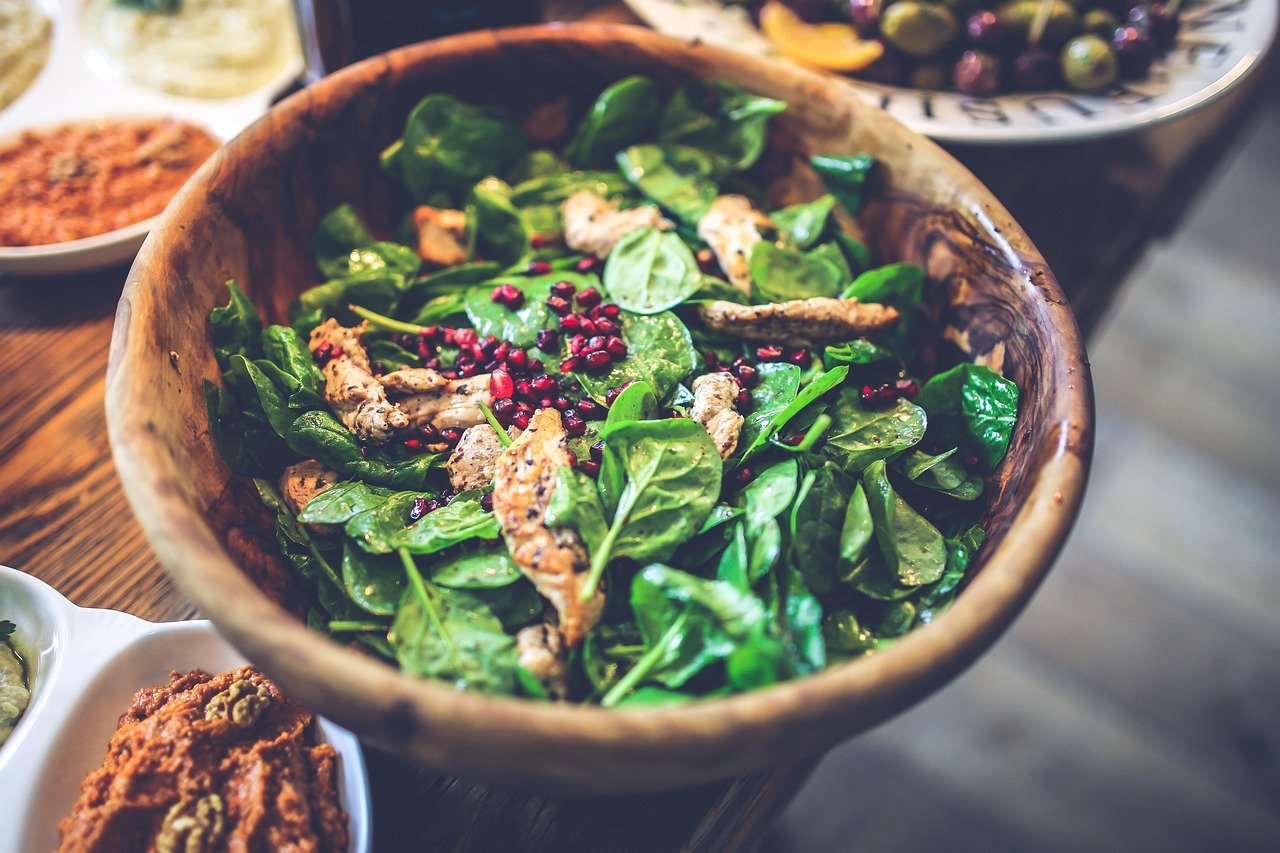
- Protein anchor: eggs, fish, chicken, yogurt, tofu, beans
- Color + fiber: vegetables, fruit, legumes
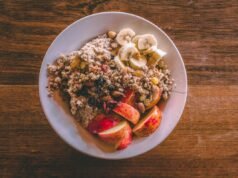
- Smart carb (optional): oats, potatoes, rice, whole grains
- Healthy fat: olive oil, nuts, seeds, avocado
If I have these elements most of the time, my diet works even when life is busy.
What changed when I balanced macros
My biggest improvements were not “weight loss tricks.” They were quality-of-life fixes: fewer cravings, better workouts, steadier mood, and less afternoon fatigue. It felt like my body stopped begging for random snacks because my meals finally made sense.
Common mistakes I made
- Protein too low at breakfast → fixed by adding eggs/Greek yogurt.
- Carbs only from refined sources → fixed by swapping to oats/fruit/beans.
- Fear of fat → fixed by adding olive oil and nuts in small amounts.
How to adjust for goals (simple)
Fat loss: keep protein high, keep meals structured, reduce “liquid calories.”
Muscle gain: add calories gradually and increase carbs around training.
Energy & focus: prioritize complex carbs + protein at breakfast.
Trust note
This is informational. If you have a medical condition, pregnancy, or dietary restrictions, use this as a framework and consult a professional for personalization.
My honest conclusion: macros aren’t a trend. They’re the language of food. Once you speak the language, you stop getting confused by every new diet headline.