









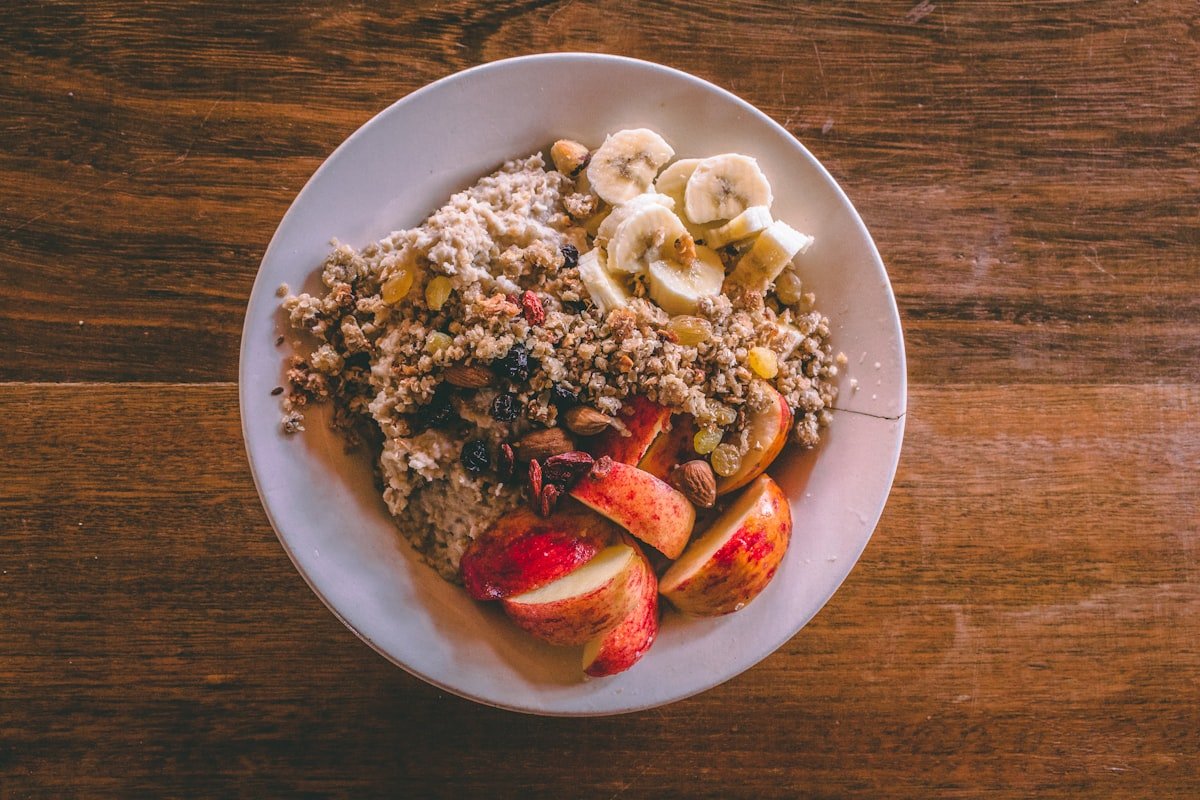
Introduction to Oatmeal and Health Controversies
Oatmeal has long been a staple breakfast choice for many individuals seeking a convenient and nutritious way to start their day. However, its health benefits are often overshadowed by conflicting opinions from healthcare professionals. The debate surrounding the question of why do some doctors say not to eat oatmeal? revolves around concerns that various preparations of oatmeal may have negative health implications. Some doctors claim oatmeal is bad due to potential blood sugar spikes, particularly when it comes to instant or processed types of oatmeal that are often paired with sugary additions.
An essential aspect of this discussion lies in the properties of oats themselves. Whole oats are generally recognized for their nutritional value; they are rich in dietary fiber and have been linked to positive outcomes regarding heart health and satiety. Despite the negative perceptions associated with some forms of oatmeal, significant evidence suggests that it can be a beneficial component of a balanced diet. The concerns highlighted often focus more on how oatmeal is prepared and what is added, such as sugar or salt, rather than inherent problems with the oat itself.
Moreover, there are issues related to specific health conditions that might render oatmeal less suitable for certain individuals. For instance, people with diabetes could experience fluctuations in blood glucose levels if they consume large portions of oatmeal or if they opt for varieties high in sugar. Additionally, some doctors raise concerns about potential pesticide residues on oats, which can further complicate the health narrative around this food source. Given these intricacies, it becomes evident that the oatmeal debate often hinges on processing methods, portion sizes, and additional ingredients. Understanding these factors is crucial for making informed dietary choices regarding oatmeal.
Nutritional Benefits of Oatmeal
Oatmeal, particularly when prepared from whole oats, provides an array of nutritional benefits that can positively impact health. One of the standout features of oatmeal is its high fiber content, specifically soluble fiber known as beta-glucan. This type of fiber is beneficial for heart health, as it has been shown to help lower cholesterol levels. By binding to bile acids in the digestive system and promoting their excretion, beta-glucan reduces overall cholesterol absorption into the bloodstream.
In addition to heart health benefits, the fiber found in oatmeal plays a critical role in providing a sense of fullness. This satiety can help regulate appetite, making oatmeal a favorable choice for those looking to maintain or lose weight. The consumption of oatmeal can reduce hunger spikes throughout the day, which is particularly helpful in managing overall caloric intake.
Furthermore, oatmeal is packed with essential vitamins and minerals. It contains manganese, phosphorus, magnesium, and iron, contributing to overall body function, energy production, and bone health. Some doctors claim oatmeal is bad due to the potential blood sugar spikes associated with certain types, especially instant or processed oats with added sugar. However, these nutritional benefits denote that whole oats—when prepared mindfully—remain a healthy dietary option.
Moreover, the debate surrounding the label of “bad” oatmeal often hinges not on the oats themselves but rather on how they are prepared. When kept pure from sugary additives or excessive salt, oatmeal, as a whole grain, promotes numerous health benefits. Therefore, addressing concerns about oatmeal is essential, focusing on the processing, portion size, and what is included in the preparation. Ultimately, the nutritional advantages of oatmeal underscore its inclusion in a balanced diet.
The Claims Against Oatmeal: Understanding the Concerns
The debate surrounding oatmeal and its health implications has garnered attention, particularly among healthcare professionals. Some doctors claim oatmeal is bad due to potential blood sugar spikes associated with certain types. These concerns are notably highlighted when discussing instant or processed oatmeal varieties, which often contain added sugars and may lack the fiber present in whole oats. The rapid increase in blood sugar levels after consuming such oatmeal can lead to detrimental effects, especially for individuals managing diabetes or insulin resistance.
In addition to concerns regarding blood sugar, another argument against oatmeal revolves around the potential pesticide residues that can be present on oats. Conventional farming methods sometimes involve the use of pesticides that may remain on the grain, raising questions about their long-term health effects. The apprehension is compounded when consumers opt for processed oatmeal products, potentially increasing exposure to harmful chemicals. As a result, some healthcare practitioners advise against these forms of oatmeal, suggesting that organic or minimally processed alternatives may be more desirable.
Despite these claims, it is essential to consider the broader context of oatmeal consumption. Most evidence indicates that whole oats are quite healthy, offering dietary fiber that promotes heart health and increases satiety. Issues associated with oatmeal typically arise from its preparation, such as the addition of sugar and salt, rather than the oats themselves. Ultimately, whether or not one should consume oatmeal is closely tied to factors such as processing methods, portion sizes, and additional ingredients used alongside it. Understanding these nuances clarifies why some doctors say not to eat oatmeal while acknowledging that the basis of the negative perspective often lies more in preparation than the grain itself.
The Role of Processing in Oatmeal’s Health Impact
The health implications of oatmeal can vary significantly based on the type and level of processing it undergoes. Not all oats are created equal; the variety chosen can greatly influence their nutritional profile and overall health benefits. Whole oats, such as steel-cut oats, are the least processed form and retain most of their natural nutrients, offering high levels of fiber and essential vitamins. This fiber is particularly beneficial for heart health and can aid in feelings of fullness, which may contribute to weight management.
In contrast, rolled oats and, especially, instant oats undergo more processing. Rolled oats, while still nutritious, are steamed and then flattened, which can slightly decrease their fiber content compared to whole oats. Instant oats, on the other hand, are often precooked and then dried, leading to a higher glycemic index. This is relevant to the concern of why do some doctors say not to eat oatmeal? Some doctors claim oatmeal is bad due to potential blood sugar spikes, especially with instant or processed types. The rapid digestion of these refined oats can indeed lead to spikes in blood sugar levels, a concern for individuals managing diabetes or those seeking stable energy levels.
Moreover, issues can arise from what is added to oatmeal. Sugar, syrups, and flavored toppings can negate the health benefits of oatmeal, leading to potential health problems. For those attempting to maintain a healthier diet, understanding these differences is crucial. The debate often hinges on processing, portion size, and additional ingredients rather than the oat itself. While whole grains generally provide better nutritional outcomes, understanding the added elements and the processing methods can help individuals make informed choices about their morning meals.
Portion Control: Finding the Right Serving Size
Portion control is an essential aspect of nutrition that can significantly influence health outcomes. This is particularly relevant in discussions regarding oatmeal and the advice surrounding its consumption. Despite its reputation as a healthful food, excessive intake of even beneficial items such as oatmeal may lead to negative health effects. Understanding appropriate serving sizes is crucial to achieving a balanced diet without experiencing potential drawbacks.
When examining the serving size of oatmeal, it is important to consider the form in which it is consumed. For instance, some doctors say not to eat oatmeal in large quantities, particularly the processed varieties that can contribute to higher blood sugar levels. Instant and sugary oatmeal options often come with added sugars and preservatives, which can deter the beneficial aspects of the whole grain, leading to spikes in blood sugar. Such considerations highlight the importance of moderation in portion sizes.
Research indicates that a standard serving of oatmeal is typically around a half-cup dry, which equates to approximately 150 calories and provides substantial fiber content. Fiber is beneficial for heart health and aids in creating a feeling of fullness, which can prevent overeating. Inappropriate portion sizes, whether too large or improperly managed in terms of additions like sweeteners or salts, can negate these benefits. Hence, carefully measuring portions can help mitigate the potential adverse effects associated with oatmeal when consumed excessively.
For those concerned about the potential drawbacks of oatmeal, including advice from some doctors regarding its impact on blood sugar and pesticides, adhering to recommended portion sizes, as well as preparing it mindfully—like avoiding high-sugar toppings—plays an integral role in ensuring oatmeal remains a nourishing part of one’s diet. Ultimately, the focus should remain on the oat’s preparation and accompanying ingredients rather than labeling the oat itself as unhealthy.
The Importance of Additives: Sugar, Salt, and More
Oatmeal is often lauded for its numerous health benefits, particularly when it comes to heart health and satiety. However, the healthfulness of oatmeal can be significantly compromised by the additives that one chooses to include. Various ingredients, such as sugar, salt, flavored syrups, and even cream or butter, can negate the positive aspects of oatmeal, leading some to question: why do some doctors say not to eat oatmeal? While whole oats are inherently nutritious, the impact of these additives can be detrimental.
Many of the concerns regarding oatmeal originate from the way it is prepared and what is added. For instance, adding excessive sugar or opting for instant oatmeal—which often contains added sweeteners—can lead to potential blood sugar spikes. Some doctors claim that oatmeal is bad due to these potential blood sugar spikes, especially with instant or processed types that are less beneficial compared to whole oats. Furthermore, flavored syrups can introduce unnecessary calories and sugars, undermining the oatmeal’s status as a health food.
Similarly, adding salt can also have negative implications. While a small amount of salt may enhance flavor, relying heavily on it can contribute to high sodium intake, which is linked to various health issues including hypertension. The combination of these additives raises concerns that can mislead consumers regarding the true health benefits of oats. Additionally, there are ongoing discussions about potential pesticide residues found in some oat products, raising further skepticism.
Therefore, it is essential to evaluate not just the oatmeal itself, but also what one includes in their preparation. The debate often hinges on processing, portion size, and specific health conditions. In this context, whole oats remain a healthy choice, primarily when consumed without harmful additives. By being mindful of what is added, individuals can enjoy oatmeal’s full range of health benefits without falling victim to the ‘bad’ label.
Health Conditions: When Oatmeal May Not Be Ideal
Oatmeal is widely regarded for its health benefits, yet there are specific health conditions where it may not be the best dietary choice. One prominent concern involves diabetes management. Some doctors say not to eat oatmeal, particularly the instant or processed varieties, as they can lead to unexpected blood sugar spikes. This occurs primarily because these forms of oatmeal often contain added sugars or have undergone processing that reduces their fiber content, which plays a crucial role in blood sugar control.
Furthermore, for individuals with certain allergies, oatmeal may also present an issue. Although oats are gluten-free, they can be contaminated with gluten during processing. Those with celiac disease or gluten intolerance may experience adverse reactions if they consume contaminated oats. Additionally, some individuals may develop a sensitivity to oats themselves, even if gluten is not a concern. Symptoms can include gastrointestinal discomfort and other allergic reactions.
There are other health considerations to keep in mind regarding oatmeal consumption. People with specific conditions like irritable bowel syndrome (IBS) might find that high-fiber foods, such as oatmeal, can exacerbate their symptoms. For them, moderation or avoidance may be advisable. It is also crucial to consider how oatmeal is prepared: adding excessive sugar, salt, or unhealthy fats can negate its benefits. In this light, the debate over oatmeal’s health risks often hinges not on the oats themselves, but on preparation methods and portion sizes. Therefore, it is essential for those with particular health conditions to assess their individual dietary needs carefully.
Scientific Evidence Supporting Oatmeal Consumption
The ongoing debate regarding oatmeal consumption often raises questions about its health implications. However, numerous scientific studies support the benefits of eating oatmeal, particularly whole oats. Research consistently highlights that whole oats are rich in dietary fiber, particularly beta-glucan, a soluble fiber that has been shown to aid in lowering cholesterol levels. This is especially significant for cardiovascular health, as elevated cholesterol can lead to heart disease. By incorporating oatmeal into the diet, individuals may benefit from reduced heart disease risk.
Furthermore, studies indicate that fiber-rich foods, such as oats, contribute to a feeling of fullness, which can be beneficial for weight management. Many experiments demonstrate that participants who consume oatmeal as part of their breakfast report lower calorie intake throughout the day. This satiating effect underscores the potential advantages of oatmeal in promoting healthy eating habits.
Moreover, while some doctors say not to eat oatmeal due to its potential for blood sugar spikes—especially with instant or processed varieties—evidence suggests that whole oats are less likely to cause such issues when consumed in moderation. The skepticism around oatmeal often pertains to how it is prepared. For example, adding excessive sugar or salt can detract from its health benefits. Proper portioning and selecting minimally processed forms of oats are crucial in optimizing their positive effects.
Additionally, concerns regarding pesticide residues in oats contribute to the argument against its consumption. However, the benefits provided by unprocessed whole oats often outweigh these concerns, particularly when individuals choose organic options. Overall, the scientific consensus leans toward the notion that whole oats can be a healthy addition to most diets, with the negatives usually tied to processing methods, portion sizes, and additional ingredients rather than the oats themselves.
Conclusion: Navigating the Oatmeal Debate
The question of why do some doctors say not to eat oatmeal? brings to light various factors influencing the perception surrounding this popular food. While oatmeal is widely regarded for its numerous health benefits, concerns persist, often rooted in the potential for blood sugar spikes associated with certain types, particularly instant or processed varieties that contain added sugars. Many healthcare professionals emphasize the way oatmeal is prepared, as well as the ingredients mixed with it, can significantly alter its health profile.
Overall, it is crucial to distinguish between whole oats and their processed counterparts. Whole oats are rich in fiber, which supports heart health and enhances satiety, promoting a feeling of fullness. The debate typically centers more on oatmeal’s processing, appropriate portion sizes, and any additional components such as sweeteners or salt rather than the oats themselves. Each individual’s health needs can lead to different conclusions regarding oatmeal consumption.
Moreover, some doctors raise concerns about pesticide residues on oats, a matter that appears important for those aiming for organic or minimally processed options. However, the extensive body of evidence generally supports the idea that whole oats can be a beneficial part of a balanced diet, provided they are prepared wisely.
Ultimately, making informed choices regarding oatmeal involves evaluating personal health conditions, preferences, and preparation methods. Understanding both the potential benefits and risks associated with oatmeal is key to leveraging its nutritional advantages while minimizing any downsides. This approach ensures that each individual can enjoy oatmeal in a way that aligns with their unique dietary needs and lifestyle choices.