









Introduction to Ozempic and GLP-1 Receptor Agonists
Ozempic, known generically as semaglutide, is classified as a GLP-1 receptor agonist. This class of medication mimics the action of the glucagon-like peptide-1 (GLP-1) hormone, which plays a crucial role in regulating blood sugar levels in individuals with type 2 diabetes. GLP-1 receptor agonists, such as Ozempic, help stimulate insulin secretion, inhibit glucagon release, and slow gastric emptying, leading to improved glycemic control.
Beyond its primary function in managing blood glucose, Ozempic has gained attention for its potential role in weight management. When you’re taking a GLP-1 receptor agonist like Ozempic, it encourages dietary changes that can enhance weight loss and improve overall health. The medication can help reduce appetite and caloric intake, making it easier for individuals to adhere to healthier eating patterns.
The significance of the Ozempic diet extends to its focus on nutrition that complements the effects of the medication. A diet that incorporates foods rich in lean protein and fiber can be especially beneficial. Sources of lean protein, such as eggs, chicken, fish, and tofu, support muscle maintenance and overall satiety. Moreover, fiber-rich foods—including vegetables, fruits, and whole grains—contribute to better digestion and prolonged feelings of fullness, which further aids in weight management.
Understanding how Ozempic functions within the body provides context for its dietary recommendations. The combination of medication and a well-structured diet can lead to better health outcomes for individuals navigating the complexities of diabetes management and weight loss.
Understanding the Ozempic Diet
The Ozempic diet is a specialized nutritional plan designed to complement the medication Ozempic, which is a GLP-1 receptor agonist used primarily for weight management and type 2 diabetes management. This diet emphasizes the importance of making healthy food choices to enhance the medication’s efficacy, support weight loss, and improve overall health outcomes. When you are taking a GLP-1 receptor agonist like Ozempic, your dietary focus should shift towards foods that are rich in lean protein and fiber.
Incorporating lean protein sources is essential because protein helps to promote satiety, which can assist in controlling hunger and facilitating weight loss. Examples of lean proteins include eggs, chicken and turkey, fish, tofu, and lean cuts of pork and beef. By integrating these protein-rich foods into your meals, you can create a balanced diet that aids in weight loss while also supporting muscle maintenance, especially during calorie-restricted phases.
Fiber is another critical component of the Ozempic diet. Fiber-packed foods such as vegetables, fruits, legumes, nuts and seeds, and whole grains not only help to regulate digestion but also promote a sense of fullness. By including these high-fiber foods in your daily meals, you support blood sugar management and reduce the risk of blood sugar spikes, which is particularly important for individuals managing diabetes.
Overall, the Ozempic diet aims to create a well-balanced eating pattern that aligns with the medication’s goals. By focusing on nutrient-dense foods that offer both protein and fiber, individuals can enhance their weight loss efforts and improve their overall health while on Ozempic.
The Role of Lean Protein in the Ozempic Diet
When discussing the Ozempic diet, it is essential to highlight the role of lean protein, particularly when you’re taking a GLP-1 receptor agonist like Ozempic. Lean protein plays a crucial part in maintaining muscle mass, promoting satiety, and managing blood sugar levels. This is especially important for individuals aiming to lose weight while on medication that affects metabolic processes.
Incorporating a variety of lean protein sources into your meals can significantly enhance overall health. Eggs, for instance, are an excellent source of high-quality protein and essential nutrients. They can be consumed in various forms, including boiled, scrambled, or as part of a healthy omelet.
Chicken and turkey are also popular sources of lean protein, offering versatility in meal preparation and rich flavors. These poultry options can be grilled, baked, or even stir-fried with vegetables, making them a healthy choice in the Ozempic diet.
Fish, particularly fatty types like salmon, not only provide lean protein but also offer beneficial omega-3 fatty acids. These acids are known for their anti-inflammatory properties and can contribute to overall cardiovascular health. Additionally, plant-based options such as tofu are valuable for those following vegetarian or vegan diets and are also high in protein.
Finally, lean cuts of pork and beef, when consumed in moderation, can fit into a balanced Ozempic diet. Choosing cuts that are labeled as ‘lean’ helps in reducing saturated fat intake, which is vital for maintaining heart health.
In summary, including lean protein sources such as eggs, chicken, turkey, fish, tofu, and lean cuts of pork and beef is essential in the Ozempic diet. These foods not only aid in achieving satiety but also help support a healthy nutritional balance.
Fiber-Packed Foods: A Pillar of the Ozempic Diet
The Ozempic diet emphasizes the importance of fiber-rich foods as a crucial component when you’re taking a GLP-1 receptor agonist like Ozempic. Incorporating high-fiber foods not only supports digestive health but also aids in weight management, which is particularly beneficial for individuals dealing with obesity or type 2 diabetes. Fiber contributes to a feeling of fullness and can help regulate blood sugar levels, making it a vital element of the diet.
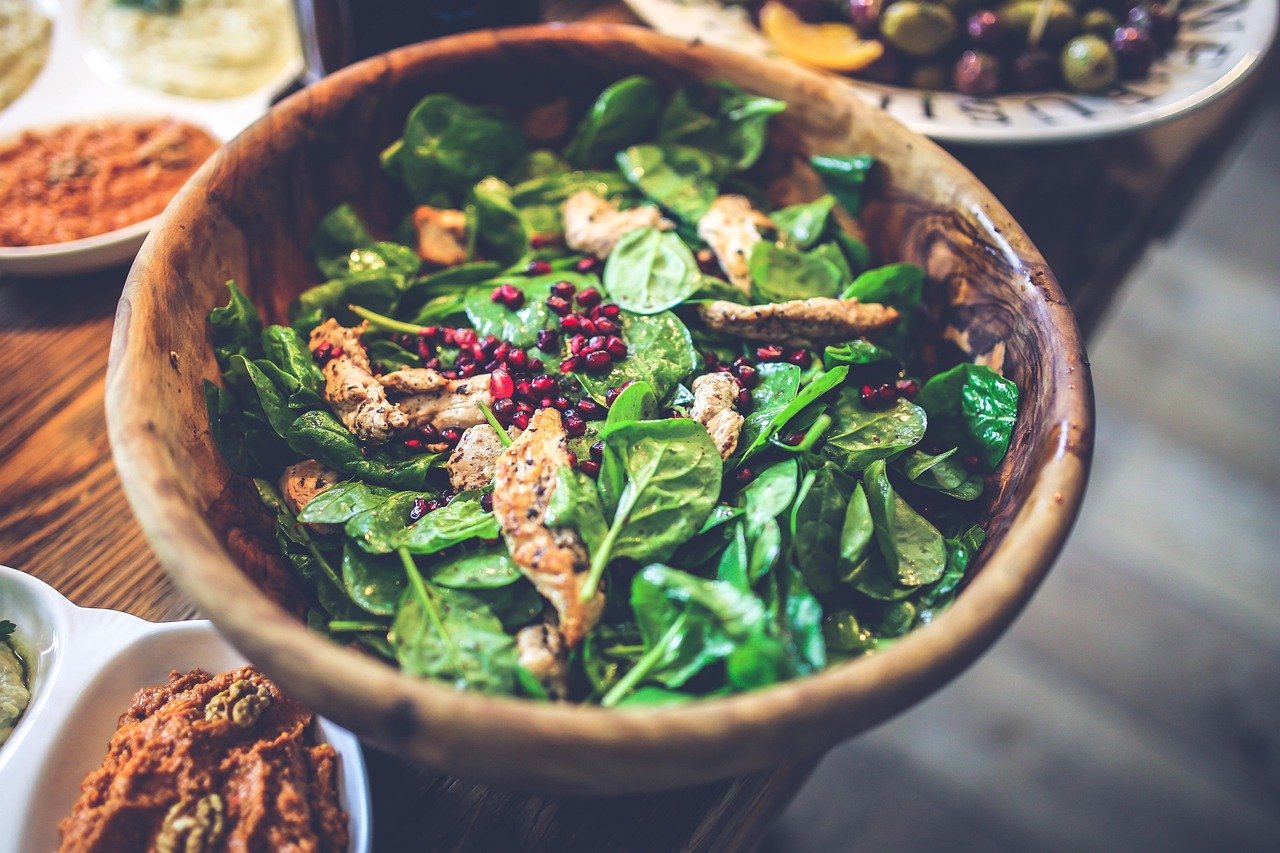
High-fiber foods include a variety of vegetables such as broccoli, carrots, and spinach, which not only provide essential vitamins and minerals but also support overall digestive health. Fruits like apples, berries, and bananas are great choices, offering natural sweetness and a boost of dietary fiber. Additionally, legumes such as lentils, chickpeas, and black beans are excellent sources of both protein and fiber, making them perfect for meals that promote feelings of satiety.
Nuts and seeds, like almonds, chia seeds, and flaxseeds, contribute healthy fats and further fiber intake, which can be especially beneficial for maintaining a balanced diet. Whole grains, such as oats, brown rice, and quinoa, are also beneficial staples that can be integrated into various meals to enhance fiber consumption. These foods not only provide necessary nutrients but also play a tangible role in promoting better digestive function, helping individuals feel fuller for longer, and assisting in the stabilization of blood glucose levels.
In understanding what is the Ozempic diet?, it is essential to recognize that fiber-packed foods form the backbone of healthy eating while on GLP-1 receptor agonists. By prioritizing these nutritious options, individuals can enjoy a variety of meals that nourish the body while supporting their overall health objectives.
Meal Planning for the Ozempic Diet
Meal planning is a crucial aspect of successfully adhering to the Ozempic diet, especially when you’re taking a GLP-1 receptor agonist like Ozempic. A well-structured meal plan can enhance your weight management efforts by ensuring you consume balanced meals that are rich in lean protein and fiber. These nutrient-dense foods not only keep you satiated but also provide essential vitamins and minerals.
To begin meal planning effectively, start by incorporating a variety of lean proteins into your diet. Recommended sources include eggs, skinless chicken, turkey, fish, tofu, and lean cuts of pork and beef. These proteins contribute to muscle maintenance and repair while promoting fullness.
In addition to lean proteins, it is vital to include fiber-rich foods in your meals. Foods such as vegetables, fruits, legumes, nuts, seeds, and whole grains should be staples in your diet. Not only do they provide essential nutrients, but fiber can help regulate blood sugar levels and promote digestive health.
When planning meals, consider preparing larger portions of certain dishes and storing them for future use. Meal prepping can save time and ensure you have healthy options available during busy weeks. Portions should be controlled to align with your dietary goals, as overeating, even healthy foods, can counteract the benefits of the Ozempic diet.
Finally, creating a balanced meal plan that combines lean proteins and fiber-rich foods allows for varied and enjoyable meals. This balance supports the goal of long-term weight management and overall health improvement associated with what is the Ozempic diet?. By maintaining this focus, individuals can maximize their health outcomes while managing their dietary needs.
Best Practices for Eating Out on Ozempic
Dining out while adhering to the Ozempic diet requires careful planning and mindfulness regarding food choices. When you’re taking a GLP-1 receptor agonist like Ozempic, it is essential to make healthier selections at restaurants to align with your dietary goals. One effective strategy is to peruse the menu in advance if possible, allowing you to identify dishes that reflect the principles of the Ozempic diet.
Opt for meals that focus on lean protein sources such as grilled chicken, fish, or plant-based options like tofu. These choices are not only satisfying but also promote fullness, helping you manage portion sizes more effectively. Additionally, meals high in fiber, including salads and vegetable-based dishes, can provide a sense of fullness and contribute to overall health. Aim to fill at least half your plate with vegetables to ensure you’re getting enough fiber from your meal.
When ordering, consider requesting dressings and sauces on the side to control their contribution to your meal. This can prevent excess calorie intake from high-fat condiments. Furthermore, be mindful of portion sizes. Many restaurant servings are larger than necessary, so it may be beneficial to ask for a smaller portion or share a dish with a dining companion. Alternatively, consider packing half your meal to take home, ensuring you are not overeating.
Finally, practice mindful eating techniques, such as chewing food slowly and savoring the flavors. This approach not only enhances your dining experience but also allows your body to recognize fullness signals more effectively. By implementing these best practices, you can dine out confidently and continue to adhere to the principles of the Ozempic diet while enjoying social occasions.
Common Challenges and Solutions on the Ozempic Diet
When embarking on the Ozempic diet, individuals may encounter several common challenges that can hinder their dietary success. Understanding these challenges and how to address them is crucial for maintaining adherence to the dietary recommendations, particularly when you’re taking a GLP-1 receptor agonist like Ozempic.
Cravings can be one of the most significant hurdles faced by individuals on the Ozempic diet. As the body adjusts to a new way of eating, it is common to experience intense cravings for high-calorie, high-sugar foods. To combat cravings, consider incorporating more fiber-rich foods such as vegetables, legumes, and whole grains into your meals. These foods not only help with satiety but also keep blood sugar levels stable, making it easier to resist the urge to indulge in unhealthy snacks.
Another challenge can arise from social situations where unhealthy food options may be abundant. Family gatherings, parties, and dining out can make it difficult to stick to the guidelines of what is the Ozempic diet? To navigate these situations, it is beneficial to plan ahead. When attending an event, eat a nutritious meal or snack beforehand to reduce the temptation of unhealthy options. Additionally, don’t hesitate to communicate your dietary needs with friends and family, as they may be more than willing to accommodate healthier choices.
Lastly, finding healthier options at grocery stores or restaurants can sometimes seem overwhelming. To simplify this task, consider creating a list of your preferred lean protein sources, such as chicken, turkey, fish, tofu, and lean cuts of pork and beef. Make a habit of reading food labels and ask for modifications when ordering at restaurants. By being proactive and informed about your choices, you will be better equipped to align your eating habits with the principles of the Ozempic diet.
Success Stories: Real-life Experiences on the Ozempic Diet
The Ozempic diet has garnered attention not only for its connection with the effective management of weight and blood sugar levels through GLP-1 receptor agonists but also for the inspiring success stories shared by individuals who have embraced this lifestyle change. Many individuals report significant improvements in their overall health, leading them to transform their eating habits while on Ozempic.
One such inspiring account comes from Maria, a 42-year-old who struggled with her weight and blood sugar for years. After starting the Ozempic diet, Maria focused on incorporating lean protein and fiber-rich foods into her meals. She found that including eggs, chicken, and an array of vegetables allowed her to feel fuller longer, promoting better portion control. Within six months, Maria lost a substantial amount of weight and reported feeling more energetic than ever.
Another success story features James, who was diagnosed with type 2 diabetes. His doctor advised him that following the Ozempic diet would facilitate better management of his condition. He incorporated fish and leafy greens into his meals, alongside whole grains such as brown rice and quinoa. James experienced a remarkable change in his diabetes management, leading to reduced medication requirements and improved quality of life.
Furthermore, numerous testimonials highlight the positive impacts on mental well-being alongside physical health benefits. Individuals who have adopted the Ozempic diet describe increased self-confidence and motivation stemming from their weight loss achievements, alongside the newfound ability to engage in physical activities that they once found challenging.
These stories emphasize that making informed dietary choices while on Ozempic can lead to profound lifestyle changes. As contributors to a healthy diet that focuses on lean protein and fiber, real-life experiences demonstrate the Ozempic diet’s ability to facilitate significant health improvements and motivate individuals toward a healthier future.
Conclusion: Embracing the Ozempic Diet for a Healthier Future
In conclusion, the Ozempic diet presents a compelling approach for individuals using GLP-1 receptor agonists like Ozempic. This dietary strategy not only aids in weight management but also emphasizes the importance of overall health and well-being. By focusing on foods rich in lean protein and fiber, individuals can support their metabolic health and enhance the effects of their medication.
As discussed, incorporating sources of lean protein such as eggs, chicken, turkey, fish, tofu, and lean cuts of pork and beef can provide the essential nutrients required for maintaining muscle mass and facilitating recovery. Moreover, fiber-rich foods, including vegetables, fruits, legumes, nuts, seeds, and whole grains, play a critical role in promoting digestive health and ensuring satiety.
Adapting to the Ozempic diet may require some initial adjustments. However, the long-term benefits, including effective weight management and improved metabolic control, are well worth the effort. The guidelines provided through this diet not only align with the goals of those using GLP-1 receptor agonists but also encourage a more balanced and nutritious approach to eating.
Ultimately, embracing the Ozempic diet can lead to a healthier lifestyle that fosters not just the physical aspects of well-being but also encourages mental and emotional health. As you embark on this dietary journey, consider using the strategies outlined to maximize your health outcomes while using Ozempic. By prioritizing nutrient-dense foods and making mindful choices, you can set the groundwork for a healthier future.