









Introduction to the Ozempic Diet
The Ozempic diet is a dietary approach designed for individuals who are utilizing GLP-1 receptor agonists such as Ozempic, a medication primarily used to manage type 2 diabetes. These medications play a crucial role in weight management by helping to regulate appetite and food intake, making it particularly beneficial for those who are struggling with obesity or excess weight alongside their diabetes treatment.
When considering what is the Ozempic diet?, it is important to note that it encourages specific dietary choices that are aligned with the functionality of the medication. The primary focus is on consuming foods that are rich in lean protein and fiber. Lean proteins are essential as they help in muscle maintenance and satiety. Some exemplary sources of lean protein include eggs, chicken, turkey, fish, tofu, and lean cuts of pork and beef.
In addition to protein, fiber plays a significant role in this dietary approach. Foods that are packed with fiber contribute to digestive health and can aid in weight loss by promoting fullness and reducing overall calorie intake. Fiber-rich foods include a variety of vegetables, fruits, legumes, nuts and seeds, and whole grains. Incorporating these food groups ensures that individuals not only receive essential nutrients but also successfully manage their weight.
The Ozempic diet does not just promote weight loss; it aims to improve overall health markers such as blood sugar levels, lipid profile, and blood pressure, making it an effective holistic approach for those under treatment with GLP-1 receptor agonists. It provides a structured yet flexible framework for individuals to follow, assisting them in making better food choices that align with the goals of their treatment.
The Role of GLP-1 Receptor Agonists in Weight Management
GLP-1 receptor agonists, such as Ozempic, play a significant role in weight management through a multifaceted approach. These medications are designed to mimic the action of the glucagon-like peptide-1 (GLP-1), which is a hormone that the body naturally produces. This hormone has several functions, primarily focusing on appetite regulation, enhancing insulin secretion, and controlling blood sugar levels.
One of the key physiological effects of Ozempic is its ability to induce feelings of satiety. By acting on the brain’s appetite control centers, GLP-1 receptor agonists help reduce hunger sensations, which subsequently leads individuals to consume fewer calories. This appetite modulation is crucial, especially when you’re taking a GLP-1 receptor agonist like Ozempic, as it supports the development of healthier eating habits.
Furthermore, Ozempic also contributes to improved metabolic function. It helps in slowing gastric emptying, which means food moves more gradually from the stomach to the intestines. This delayed gastric emptying not only prolongs feelings of fullness but also aids in better glycemic control, allowing for a more stable blood sugar level after meals.
Maintaining stable blood sugar levels is vital for overall health, and the role of GLP-1 receptor agonists in this process cannot be overlooked. As blood sugar spikes can lead to increased hunger and cravings, effective management of blood glucose through medications like Ozempic is an essential part of the weight loss equation.
In conclusion, the physiological effects of GLP-1 receptor agonists significantly aid in weight management by regulating appetite, improving metabolic function, and maintaining healthy blood sugar levels. Understanding how these mechanisms work can provide valuable insights into what is the Ozempic diet and its effectiveness in promoting weight loss.
Key Components of the Ozempic Diet
Understanding the Ozempic diet is essential for individuals seeking to maximize the benefits of taking a GLP-1 receptor agonist like Ozempic. One of the foundational elements of this diet is the emphasis on incorporating foods that are rich in lean protein and fiber. These components play a significant role in promoting satiety, maintaining muscle mass, and supporting overall health while using Ozempic.
Lean proteins are a major focus in the Ozempic diet. Foods such as eggs, chicken, turkey, fish, tofu, and lean cuts of pork and beef should be included in daily meals. They are not only low in unwanted fats but also help in nourishing the body with essential amino acids necessary for muscle recovery and growth. This is particularly important for individuals who may experience weight loss as a side effect of the medication.
In addition to lean proteins, fiber-rich foods are crucial in the Ozempic diet. Incorporating a variety of vegetables, fruits, legumes, nuts, seeds, and whole grains can provide the body with the necessary nutrients while promoting digestive health. High-fiber foods are known to slow down digestion, leading to prolonged feelings of fullness and stabilizing blood sugar levels, which is especially beneficial when managing diabetes or weight loss.
When you’re taking a GLP-1 receptor agonist like Ozempic, it is vital to focus on these food groups to create balanced meals that promote optimal health. By carefully selecting foods that contribute to a diet high in lean protein and fiber, individuals can enhance the effectiveness of their treatment while maintaining a delicious and satisfying eating regimen. This strategic approach to diet is essential for achieving and sustaining desired health outcomes.
Understanding Lean Proteins
The incorporation of lean proteins into the Ozempic diet is essential for maintaining overall health and aiding in weight management. When you’re taking a GLP-1 receptor agonist like Ozempic, focusing on foods that are rich in lean protein not only supports muscle mass but also enhances satiety, making it easier to adhere to a healthy dietary plan.
Lean proteins are those that are low in unhealthy fats while providing an ample amount of protein necessary for bodily functions. Examples of these include eggs, poultry such as chicken and turkey, various types of fish, tofu, as well as lean cuts of pork and beef. These food sources provide essential amino acids that contribute to muscle repair and can help in metabolism regulation.
Eggs, in particular, are a versatile and nutrient-dense option. They are rich in protein, with approximately six grams of high-quality protein per egg, making them an excellent choice for breakfast or any meal throughout the day. Chicken and turkey are also superb options, given their high protein content and low fat, especially when skinless. They can be prepared in various ways to suit different preferences.
Fish is another beneficial component of the Ozempic diet, offering not only lean protein but also healthy omega-3 fatty acids that support heart health. Varieties like salmon, trout, and sardines are excellent choices. For those following a plant-based approach, tofu serves as a fantastic source of protein, containing all nine essential amino acids. Finally, lean cuts of pork and beef provide a robust protein source, but it is advisable to choose cuts that have less marbling to minimize saturated fat intake.
In summary, including a wide variety of lean proteins in the Ozempic diet can promote better health outcomes, support weight loss objectives, and aid in maintaining muscle mass.
Exploring Fiber-Packed Foods
The Ozempic diet, which supports individuals using a GLP-1 receptor agonist like Ozempic, places a considerable emphasis on the consumption of fiber-rich foods. Fiber plays a crucial role in enhancing digestion and prolonging the feeling of fullness or satiety, thereby potentially assisting in weight management and overall well-being. Including a variety of fiber-packed foods is essential when developing a balanced meal plan.
Vegetables are a primary source of dietary fiber and should be incorporated liberally into meals. Leafy greens, such as spinach and kale, as well as cruciferous vegetables like broccoli and Brussels sprouts, are excellent choices. These vegetables are not only rich in fiber but also low in calories, making them ideal for maintaining a healthy diet. Additionally, vegetables contribute valuable vitamins and minerals that support various body functions.
Fruits, too, are an integral part of the Ozempic diet. Options such as berries, apples, and pears are particularly high in fiber and can be consumed fresh, added to smoothies, or included in salads. These fruits not only satisfy sweet cravings but also provide antioxidants that promote health. Similarly, legumes such as lentils, chickpeas, and black beans are formidable fiber sources that are versatile in various dishes, from soups to salads.
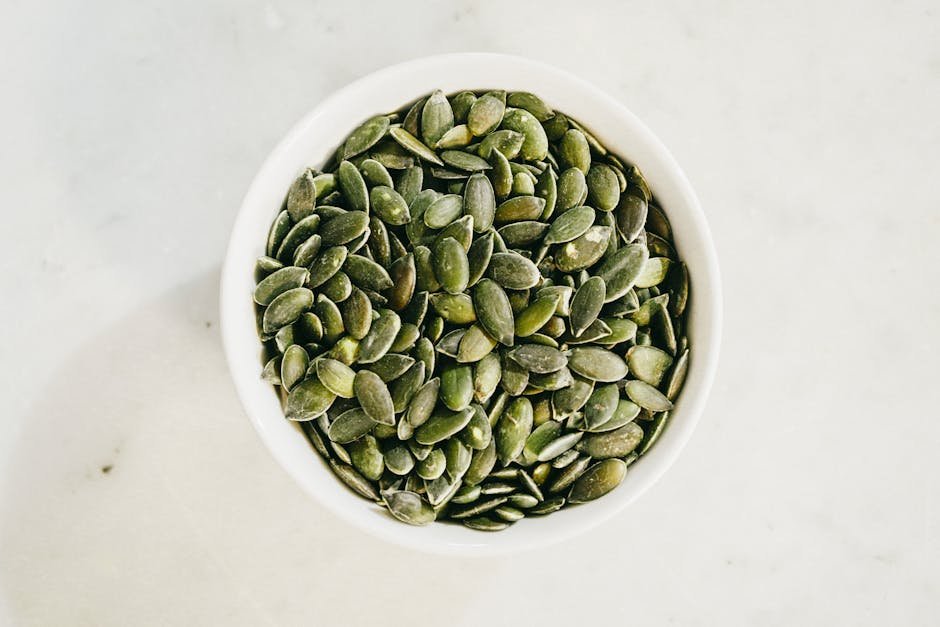
Nuts and seeds also play a significant role in increasing dietary fiber intake. Almonds, chia seeds, and flaxseeds can be easily incorporated into snacks or meals, providing not only fiber but also healthy fats and essential nutrients. Additionally, whole grains, surpassing their refined counterparts, offer abundant fiber, with options like quinoa, brown rice, and whole grain bread being particularly beneficial.
In summary, the inclusion of fiber-packed foods such as vegetables, fruits, legumes, nuts, seeds, and whole grains is fundamental when considering what is the Ozempic diet? This focus not only improves digestive health but also aids in achieving satiety, a crucial aspect of managing dietary needs while on medications like Ozempic.
Meal Planning and Preparation Tips
When considering the Ozempic diet, effective meal planning and preparation play a significant role in achieving desired health outcomes. This diet emphasizes foods that are rich in lean protein and fiber, which can aid in weight management and enhance overall wellness. Therefore, understanding how to structure your meals is essential.
Begin your meal planning by creating a grocery list that focuses on lean proteins and fiber-rich foods. Include sources such as eggs, chicken, turkey, fish, tofu, and lean cuts of pork and beef for protein. Additionally, incorporate fibrous vegetables, fruits, legumes, nuts, seeds, and whole grains. These food items are aligned with the principles of the Ozempic diet.
When grocery shopping, opt for whole foods as much as possible, avoiding processed and high-sugar products which may conflict with your dietary goals. Consider purchasing fresh produce that is in season, as this not only supports local agriculture but often provides the freshest options available. To streamline meal preparation, batch cooking can be a valuable strategy. This involves preparing meals in larger quantities, allowing you to save time during the week.
In terms of cooking methods, opt for healthier techniques such as grilling, steaming, or baking. These methods preserve nutrients and can help enhance the flavors of your dishes without the need for excessive fats. Additionally, experimenting with herbs and spices can elevate your meals without adding calories.
Finally, adhere to portion control to maintain balanced meals. Use smaller plates when serving, and fill half your plate with vegetables, ensuring a nutritious balance that aligns with the Ozempic diet’s objectives. By incorporating these meal planning and preparation tips, you can establish a sustainable and enjoyable eating routine that supports your health journey.
Potential Challenges on the Ozempic Diet
Adopting the Ozempic diet can be a transformative journey for many, but it is not without its challenges. One of the most prevalent obstacles individuals encounter revolves around cravings. When you are adjusting to dietary restrictions, the allure of high-calorie, high-sugar foods may intensify, making it difficult to adhere to a healthier regimen. Recognizing these cravings as a natural response can help individuals approach them more constructively. Strategies such as mindful eating, portion control, and having healthy snack alternatives readily available can significantly mitigate the impact of these cravings.
Another challenge arises from social situations. Gatherings, celebrations, or dining out can present unique difficulties when trying to stick to the Ozempic diet. Friends and family may not fully understand your dietary choices, and you may feel pressured to indulge in food options that do not align with your goals. To navigate these scenarios effectively, it is advisable to communicate your dietary preferences ahead of time and consider suggesting venues that offer healthier options. Additionally, planning ahead by eating a healthy snack before attending can help curb temptation.
Lastly, it is essential to cultivate a supportive environment. Seeking the encouragement of peers, family, or even online communities can provide motivation and accountability. Sharing experiences with others on the Ozempic diet can help reinforce commitment and provide valuable insights on overcoming common hurdles. Ultimately, awareness of these potential challenges equips individuals with the tools needed to stay focused on their health goals while benefiting from the positive effects of using a GLP-1 receptor agonist like Ozempic.
Success Stories: Real-Life Examples
The journeys of individuals who have embraced the Ozempic diet reveal a profound transformation not only in their physical health but also in their overall quality of life. Many have shared their successes after transitioning to a diet supported by the use of Ozempic, a GLP-1 receptor agonist that aids in weight management and glucose control.
One remarkable story is that of Michelle, a 42-year-old who struggled with obesity for years. After starting the Ozempic diet, she focused on incorporating lean protein sources like chicken and fish into her meals and pairing them with fiber-rich vegetables. With consistent use of Ozempic, Michelle was able to shed 30 pounds within six months. She emphasizes the importance of meal planning and engaging with a supportive community to maintain motivation.
Similarly, John, a 55-year-old, found renewed energy and vitality through this dietary shift. Initially, John faced significant challenges, such as cravings and the temptation to revert to unhealthy eating habits. However, by optimizing his diet to favor legumes, whole grains, and nuts, he experienced improvements not only in weight loss but also in his overall well-being. He successfully lost over 40 pounds and is now an advocate for sharing the benefits of adhering to the Ozempic diet.
These stories of transformation highlight that while the Ozempic diet plays a significant role in weight management, the attendees’ dedication to selecting the right foods—rich in lean protein and fiber—is crucial. Furthermore, connecting with others embarking on similar journeys provided added support, proving that community is an essential aspect of success.
As these examples illustrate, individuals can achieve impressive results by integrating the Ozempic diet into their lifestyle. The commitment to healthy eating habits can lead to significant positive changes in life, encouraging others to explore this path.
Conclusion and Final Thoughts
In conclusion, when considering what is the Ozempic diet, it is crucial to focus on the combination of essential dietary components that complement the usage of GLP-1 receptor agonists like Ozempic. The diet emphasizes foods that are not only nutritious but also conducive to weight management and overall health. Lean proteins and fiber-rich foods should take center stage in your meal planning.
Lean proteins can be sourced from various options, including eggs, chicken, turkey, fish, tofu, and lean cuts of pork and beef. These protein sources are essential for maintaining muscle mass while promoting satiety, which can help mitigate excess calorie intake. Fiber plays a vital role as well, with vegetables, fruits, legumes, nuts, seeds, and whole grains being key contributors. A diet rich in fiber can improve digestion, regulate blood sugar levels, and enhance feelings of fullness, making it easier to adhere to weight loss goals.
It is advisable for individuals exploring the Ozempic diet to consult with healthcare providers or dietitians to personalize dietary choices based on unique health needs and goals. Tailoring your dietary plan while adhering to the fundamental recommendations of the Ozempic diet can lead to more effective and sustainable health outcomes. Embracing these dietary practices not only reflects a commitment to better health but also serves as a strategic approach to optimize the benefits of Ozempic. Navigating the Ozempic diet with informed choices will ultimately support long-term well-being and vitality.