




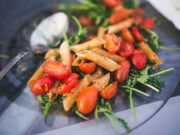





Introduction to the 3×3 Meal Plan
The 3×3 Meal Plan is a structured approach to healthy eating that simplifies meal preparation and encourages a balanced diet. This method focuses on selecting three different protein sources, three fat sources, and three carb sources, making it an effective strategy for individuals seeking to optimize their nutritional intake without feeling overwhelmed by choices.
One of the primary benefits of the 3×3 Meal Plan is its simplicity. By narrowing down options into three categories, individuals can easily select ingredients from each, creating balanced meals that meet their dietary needs. This not only aids in maintaining nutritional health but also reduces the cognitive load associated with meal planning. For those who often feel decision fatigue, this method helps streamline the cooking process, making it easier to adhere to healthy eating habits.
This meal planning technique encourages variety within a sound dietary framework. Although it may appear limiting at first glance, the 3×3 approach allows for endless creativity in the kitchen. By utilizing different spices and cooking methods, one can create a multitude of dishes while sticking to the established categories. From grilled chicken with roasted vegetables to salmon with a side of quinoa and avocado, the options are boundless.
The flexibility of the 3×3 Meal Plan makes it suitable for diverse dietary preferences, whether one is vegetarian, vegan, or omnivorous. This customized approach fosters adherence to a healthier lifestyle while ensuring that meals are both satisfying and enjoyable. As such, implementing the 3×3 method to meal planning can lead to long-term success in achieving and maintaining healthy eating habits.
Understanding the Components: Proteins, Fats, and Carbs
In the realm of nutrition, understanding the three primary macronutrients—proteins, fats, and carbohydrates—is essential for anyone looking to develop a balanced diet. Each macronutrient plays a unique role in maintaining bodily functions and promoting overall health.
Proteins are vital for the growth, repair, and maintenance of body tissues, including muscles, skin, and organs. They are composed of amino acids, some of which are deemed essential because the body cannot synthesize them. By incorporating sources like chicken, lentils, and tofu into meals, individuals can meet their protein needs while adhering to the 3×3 meal plan philosophy.
Fats, often maligned in diet culture, are crucial for energy production, nutrient absorption, and cell membrane structure. They also help maintain hormonal functions. Varieties of healthy fats can be found in foods such as avocados, nuts, and olive oil. Choosing three fat sources to include in your meals allows for variety while still keeping the focus on health.
Carbohydrates serve as the primary energy source for the body, particularly for the brain and muscles during physical activity. They can be classified into simple and complex carbohydrates, with vegetables and fruits being excellent choices due to their high nutrient content. By selecting three carbohydrate sources, such as quinoa, sweet potatoes, and leafy greens, one can ensure adequate energy levels while still following the streamlined approach of the 3×3 meal plan.
The rationale behind limiting selections to three options from each category is to simplify meal planning without sacrificing nutrition. This method encourages creativity in the kitchen, as individuals can experiment with various spices and cooking methods to create diverse meals. While this approach may initially seem restrictive, it opens the door to endless combinations, allowing for tailored meals that suit individual tastes and dietary preferences.
Choosing Your Protein Sources
When embarking on the journey of meal planning, particularly with the 3×3 meal plan, selecting quality protein sources plays a crucial role in maintaining a balanced diet. The idea is to choose 3 different protein sources that can contribute to your nutritional needs while adhering to the flexibility this method provides.
One of the most common and versatile options for protein includes lean meats such as chicken breast, turkey, and cuts of beef that are lower in fat. These sources not only provide essential amino acids for muscle repair and growth but also add variety to your meal options. For those looking to incorporate plant-based proteins, legumes such as lentils, chickpeas, and black beans serve as excellent alternatives. Tofu and tempeh can also be included, offering substantial protein while catering to vegan diets.
Another key category to consider is dairy-based proteins, which include options like Greek yogurt and cottage cheese. These products are rich in protein and can easily be added to meals or enjoyed as snacks, providing both sustenance and convenience. Each of these protein sources can easily be transformed into endless meal combinations, whether grilled, baked, or stir-fried, showcasing the range of cooking techniques available.
Although a 3×3 meal plan may seem restrictive at first glance, the choice of diverse protein sources allows for creativity in the kitchen. Incorporating a variety of spices and cooking methods further enhances the potential dishes you can create, ensuring that your meals remain exciting and flavorful. Therefore, as you try the 3-3-3 method, remember that within each protein category, there are numerous possibilities to explore. This encourages both nutritional balance and culinary experimentation.
Selecting Your Fats: Healthy Choices
In the context of the 3×3 Meal Plan, selecting the right fats is crucial, as they play an essential role in overall health and well-being. Incorporating healthy fats not only provides energy but also aids in nutrient absorption and supports cell function. When considering what is the 3×3 meal plan?, it is important to focus on choosing quality fat sources that can harmoniously complement the other food groups.
Among the various options, nuts are an excellent choice, as they are rich in healthy monounsaturated fats, fiber, and essential nutrients. Almonds, walnuts, and cashews can easily be included in meals or enjoyed as snacks, providing both taste and health benefits. Another viable fat source is avocados; they are packed with monounsaturated fats and can be used in salads, spreads, or smoothies, enhancing both flavor and nutritional profile.
Olive oil is another staple when it comes to healthy fats. Renowned for its heart-healthy properties, extra virgin olive oil is best utilized in dressings or for drizzling on cooked vegetables. Its antioxidant properties further contribute to a healthy diet. Fatty fish, such as salmon and mackerel, are also vital sources of omega-3 fatty acids, which have been linked to numerous health benefits, including reduced inflammation and improved heart health.
When assembling your 3×3 Meal Plan, aim to incorporate at least three different sources of healthy fats. This may seem limited, but with the introduction of various spices and cooking techniques, the combinations are virtually endless. Ultimately, carefully selected fats can enhance flavors while contributing positively to health, ultimately enabling a balanced and nourishing diet.
Carbohydrate Sources: The Foundation of Energy
Carbohydrates represent a vital component of a balanced diet, serving fundamentally as the body’s primary energy source. They fuel our daily activities, from physical exercise to mental tasks, and are essential for maintaining overall health. Focusing on whole foods, particularly whole grains, fruits, and vegetables, ensures the consumption of nutrient-dense carbohydrates that contribute to sustained energy levels and overall well-being.
When implementing a meal plan, particularly in the context of the 3×3 meal plan, it is crucial to choose carbohydrate sources that are not only filling but also rich in fiber and essential nutrients. Whole grains, for example, provide a wealth of vitamins, minerals, and antioxidants, while also promoting digestive health. Including options like quinoa, brown rice, and oats can enhance the fiber intake, which is instrumental in regulating blood sugar levels and providing lasting energy.
In addition to whole grains, fruits and vegetables are invaluable for their carbohydrate content. They are rich in vitamins, minerals, and antioxidants, serving other essential functions beyond simply being a carbohydrate source. For instance, leafy greens, berries, and sweet potatoes can all be highlighted in the 3×3 meal plan as efficient carbohydrate sources. They are low in calories yet high in fiber, making them excellent choices to help achieve a feeling of fullness while meeting daily energy requirements.
To summarize, encompassing a variety of carbohydrate sources within the 3×3 meal plan is not only achievable but beneficial. Each meal can be easily tailored with numerous combinations of whole grains, fruits, and vegetables, ultimately supporting a healthy diet. Emphasizing whole foods will ensure that nutrients are maximized while delighting in a myriad of flavors through various cooking techniques and spices, ultimately enriching mealtime experiences.
The 3-3-3 Method Explained
The 3-3-3 method is an innovative approach to meal planning that emphasizes a structured, yet adaptable way to approach healthy eating. At its core, the method requires participants to ‘choose 3 different protein sources, 3 fat sources, and 3 carb sources.’ This simplicity aids in meal creation while ensuring balanced nutrition.
To effectively implement the 3×3 meal plan, begin by selecting your three proteins. This could include chicken, beans, and salmon, providing a good foundation of amino acids essential for muscle repair and growth. Next, identify three different fat sources such as avocados, nuts, and olive oil. These healthy fats are crucial for hormone production and nutrient absorption. Finally, choose three carbohydrate sources; vegetables like spinach and broccoli, along with fruits such as apples or berries, are excellent choices. All veggies and fruit count as one each, allowing for greater ease in variety.
This method may appear to offer limited variety at first glance, but it actually opens doors to a plethora of culinary possibilities. With an array of spices and cooking techniques, you can create thousands of combinations, resulting in meals that are both nutritionally balanced and flavorful. For instance, a meal could consist of grilled chicken (protein), sautéed spinach with olive oil (fat and carb), and a side of roasted sweet potatoes (carb). By mixing and matching your selected ingredients, you can stay within the 3×3 framework while continually discovering new taste experiences.
The adaptability of this plan allows individuals to cater meals to their specific tastes and dietary preferences, making it a versatile option that encourages creativity within a healthy eating paradigm. As you become accustomed to what is the 3×3 meal plan?, you will find it increasingly easier to maintain a balance between health and enjoyment in your meals.
Spices and Cooking Techniques: Endless Variety
The 3×3 meal plan, which emphasizes simplicity and flexibility, can seem limited at first glance with its focus on three protein sources, three fat sources, and three carbohydrate sources. However, one of the easiest ways to enhance the meals created through this method is by utilizing an array of spices and diverse cooking techniques. By experimenting with various spices and methods, one can elevate basic ingredients into exciting and flavorful dishes.
When considering spices, think globally. For instance, Mediterranean herbs such as oregano, rosemary, and thyme can add depth to grilled chicken or roasted vegetables. Alternatively, spices such as cumin, coriander, and turmeric can infuse your meals with rich, complex flavors characteristic of Middle Eastern or Indian cuisines. A simple sauté of bell peppers can be transformed with just a sprinkle of chili powder or paprika, offering a different taste experience each time.
In addition to spices, the method of cooking can alter the flavor profile significantly. Grilling meats promotes a smoky flavor that enhances the overall taste, while roasting vegetables can bring out their natural sweetness as they caramelize. Sautéing, on the other hand, allows for quick cooking while maintaining the integrity of the ingredients. This versatility helps in creating diverse dishes from a limited selection of ingredients, ensuring that the 3×3 meal plan remains enjoyable and far from monotonous.
It’s also essential to consider combining different techniques, for example, marinating proteins overnight before grilling, or adding a finishing touch of fresh herbs before serving. This kind of creativity is what makes the 3×3 method an effective and enjoyable approach to healthy eating. With countless combinations available through the strategic use of spices and cooking techniques, meals can be both nourishing and delightful.
Meal Prep Made Easy
Meal prepping can be a daunting task, but utilizing the 3×3 meal plan can simplify the process significantly. The 3×3 meal plan encourages individuals to choose three different protein sources, three fat sources, and three carbohydrate sources, which can effectively streamline the meal prep experience. To ensure efficiency, consider batch cooking ingredients at the beginning of your week.
Start by selecting your protein sources such as chicken, tofu, and eggs. Cook these proteins in batches and store them in portioned containers. Next, prepare your fat sources, which could include items like avocados, nuts, and olive oil. Choose your carbohydrates; options like brown rice, quinoa, and sweet potatoes are excellent choices. Batch cooking these ingredients allows you to create a variety of meals. For instance, mix chicken with quinoa and add a dollop of guacamole for a quick lunch option.
Storing your prepped ingredients in clear, labeled containers can save time during the week. Invest in high-quality, airtight containers to keep your food fresh and accessible. You can also pre-chop vegetables and wash fruits to encourage healthy snacking. By having everything organized, you will find it easier to grab a healthy meal or snack on the go.
One effective time-saving technique is to prepare multiple meals at once using versatile cooking techniques. For example, roasting a batch of mixed vegetables can pair well with any protein. This approach not only saves time but also enhances flavor combinations and encourages flexibility in meals. Remember that spices and herbs can provide endless options, transforming simple ingredients into tantalizing dishes.
By taking a proactive approach to meal prep with the 3×3 meal plan, you can significantly reduce the stress associated with eating healthy and enjoy nutritious meals tailored to your preferences.
Conclusion: Embrace Simplicity in Your Diet
Incorporating the 3×3 meal plan into your dietary routine can significantly impact your health and well-being. This straightforward approach encourages individuals to focus on a selected trio of protein sources, fat sources, and carbohydrate sources. By narrowing down your choices, you can streamline your meal preparation and ensure that you consistently consume nutrient-dense foods.
Moreover, while it may seem that fewer options equate to a less varied diet, the 3×3 meal plan contrasts this notion. With an abundance of spices and cooking techniques at your disposal, there are virtually limitless possibilities for meal combinations. You can create diverse meals that sustain interest without overwhelming complexity. Hence, the plan encourages culinary creativity and experimentation.
Adopting structured guidance such as the 3×3 meal plan may make meal times less daunting and more intuitive. As you try the 3-3-3 method, you will find it increasingly easier to prepare balanced meals that align with your dietary goals. This process not only promotes better food choices but also potentially reduces food waste, as planning simplifies shopping lists.
Ultimately, embracing simplicity in your diet could lead to numerous long-term benefits, including improved nutritional intake and a more enjoyable approach to eating. By committing to the 3×3 meal plan, you are taking a significant step toward fostering a balanced and health-conscious lifestyle, paving the way for an enhanced relationship with food.