









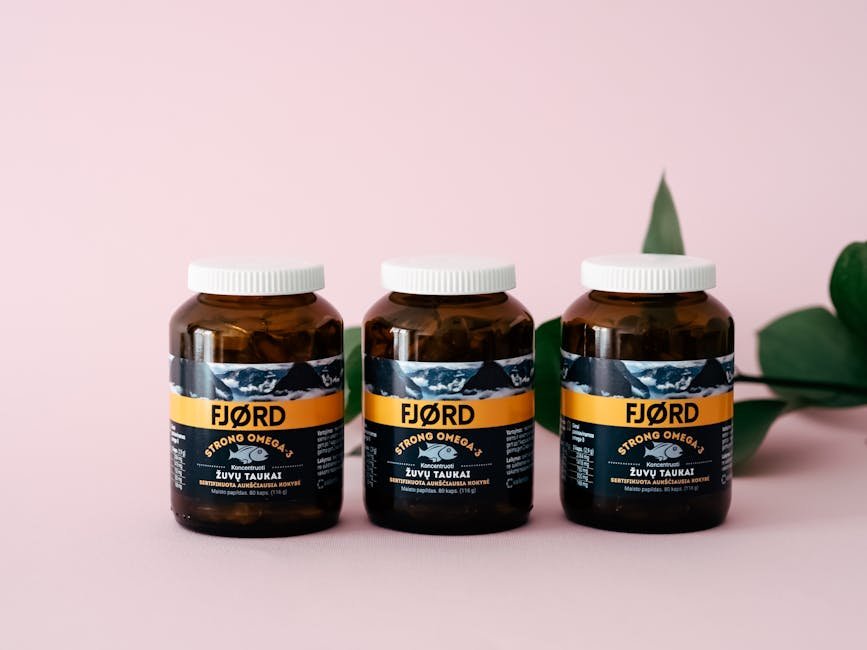
Introduction to Omega-3 Fatty Acids
Omega-3 fatty acids are essential fats that the human body cannot produce on its own, making it necessary to obtain them through diet or supplements. These fatty acids play a critical role in overall health, contributing to heart health, brain function, and inflammatory response regulation. The three most significant types of omega-3 fatty acids include alpha-linolenic acid (ALA), found in plant oils and seeds, and eicosapentaenoic acid (EPA) and docosahexaenoic acid (DHA), primarily sourced from fish.
Individuals often consider supplementing their diet with omega-3s due to the numerous health benefits they offer. Research has indicated that omega-3s can help reduce the risk of cardiovascular diseases, improve cognitive function, and even alleviate symptoms of depression and anxiety. Their anti-inflammatory properties also make them beneficial for individuals suffering from conditions like arthritis.
However, while omega-3 fatty acids can provide significant health advantages, certain groups of individuals should exercise caution when considering their intake. Those who cannot take omega-3 include pregnant or nursing individuals, as well as those with specific medical conditions or dietary restrictions. For example, if you take medicine that affects blood clotting, it is essential to consult your healthcare provider before adding omega-3 supplements to your routine.
Furthermore, individuals who are allergic to fish or shellfish should avoid fish oil supplements and seek alternative sources of omega-3s. Additionally, when contemplating the supplementation of children with omega-3 fatty acids, it is especially important to consult your (or your child’s) healthcare provider to ensure safety and appropriateness.
Pregnancy and Omega-3 Intake
Omega-3 fatty acids are essential nutrients that play a significant role in various bodily functions, including brain development. For pregnant individuals, omega-3 consumption is particularly important as it is linked to the healthy development of the fetus’s brain and eyes. However, there are specific considerations to keep in mind when determining whether to take omega-3 supplements during pregnancy.
First and foremost, it is crucial for those who are pregnant or nursing a child to consult their healthcare provider regarding omega-3 supplementation. The doctor can provide personalized recommendations based on individual health profiles and dietary needs. While omega-3s can offer numerous benefits, such as reducing the risk of preterm birth and promoting fetal development, there are also potential risks associated with certain sources of omega-3s, particularly those derived from fish.
Fish can be contaminated with harmful substances, such as mercury and polychlorinated biphenyls (PCBs), which are detrimental to both maternal and fetal health. Consequently, pregnant individuals should be cautious about the types of fish they consume and avoid those known to contain high levels of mercury. Common sources of omega-3s include fatty fish like salmon, mackerel, and sardines, which can be beneficial when chosen carefully.
Moreover, if you are considering giving a child an omega-3 supplement, it is essential to engage with a healthcare provider to ensure the supplement is appropriate for their age and development. In summary, omega-3 intake during pregnancy and nursing holds great promise but requires careful consideration of sources and dosages. Always prioritize discussions with healthcare professionals to ensure safety and health for both mother and child.
Omega-3 fatty acids are widely recognized for their numerous health benefits, including their ability to support heart health and reduce inflammation. However, individuals who are currently on blood-thinning medications must exercise caution when considering the incorporation of omega-3 supplements into their dietary regimen. While omega-3s can be beneficial, they can also interact with certain medications that affect blood clotting, leading to an increased risk of bleeding complications.
The mechanism by which omega-3s influence blood clotting revolves around their effect on platelets and the clotting process. Omega-3 fatty acids, particularly EPA and DHA, can inhibit platelet aggregation, which is a crucial part of the body’s natural clotting system. For individuals taking anticoagulants or antiplatelet drugs, such as warfarin or aspirin, this interaction may enhance the anticoagulant effects of these medications, potentially resulting in excessive bleeding or bruising.
As such, it is essential for anyone who cannot take omega-3, particularly those who are pregnant or nursing a child, those taking blood-thinning medications, or individuals with allergies to fish or shellfish, to consult their healthcare provider before starting omega-3 supplements. This precaution is critical to ensure that the benefits of omega-3 fatty acids do not come at the risk of harming one’s health. Furthermore, for parents considering giving a child an omega-3 supplement, professional guidance is especially important in evaluating the appropriateness and safety of such supplements in relation to any existing medications.
In conclusion, while omega-3 fatty acids can provide significant health benefits, individuals on blood thinning medications must take care to consult healthcare professionals to avoid potential adverse outcomes related to increased bleeding risks.
Allergies to Fish and Shellfish
Individuals who are allergic to fish or shellfish must exercise caution regarding omega-3 supplements, particularly those derived from marine sources such as fish oil. Fish allergies are among the most common food allergies and can lead to serious allergic reactions, including anaphylaxis in some individuals. For these individuals, exposure to any fish-derived product may trigger significant adverse effects.
Omega-3 fatty acids are crucial for various bodily functions and are primarily found in fatty fish such as salmon, mackerel, and sardines. As a result, many omega-3 supplements are sourced from these fish. However, for those with sensitivities, it is imperative to avoid these products. In such cases, individuals should seek alternative sources of omega-3s that do not pose an allergy risk. Options include plant-based sources such as flaxseed oil, chia seeds, and walnuts, which provide alpha-linolenic acid (ALA), a type of omega-3 fatty acid.
It is also essential for individuals with fish or shellfish allergies to read supplement labels carefully. Many omega-3 supplements may contain traces of fish products, which could lead to unintended exposure. For those who are pregnant or nursing a child, the consultation with a healthcare provider becomes even more critical before introducing any supplement into the diet. They can assist in identifying safe and effective omega-3 alternatives and any potential interactions with medications affecting blood clotting.
Particularly in the case of children, the same caution applies. If you are considering giving a child an omega-3 supplement and there are known allergies, consulting your child’s health care provider is highly recommended to ensure safety and appropriateness of the chosen supplement.
Omega-3 Supplements for Children
Omega-3 fatty acids are vital for healthy development, particularly in children, as they play a crucial role in brain function, growth, and overall well-being. However, the decision to give omega-3 supplements to children must be approached with caution. One critical consideration is consulting your child’s health care provider, especially if you are considering giving a child an omega-3 supplement. This is important because not all children may safely take these supplements.
When assessing whether omega-3 supplementation is appropriate for your child, several factors come into play. For instance, if your child has allergies to fish or shellfish, which are common sources of omega-3, administration of these supplements could provoke allergic reactions. Furthermore, if your child is taking medications that affect blood clotting, it is paramount to consult the healthcare provider, as omega-3 fatty acids can interact with these medications, potentially leading to increased risks of bleeding.
Safety concerns also involve proper dosages. While omega-3 can be beneficial, excessive intake may lead to adverse effects. Dosages for children often vary, and recent guidelines recommend lower doses tailored to a child’s age and weight. Therefore, working closely with a medical professional to establish the right dosage for children is essential to mitigate any risks associated with supplementation.
In essence, while omega-3 fatty acids present potential benefits for children, it is critical to ensure their safe intake. If you are pregnant or nursing a child, or if you are making decisions regarding your child’s omega-3 supplementation, engaging in dialogue with a healthcare provider is highly recommended to safeguard your child’s health and well-being.
Health Conditions That May Affect Omega-3 Suitability
Omega-3 fatty acids offer numerous health benefits, but certain health conditions may make omega-3 supplementation unsuitable or require caution. Individuals with bleeding disorders, for example, should be aware that omega-3 fatty acids can have a blood-thinning effect. Those taking anticoagulant medications are advised to consult their healthcare provider before incorporating omega-3 into their diet, as it may exacerbate their condition.
Moreover, people with specific metabolic disorders, such as fatty acid oxidation disorders, might also face complications when taking omega-3 supplements. Individuals with these conditions struggle to metabolize fats efficiently, which can lead to increased health risks when introducing new sources of fatty acids. It is critical for anyone in this category to engage in a thorough discussion with a dietitian or physician regarding their dietary choices and supplementary intake.
In addition to these conditions, certain populations, such as pregnant or nursing women, must exercise caution. While omega-3 fatty acids are vital for fetal development and overall health, it’s crucial that they consult their healthcare provider about safe dosages and suitable sources of omega-3. Similarly, if you are allergic to fish or shellfish, you should seek alternatives to standard omega-3 supplements sourced from these food groups.
If you are considering giving a child an omega-3 supplement, it is especially important to consult your (or your child’s) health care provider. Professional advice is key in ensuring that supplementation will not interfere with any underlying conditions or medications that the child may be taking.
Interactions with Other Nutritional Supplements
When considering the addition of omega-3 supplements to your dietary routine, it is crucial to understand how they may interact with other nutritional supplements and vitamins. Omega-3 fatty acids, commonly found in fish oil and certain plant oils, are known for their health benefits, including heart and brain health. However, their interaction with other supplements can potentially lead to adverse effects.
One of the primary concerns when taking omega-3 supplements is their ability to influence blood clotting. Individuals who are taking other supplements that also affect blood thinning, such as vitamin E or herbal products like garlic or ginkgo biloba, should approach omega-3 supplementation with caution. The combined effect of these supplements could amplify the risk of bleeding, making it especially important for individuals on anticoagulant medications to consult a healthcare provider.
Moreover, those who take medication that affects blood clotting should also be mindful of their omega-3 intake. If you are pregnant or nursing a child, or if you are considering giving a child an omega-3 supplement, it is especially important to consult your (or your child’s) health care provider. They can provide personalized guidance based on your individual health circumstances and existing medication regimen.
Additionally, some individuals may take supplements containing omega-6 fatty acids, which can compete with omega-3s for metabolism in the body. Balancing these fatty acids is essential for achieving optimal health outcomes. Therefore, reviewing your overall supplement routine with a healthcare provider can help ensure that you are not only maximizing the benefits of omega-3 but also avoiding negative interactions with other dietary supplements.
Consulting Healthcare Providers: Why It’s Essential
Before considering omega-3 supplementation, consulting a healthcare provider is crucial for several reasons. Individual health circumstances and dietary needs vary significantly from person to person, making personalized guidance imperative. For instance, those who are pregnant or nursing a child need to be acutely aware of what they consume, and healthcare providers can offer invaluable insights tailored to their specific situation.
Moreover, if you take medicine that affects blood clotting, the integration of omega-3 in your diet could potentially lead to complications. Healthcare professionals can assess such interactions and provide recommendations on whether omega-3 supplements are appropriate for you. It is important to note that the effects of omega-3, particularly from fish oil sources, could exacerbate bleeding risks when combined with certain anticoagulants.
Allergies also play a significant role in determining if omega-3 supplementation is safe. Individuals who are allergic to fish or shellfish must exercise caution, as many omega-3 supplements are derived from these sources. Consulting with a healthcare provider ensures that alternatives are explored that do not pose an allergic risk. Additionally, for parents considering giving a child an omega-3 supplement, it is especially important to consult your (or your child’s) health care provider to ascertain the suitability and dosage, ensuring the safety and well-being of the child.
Ultimately, the tailored advice from healthcare professionals can help mitigate risks and guide individuals towards achieving their health goals safely and effectively. Therefore, engaging in a dialogue with a healthcare provider prior to starting omega-3 supplementation is not just advisable, but essential for optimal health outcomes.
Conclusion: Making Informed Decisions About Omega-3
Understanding who cannot take omega-3 is crucial for ensuring the safety and well-being of individuals considering these supplements. There are specific populations that should exercise caution or avoid omega-3 supplementation altogether. For instance, if you are pregnant or nursing a child, it is essential to seek professional guidance regarding omega-3 intake. This is because the nutritional needs during this period are unique and warrant careful consideration.
Additionally, those who take medication that affects blood clotting, such as anticoagulants, must discuss the implications of omega-3 consumption with their healthcare provider. Omega-3 fatty acids can influence blood viscosity, which may exacerbate conditions requiring careful management of blood coagulation.
Another group at risk includes individuals with certain allergies, specifically those allergic to fish or shellfish. Many omega-3 supplements are derived from these sources, and consuming them can lead to severe allergic reactions in sensitive individuals. Therefore, it is prudent for anyone with these allergies to consult medical professionals before taking omega-3 supplements or to seek plant-based alternatives.
Furthermore, if you are considering giving a child an omega-3 supplement, consultation with a child’s healthcare provider is crucial. Children have unique nutritional requirements, and ensuring that supplementation is appropriate for their age and health status is imperative. In all these cases, making informed decisions about omega-3 supplementation involves personal health considerations and professional advice. By engaging in thoughtful discussions with healthcare providers, individuals can better navigate dietary options and enhance their health effectively.