









The 10,000 Steps Myth
Walking has long been touted as a simple and effective means to enhance overall health and fitness. A commonly accepted target for daily activity is the completion of 10,000 steps, which many believe can lead to significant weight loss. However, this notion can be misleading. While walking 10,000 steps is indeed beneficial for maintaining cardiovascular health, improving mobility, and fostering mental well-being, it does not automatically translate to weight loss.
The primary reason behind this misconception is that weight loss fundamentally hinges on creating a calorie deficit, meaning that an individual must burn more calories than they consume. Engaging in daily walking is a positive step toward achieving this goal, yet it is often not sufficient on its own to induce weight loss. Factors such as diet, overall caloric intake, and even the quality of sleep can significantly influence progress.
For many, hidden calories from snacks or larger portion sizes may negate the calories burned during their walk. Furthermore, the omission of strength training can limit the ability to build muscle, which is crucial since muscle mass burns more calories at rest. Other factors such as high stress levels, poor sleep quality, dehydration, and specific medications can further complicate weight loss efforts, leading individuals to question, “why am I not losing weight walking 10,000 steps a day?” It is essential to understand that while walking is a commendable form of exercise, it must be part of a holistic approach to weight management.
To break through a weight loss plateau, individuals should consider tracking their calorie intake, incorporating strength training exercises, managing stress effectively, ensuring adequate sleep, and staying hydrated. These lifestyle modifications, when combined with regular walking, can significantly enhance the potential for weight loss success.
Understanding Caloric Deficit
The concept of a caloric deficit is fundamental in the context of weight loss. A caloric deficit occurs when the number of calories expended exceeds the number of calories consumed. This principle is vital for anyone asking, why am I not losing weight walking 10,000 steps a day? While walking 10,000 steps is great for health and promotes cardiovascular fitness, achieving weight loss necessitates more than just an active lifestyle; it requires careful management of calorie intake and expenditure.
When you engage in an activity like walking, you burn additional calories, which can contribute to a caloric deficit. However, this must be balanced with your daily caloric intake. If someone walks 10,000 steps but unknowingly consumes extra calories—whether through hidden calories, larger portion sizes, or high-calorie snacks—the balance may tip away from a deficit. In this scenario, individuals may not see the expected weight loss results.
Moreover, other factors beyond daily activity can impact weight loss. For instance, lack of strength training can hinder progress; muscle tissue burns more calories at rest than fat tissue. Additionally, elements like poor sleep quality, elevated stress levels (which can increase cortisol—a hormone that may contribute to fat retention), hydration, and certain medications can all impede weight loss, leading to confusion for those who are diligently walking.
To effectively break through a weight loss plateau, one should track their caloric intake accurately, consider integrating strength training to elevate metabolic rates, manage stress through mindfulness or relaxation techniques, prioritize quality sleep for optimal recovery, and ensure adequate hydration. By addressing these factors in conjunction with consistent walking, individuals can create a sustainable pathway towards effective weight management.
Hidden Calories in Your Diet
When considering how to address the question, why am I not losing weight walking 10,000 steps a day?, one critical area to evaluate is your dietary habits. It’s essential to recognize that while walking 10,000 steps is great for health, weight loss necessitates a consistent calorie deficit—where you burn more calories than you consume. Often, people overlook hidden calories that can significantly hinder their weight loss efforts.
Some common culprits include sugary drinks, snacks, and high-calorie condiments, which can add up quickly without you realizing it. For example, a regular soda can contain around 150 calories, and specialty coffees might exceed 400 calories, depending on the size and ingredients. Additionally, seemingly harmless snacks—like granola bars, trail mixes, or even certain fruits—can be deceptively high in calories. Even healthy dressings and dips can contribute excess calories, making it crucial to monitor portion sizes and ingredient labels.
Tracking your food intake can be a valuable approach to identifying these hidden calories. Many individuals may not perceive how their eating and drinking habits contribute to their daily caloric intake. By using tools such as food diaries or smartphone applications, you can gain insights into the total number of calories you consume and adjust accordingly. Ensuring that you keep a detailed record will empower you to make informed decisions, promoting a better balance between your energy expenditure from walking 10,000 steps and your caloric intake.
Ultimately, being aware of hidden calories is fundamental in addressing the issue of weight loss. Small changes, such as opting for water instead of sugary beverages, or using smaller portions of condiments, can lead to a more significant impact on your overall caloric balance. Prioritizing these adjustments, alongside your walking routine, can help break through weight loss plateaus.
The Role of Portion Sizes
When considering the question of “why am I not losing weight walking 10,000 steps a day?”, one significant factor that often goes unnoticed is portion sizes. Even while engaging in physical activities such as walking 10,000 steps, individuals may find it challenging to achieve weight loss if they do not manage their portion sizes effectively.
Many people believe that they can consume larger quantities of food due to their increased activity levels, but this can lead to unintended weight gain over time. Healthy foods, such as nuts and whole grains, although nutritious, can also be calorie-dense. Consuming these foods in excess can easily result in a calorie surplus, counteracting the benefits of walking. Therefore, even while walking 10,000 steps is great for health, it is crucial to pay attention to how much food is consumed.
Additionally, hidden calories often present in beverages, dressings, and snacks can easily add to daily caloric intake without being noticed. Mindful eating practices can help mitigate this issue by encouraging individuals to pay closer attention to hunger cues and to eat with intention. Keeping track of food portions not only supports the management of caloric intake but also assists in understanding where calories are coming from, allowing for more informed choices.
Moreover, portion control is not solely about restricting food—it’s about understanding balance. A healthy diet should be varied and satisfying, including appropriate amounts of macronutrients. By honing in on portion sizes and practicing moderation, individuals can create a sustainable eating pattern that complements their activity level and supports their weight loss journey.
The Importance of Strength Training
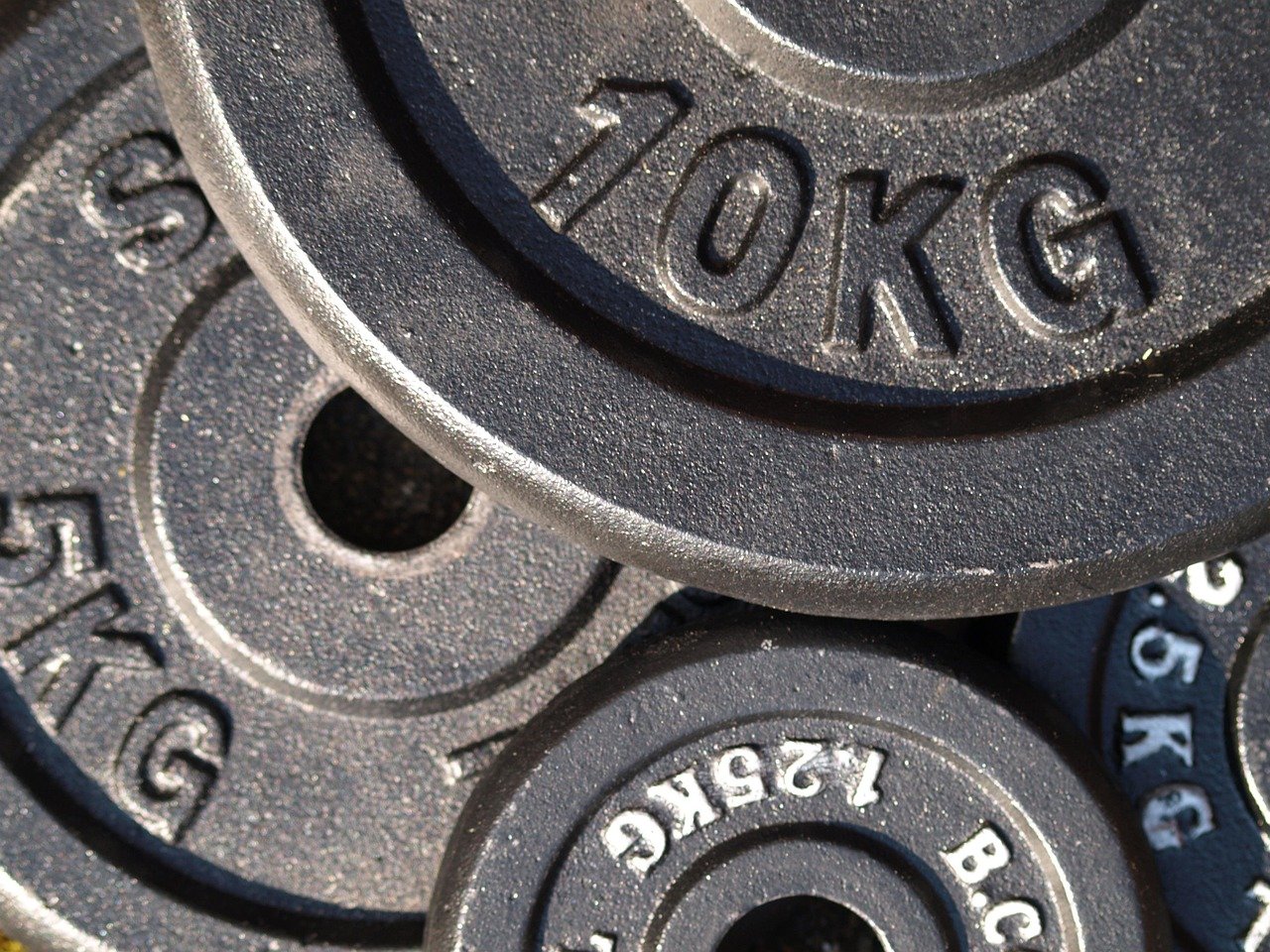
In the pursuit of weight loss, many individuals rely on daily physical activities such as walking 10,000 steps a day. While this is commendable and contributes positively to overall health, it often does not suffice for significant weight loss. This is primarily because effective weight loss requires a consistent calorie deficit—burning more calories than one consumes. Herein lies the vital importance of incorporating strength training into a fitness regime.
Strength training, also referred to as resistance training, plays a crucial role in enhancing muscle mass. Muscle tissue is metabolically active, meaning that it requires energy to maintain itself. Therefore, the more muscle mass one possesses, the higher the basal metabolic rate becomes. This results in more calories being burned even at rest, which can significantly support weight loss efforts. Thus, individuals who engage in strength training often find that they can consume more calories while still maintaining or losing weight.
Additionally, resistance exercises improve overall body composition by increasing muscle definition and reducing fat. When combined with regular walking, individuals are likely to experience enhanced body shape and a better metabolism. More importantly, incorporating strength training into a daily routine helps counteract potential metabolic slowdowns that can occur with prolonged weight loss efforts. This is especially essential for those who may have hit a plateau, asking themselves, “Why am I not losing weight walking 10,000 steps a day?” Strength training equips the body to break through such stalls effectively.
Furthermore, implementing strength training can have ancillary benefits beyond merely aiding in weight loss. It has been shown to improve bone density, enhance mental well-being, increase endurance, and boost functional performance in daily tasks. Therefore, to maximize the effectiveness of a walking routine and ensure successful weight loss, it is imperative to integrate strength training. This comprehensive approach will promote overall health while unlocking the true potential for weight management.
The Impact of Sleep on Weight Loss
Sleep is a crucial, yet often overlooked, factor in the weight loss journey. While it is widely accepted that walking 10,000 steps is great for health, the efficacy of this physical activity in promoting weight loss becomes questionable if sleep quality is inadequate. Hormonal regulation plays a significant role in appetite control and metabolism, which are directly influenced by sleep patterns.
Poor sleep increases the levels of hormones like ghrelin, which stimulates appetite, while decreasing the production of leptin, the hormone responsible for signaling satiety. Consequently, the imbalance of these hormones may lead individuals to consume more calories, thus undermining their efforts to maintain a calorie deficit essential for weight loss. This explains why, despite engaging in regular walking, individuals might encounter challenges in achieving their weight loss goals.
Moreover, insufficient sleep can impact metabolism by affecting insulin sensitivity. Lack of sleep may also lead to higher levels of cortisol—often referred to as the stress hormone—which can promote fat storage and cravings for high-calorie foods. Therefore, understanding the connection between sleep quality and these physiological processes is vital for anyone asking, “why am I not losing weight walking 10,000 steps a day?”
To forge a path toward successful weight loss, it is imperative to prioritize sleep alongside physical activity. Strategies to improve sleep quality include establishing a consistent sleep schedule, creating a restful sleeping environment, and incorporating relaxation techniques before bedtime. By addressing sleep habits, individuals can enhance not only their ability to lose weight but also their overall well-being.
Stress and Cortisol: The Weight Loss Saboteurs
High stress levels can significantly impact weight management, making it more challenging for individuals to lose weight, even when engaging in regular physical activity such as walking 10,000 steps a day. When the body perceives stress, it triggers the release of the hormone cortisol, which is often referred to as the “stress hormone.” Elevated cortisol levels can contribute to fat storage, particularly around the abdominal area, making it a key factor to consider when questioning why am I not losing weight walking 10,000 steps a day?
The relationship between stress and weight gain is well-documented. Cortisol not only promotes the storage of fat but also increases appetite, often leading to the consumption of high-calorie, nutrient-poor foods. This combination can create a cycle that hampers weight loss efforts and complicates efforts to maintain a consistent calorie deficit, which is essential for shedding pounds. Therefore, addressing stress levels is crucial for achieving weight loss goals.
To effectively manage stress and mitigate its impact on weight loss, consider incorporating several strategies. Practicing mindfulness and meditation can help calm the mind, leading to reduced cortisol production. Furthermore, engaging in regular physical activities such as yoga or tai chi may promote relaxation while providing additional health benefits.
Additionally, fostering social connections and maintaining a support network can serve as a powerful buffer against stress. Participants in group activities or those who communicate openly about their challenges may find stress easier to manage. Beyond psychological approaches, ensuring adequate sleep and maintaining proper hydration levels can also contribute to lower stress levels and improved hormonal balance.
Ultimately, tackling stress not only supports overall well-being but could also break through the plateau many face when inquiring “why am I not losing weight walking 10,000 steps a day?” By prioritizing stress management, individuals can enhance their chances for successful weight loss and well-being.
The Importance of Hydration
Proper hydration plays a crucial role in supporting weight loss and overall health. Water is essential for various bodily functions, and its importance cannot be overstated when considering factors such as metabolism and appetite regulation. Understanding how hydration impacts these areas can help address the question, why am I not losing weight walking 10,000 steps a day?
Firstly, water is pivotal for metabolism. It aids in the breakdown of nutrients from food, allowing the body to convert them into energy efficiently. A well-hydrated body can perform metabolic processes optimally, which is essential for reaching a calorie deficit. When the body is dehydrated, metabolism can slow down, making it more challenging to burn calories, even if you are actively walking 10,000 steps a day.
Secondly, hydration plays a significant role in appetite regulation. Sometimes, the body confuses thirst with hunger, leading to increased food intake when the body actually requires water. Ensuring adequate hydration can help prevent unnecessary snacking and reduce portion sizes at meals. By drinking water before meals, it is often easier to manage portion control and decrease total calorie consumption, which is vital for weight loss.
To ensure proper hydration throughout the day, consider the following tips: carry a reusable water bottle to track your intake, set reminders to drink water, and incorporate water-rich foods into your diet such as fruits and vegetables. Aim for at least eight 8-ounce glasses of water daily, but this may vary based on individual needs and activity levels.
In conclusion, adequate hydration significantly impacts weight loss efforts, especially when walking 10,000 steps is part of an overall healthy lifestyle. By prioritizing hydration, individuals can enhance their metabolic efficiency, control appetite, and ultimately support their weight loss journey.
Taking Action: Steps to Break the Plateau
While walking 10,000 steps is a commendable effort that contributes positively to overall health, it may not directly result in weight loss for everyone. If you find yourself asking, “why am I not losing weight walking 10,000 steps a day?”, it’s important to consider a multifaceted approach to enhance your results.
First, tracking your daily caloric intake can provide insight into your eating habits. Hidden calories and larger portion sizes may hinder your weight loss. Utilizing a food diary or a mobile app can help you account for everything you consume, allowing you to identify areas for improvement.
Incorporating strength training into your routine is another effective step. Building muscle increases your resting metabolic rate, meaning you burn more calories even when at rest. Aim for at least two days a week of weight training to supplement your walking regimen.
Stress management is crucial as elevated cortisol levels can lead to weight retention despite your active lifestyle. Implementing relaxation techniques such as yoga, meditation, or deep-breathing exercises can be beneficial in managing stress and promoting overall well-being.
Sleep quality plays a significant role in weight regulation as well. Prioritizing sufficient sleep—ideally seven to nine hours per night—can enhance metabolic function and hormonal balance, supporting your weight loss efforts.
Additionally, hydration is an often-overlooked factor in weight loss. Drinking adequate water can help you feel full and reduce unnecessary snacking. Remember that certain medications might also contribute to weight retention, so consulting with a healthcare professional can provide clarity.
By implementing these strategies, such as tracking your intake, adding strength training, managing stress, and prioritizing sleep, you can break through the plateau and continue on your path to achieving your weight loss goals.